Halloween Decor Ideas: Mood Without the Party Store Look

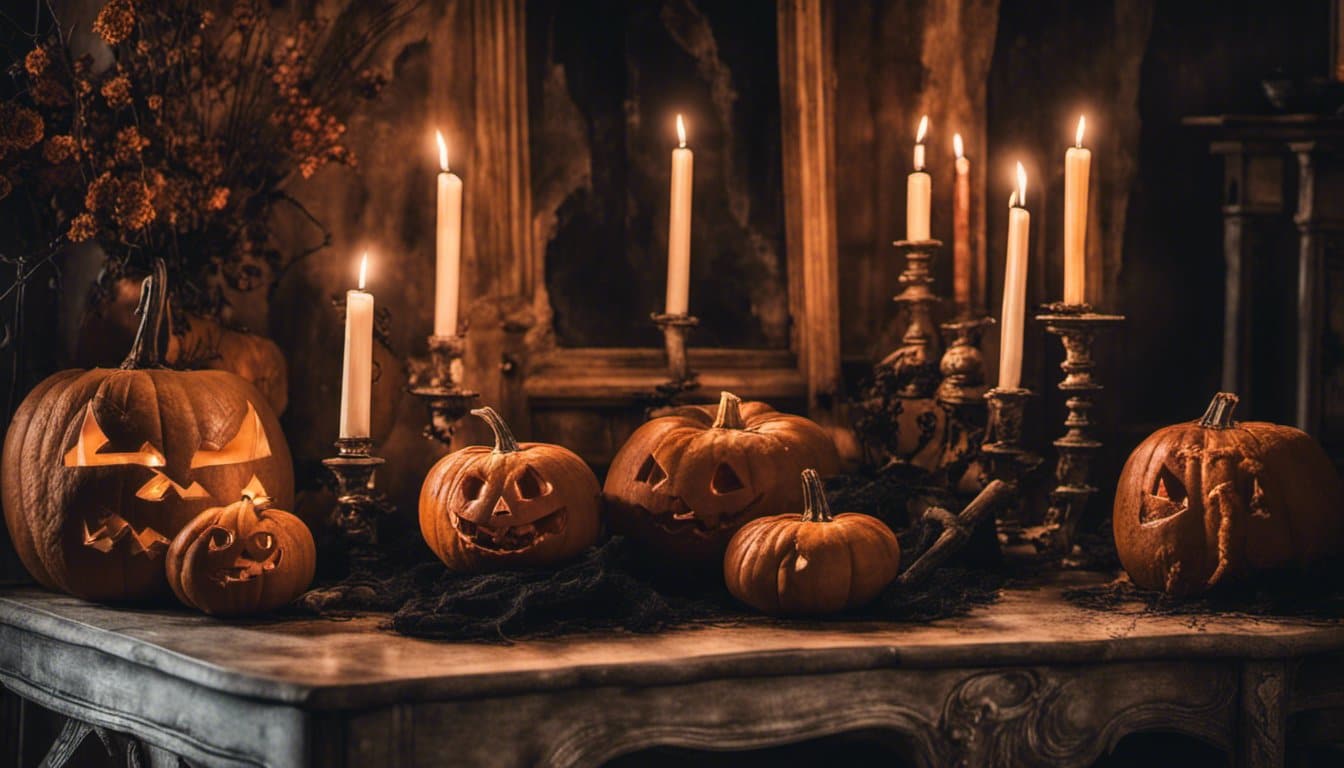
Every year I start thinking about Halloween decor around mid-September, when the first orange and burgundy leaves show up in my neighborhood in a rental. I spend way too long on Pinterest at that point, and every year I tell myself I’m going to be “tasteful about it this time” before inevitably buying another string of LED pumpkin lights. Halloween interior design doesn’t have to be a weekend panic-buy situation. When you approach it as a genuine design project, it can look good for the entire month of October, not just the last few days.
What I’ve figured out after a few years of trial and error is that the best halloween decor works with your existing style rather than against it. If your home already leans moody and dark, you’re halfway there. If you live in an all-white rental with Scandinavian furniture, you’re working in a completely different direction. This guide covers what actually works in both cases, and pretty much everything in between.
Key Takeaways
- Incorporate subtle, chic Halloween design elements to elevate your home’s atmosphere
- Blend traditional decorations with modern trends for a fresh, unique look
- Focus on indoor and outdoor spaces to create a cohesive Halloween experience
Essential Elements of Halloween Interior Design
Spooky Decorations

The foundation of any good halloween decor setup is deciding how far you actually want to lean into “spooky.” I learned this the hard way in my second apartment, when I covered every shelf with plastic skulls and fake cobwebs and it looked more like a party supply store than a home. The key is restraint. A handful of well-placed pieces creates far more atmosphere than a house full of cheap props scattered everywhere.
- Ghosts: Hang white, lightweight ghost-like figures from your ceiling or doorframes for that eerie presence.
- Ghouls and skulls: Place them on your mantel, bookshelves, or as a centerpiece on your dining table.
- Spiders: Incorporate large spider-shaped decorations or spiderwebs in your home’s corners or draped over mirrors and picture frames.
Black and orange will always be the core of a Halloween color palette, and I don’t think that’s a bad thing. What makes them feel dated is using them at full saturation without any variation. Deep rust, burnt sienna, and off-black work better than neon orange and flat black. You get the same seasonal signal with less visual noise.
Fall Foliage Accents

Fall foliage is one of the most underused elements in Halloween decorating, probably because it doesn’t signal Halloween the same way a plastic skeleton does. But that’s exactly why I like it. The earthy textures bring warmth and ground all the spooky elements so the room doesn’t tip into looking like a theme park haunted house. I have a whole post on fall interior design if you want to go deeper on using seasonal naturals throughout October.
- Wreaths: Create or purchase a wreath made of brown or black twigs, fall foliage cuttings, and fishnet materials. Add tiny pumpkins and drape it in lights to achieve a spooky effect.
- Centerpieces and vases: Fill vases or create centerpieces using branches, dried leaves, and other autumnal elements to complement your Halloween decor.
- Table runners or placements: Use patterned or full-foliage table settings for a quick and easy way to infuse the fall vibe into your dining space.
Pumpkin Elements

Pumpkins are the one halloween decor element I genuinely look forward to every year. The question is never whether to include them but how. I’ve been leaning away from carving actual pumpkins indoors because of the mess and the short lifespan once carved, and instead I mix uncarved real ones with a few well-chosen faux pieces. The faux ones have improved a lot, and honestly the budget version from Target is nearly identical to the expensive specialty store options.
- Real pumpkins: Carve jack-o’-lanterns or simply place uncarved pumpkins in groups around your home, both inside and outside.
- Faux pumpkins: Opt for faux pumpkins if you want to avoid the mess and maintenance of real ones. Choose from various colors and styles to match your decor.
- Pumpkin decor: Look for pieces with pumpkin motifs, such as pillows, artwork, and kitchenware, to infuse your home with this fall season staple.
With spooky decorations, fall foliage, and pumpkin elements working together, you can build a Halloween atmosphere that feels genuinely put-together rather than thrown-together at the last minute. That combination alone covers most of what you need.
Creating a Halloween Atmosphere
Using Lights and Candles

Lighting is probably the single biggest lever in Halloween decor, and it’s also the easiest to get wrong. a typical apartment doesn’t get great natural light in the evenings, so I figured this out pretty fast. Candles add eerie warmth to mantels and bookshelves, but they work better in clusters of varying heights rather than placed evenly in a row. For string lights, the warm amber variety over cool white makes a real difference. Wrapped around stair banisters or draped along the back of a bookshelf, they add just enough glow without looking like a fire hazard.
Ghostly and Witch Themes

Ghosts and witch-themed decor are surprisingly hard to do well on a budget. The cheap options usually have that plasticky, party-supply quality that undercuts the whole atmosphere. What actually works better is keeping it minimal: one or two oversized ghost figures hung in a doorway, or a cluster of witch-themed items like stacked old books, dark bottles, and a single black hat on a high shelf. Working with fewer, better pieces forces you to think about placement more carefully, and that shows.
Incorporating Spider Webs

The thing about spiderwebs and cobwebs is that they’re most effective when they look like they belong there. I drape fake cobwebs loosely over shelf corners, along the back edges of bookshelves, and behind a dark mirror near my entryway. The mistake I see most often is stretching them too tightly so they look like nets rather than actual webs. Loose and slightly asymmetrical always looks more convincing than perfectly spread.
Indoor Halloween Design Ideas
Halloween Tablescapes

A Halloween tablescape is one of those details that takes about twenty minutes to set up but makes a real difference to how the whole room feels. I keep mine simple: a dark table runner, three uncarved pumpkins at different heights, a couple of taper candles in tall black holders, and some dried flowers from a farmers market bundle I picked up in mid-October. The dried flowers are the element I’d recommend most if you’re trying to make it feel less costume-party and more like actual home decor.
DIY Halloween Crafts

DIY Halloween crafts are great in theory, but I have to be honest about what I’ve actually followed through on versus what stayed as a Pinterest save. The ones that work for me need only one or two materials and take under an hour. Hollowing out a large pumpkin and filling it with autumnal plants works well as a centerpiece. Small glass jars painted on the inside with orange or glow-in-the-dark green make convincing lanterns. Paper bats cut from black cardstock and hung in a cluster over a doorway cost almost nothing and look genuinely good.
Victorian Halloween Themes

A Victorian Halloween approach is one of the more interesting directions you can take if your home already has some traditional or eclectic character. The color palette shifts away from bright orange toward deep burgundy, hunter green, and aged gold. Materials like velvet, lace, and heavy brocade add texture without the plasticky feel of standard Halloween decor. Old books, antique-looking candlesticks, and dark ornamental mirrors are the pieces I’d look for first at thrift stores in October. The budget version of a Victorian Halloween setup is almost entirely sourced secondhand.
Outdoor Halloween Design Concepts
Porch and Entryway Decor

The front porch and entryway are the first thing anyone sees, so they’re worth spending a bit more time on. A strong wreath makes a bigger visual impact than a lot of scattered props. One made with dark eucalyptus, faux berries, and a couple of dried orange slices looks genuinely seasonal without reading as cheap. Add a pair of lanterns on either side of the door and three or four pumpkins clustered at different heights, and you’ve covered your outdoor Halloween decor basics without buying a lot of pieces that need dedicated storage in January.
DIY Outdoor Halloween Decor Elements

The yard is where I let things get a little more theatrical. Here are a few ideas that are genuinely easy to pull off on a weekend afternoon:
- Floating ghosts: Use white fabric, a foam ball, and fishing line to create the illusion of hovering spirits on your front lawn.
- Cardboard tombstones: Cut tombstones from cardboard, paint them gray, and write spooky epitaphs to create a makeshift graveyard.
- Eerie lanterns: Transform mason jars into creepy lanterns by painting the insides with orange or green glow-in-the-dark paint.
For the surrounding elements, I use my existing garden beds and fence line rather than fighting them. Hanging bats from a tree branch with fishing wire, running fake cobwebs along a fence section, or positioning a few skeleton figures in the flower beds alongside the actual plants works much better than covering everything with synthetic props.
Creating a Trick-or-Treat Vibe

For trick-or-treaters, the atmosphere works best when it guides them toward the door while making the walk feel like part of a scene. I use battery-operated lanterns in a line along the path and keep string lights concentrated near the entryway so the eye is drawn forward.
For the experience itself, I skip motion-activated animatronics that make loud noises because they tend to scare kids who aren’t expecting them. A fog machine is fine if you have outdoor space, but what I’ve found gets the best reaction is just a good combination of dim atmospheric lighting and a clearly decorated front door. The rest is mostly performance for the adults watching from the sidewalk anyway.
Getting these Halloween decorating ideas to work together for outdoor spaces comes down to focusing on a clear path, good lighting, and one or two statement pieces rather than trying to fill every square foot of lawn.
Understanding Halloween Decor Trends
Halloween decor trends shift year to year, but most of them circle back to a few reliable principles. The important filter to run everything through is whether a trend works with what you already own, or whether it requires buying a whole new set of things.
The move away from traditional orange and black toward more sophisticated color palettes is one I think is genuinely useful. Deep plum, forest green, and warm gray can all feel like Halloween when used with the right elements. They also look good in October and November, which means less redecorating as you move into the Thanksgiving season. My DIY Thanksgiving decorations guide has some ideas that cross over well in both directions.
Floating lights, whether LED tea lights on a shelf at varying heights or candleholders suspended at different levels, are a trend I’ve used for three years running because they genuinely work. Lights at multiple heights make a space feel more considered and less like a flat row of candles on a table.
Macabre minimalism appeals to me most, probably because I don’t have a lot of storage for seasonal decor. Using a small number of genuinely interesting, slightly unsettling pieces in neutral tones gives you the Halloween signal without overwhelming your existing furniture and art. A single good skull piece on a bookshelf often does more than an entire collection of smaller, cheaper items.
Painted pumpkins remain one of my favorite ideas for a specific reason: carving takes time and the results only last a few days before they start to look sad. Painting a pumpkin takes about the same time but stays convincing for the full month. I’ve done simple geometric patterns in gold and black, which also photographs well if you document your decor.
The main thing to carry across all these trends is that halloween interior design works best as a deliberate layer on top of your existing space, not a wholesale replacement of it. Pick the trends that actually fit your aesthetic and skip the rest.
Utilizing Decorative Accessories
Halloween-themed Wreaths

My approach to Halloween wreaths changed when I stopped buying the finished version and started making one from a foam ring and materials from the craft store. It sounds more involved than it is, and a handmade wreath with dark branches, dried orange slices, and a small spider or two looks far more considered than most pre-made options at the same price. If you’re not up for making one, at least look for wreaths that use natural materials rather than all-synthetic.
Pumpkin-themed Accessories

I think about pumpkins in terms of material and scale rather than whether they’re carved or not. A ceramic pumpkin on a bookshelf next to some dark candles looks completely different from a cluster of fresh pumpkins on the porch. Both work, but they do different things. The budget version here is honestly just uncarved real pumpkins in a range of sizes grouped together, which costs less than most decorative pumpkin accessories and looks better than many of them.
- Glass Pumpkins
- Pumpkin Planters
- Ceramic Pumpkin Candle Holders
Skeletons and Skulls Elements

Skeletons and skulls can easily tip from cool to kitschy, and the line is usually placement and quality. I keep one good ceramic skull on my bookshelf year-round, which looks at home in October and passes as an interesting design object the rest of the year. Skeleton figures work well when placed in slightly unexpected positions, like hanging from a light fixture or arranged on a shelf as if they’re looking at each other. That’s the detail that makes people notice.
Here are a few placement ideas I’ve actually tried:
| Element | Placement Ideas |
|---|---|
| ☠️ Skeletons | Chandeliers, Garlands, Sofas |
| 💀 Skulls | Candelabras, Shelves, Tables |
| 💡 String Lights | Wreaths, Windows, Doorways |
Creating a Halloween Decor Vignettes

Vignettes are my favorite approach to Halloween decorating because they contain the seasonal items without letting them take over the whole room. A well-built vignette on a mantel or bookshelf is a complete scene: it has a focal point, some depth, and a clear boundary. Everything outside that boundary stays normal.
For placement, I always start with my bookshelf because it already has interesting objects I can work with or set aside temporarily. The rule I follow is that at least half the objects in the vignette should be things I already own, with halloween decor filling in around them. That’s what keeps it from looking like a temporary display rather than an actual part of the room. Popular spots also include mantels, credenzas, and coffee tables, depending on what you’re working with.
Height variation is what separates a good vignette from a flat one. I use a stack of books to raise one element, a small box for something at mid-height, and a flat object right at surface level. The goal is a general triangle or staircase shape when you look at the whole composition. Objects of varying heights, shapes, and textures create depth without any extra materials.
For lighting in a vignette, LED flickering candles have replaced real ones for me entirely. The light output is actually better, they don’t drip, and I can leave them running without supervision. Placing one behind the vignette casts shadows from the taller objects, which adds a lot to the atmosphere without any extra effort.
Give yourself permission to edit. I usually build a vignette, step back, and then remove two or three things because it’s too crowded. The instinct to add more is strong, especially with Halloween decor, but restraint is almost always the right call. Taking a photo with your phone from a few feet away shows you quickly what’s working and what isn’t.
Your halloween interior design doesn’t have to look like it came from a design magazine to be good. Start with one strong vignette, add lighting, and build outward from there. You’ll figure out what works in your space quickly, and most of it will be less expensive and less complicated than the inspiration photos suggest.
Frequently Asked Questions
How can I decorate for Halloween without making my home look tacky?
The first thing I’d change is the scale of your props: fewer, larger pieces beat a dozen small ones. Stick to two or three anchor colors rather than using everything in the Halloween palette at once, and rely on candles and dimmed lamps to set the mood instead of bright overhead lighting. Restraint is the main thing that separates stylish Halloween decor from the party-supply version.
What are some budget-friendly Halloween decorating ideas?
In practice, uncarved pumpkins in multiple sizes are the best value in Halloween decor. Three real pumpkins grouped on a porch cost under ten dollars and look better than most plastic alternatives. DIY cobwebs from craft store cotton, paper bats from black cardstock, and LED tea lights repurposed from your everyday setup round out the budget version of a full halloween look without requiring much storage space afterward.
How can I incorporate Halloween decor into my existing home decor style?
The approach that works is identifying the elements of your existing style and finding halloween decor that shares those qualities. If you lean minimalist, a single ceramic skull and a few deep-colored candles on a clean shelf is enough. If your space already has a lot of texture and pattern, you can bring in more layered pieces like dried botanicals, dark velvet, and vintage-looking candlesticks without it feeling out of place.
If you liked this post about Halloween Interior Design, don’t forget to follow us on Pinterest so you don’t miss any more interior design news!