Colonial Interior Design: What Defines the Style

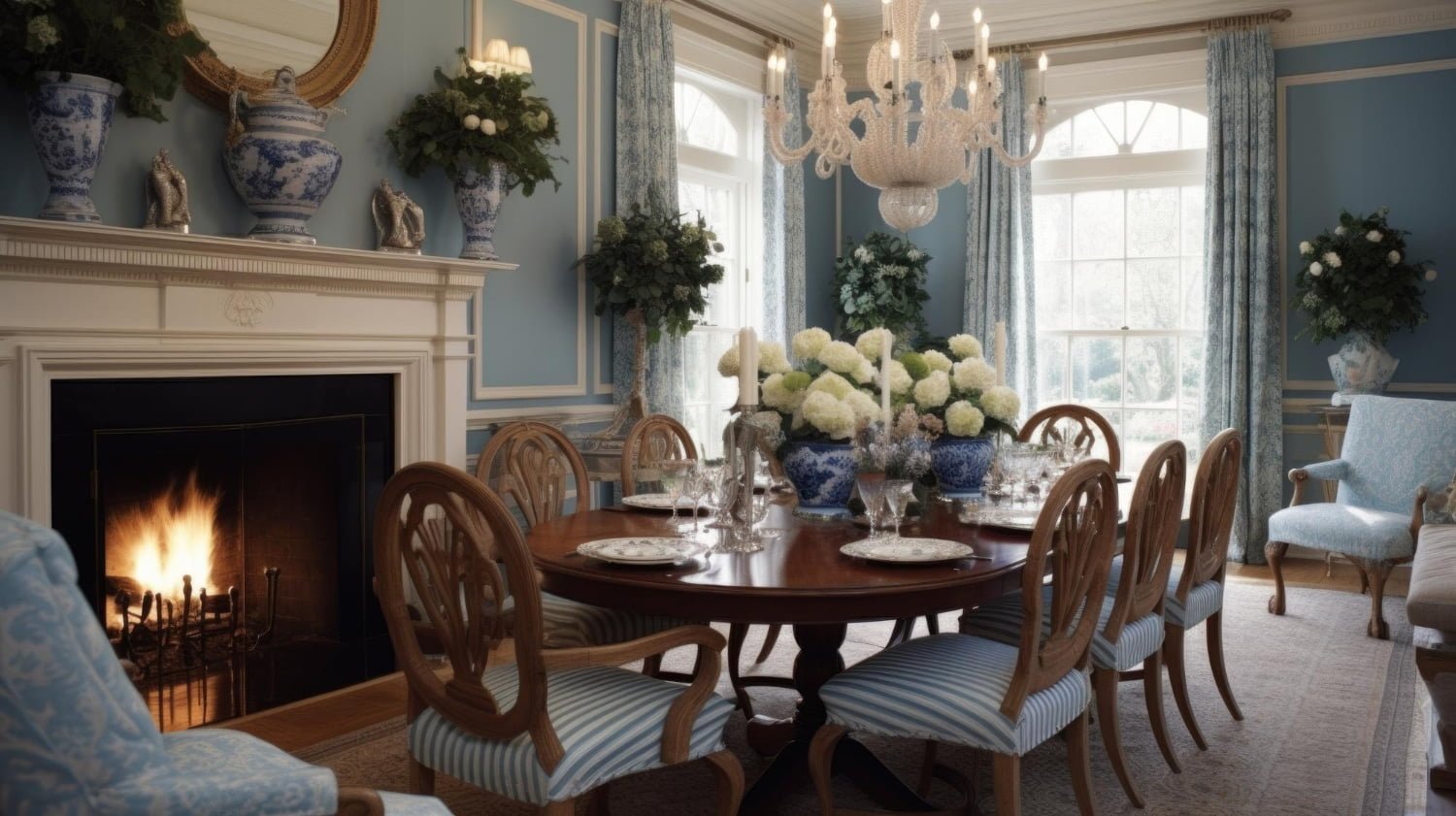
The first time I really paid attention to colonial interior design was during a late-night house tour I found online, not a museum restoration or a magazine shoot, but a regular home in Houston where someone had taken a colonial floor plan and made it feel genuinely comfortable. Centered entrance hall, matching rooms on either side, solid wood side tables that looked like they had been there for decades. I kept scrolling back to it because it looked nothing like the colonial spaces I had always written off as stuffy or historically preserved.
What I figured out, after studying more rooms and eventually trying some of these ideas in a typical apartment in a rental, is that colonial interior design gets a bad reputation because most people only encounter the heaviest version of it. The style has much more range than that: breezy tropical variations, earthy Spanish-influenced interpretations, and lighter modern takes that work well in an ordinary house. Here is what actually helped me understand it and apply it with real results.
What Sets Colonial Interior Design Apart
The Symmetry Principle That Changes How a Room Feels
One of the defining structural rules of colonial design is symmetry. Colonial homes were planned around a central axis: one main entrance, matching rooms on either side, windows balanced against each other, furniture arranged so the eye settles in the middle of the room rather than drifting around. I did not fully understand how powerful this was until I moved into a studio with a completely open floor plan and no natural focal point. No matter how many pieces I added, the room felt unresolved. The thing that finally fixed it was moving a credenza to the center of the main wall and placing matching lamps on each end. Simple, symmetrical, and the whole room clicked. That is the colonial principle at work, and it costs nothing to apply it.
Why Natural Materials Outperform Any Trend
Colonial design was built around what early settlers could source locally: oak, walnut, pine, brick, natural stone, wool, and linen. That material constraint became the visual identity. What this means in practice is that colonial interiors feel grounded because the surfaces have real weight and texture. The budget approach to applying this: skip particle board furniture and look for solid wood pieces at estate sales and thrift stores. I found a solid oak end table at a Goodwill in a rental for $22 last spring. That single piece changed the feeling of my living room more than anything buying new that year. Solid material reads immediately, even when the piece is inexpensive and simple.
British Colonial, French Colonial, Spanish Colonial: The Differences That Matter
British Colonial: Built for Warm Climates and Easy Living
British colonial developed in tropical outposts in India, Singapore, and the Caribbean, which means it was specifically designed to feel cool and livable in warm weather. The furniture is typically rattan or dark teak, the fabrics are light and breathable, and the overall atmosphere is relaxed rather than formal. Plantation shutters, ceiling fans, and potted palms are classic British colonial signatures. This is the version I recommend first to anyone who is drawn to colonial design but finds American colonial too heavy. It works in smaller spaces, translates well to modern homes, and has a sophistication that does not require any formal commitment. If you enjoy the Southern interior design approach, British colonial shares a lot of that warm-climate ease.
French Colonial: More Texture, More Drama, More Color
French colonial design has more visual weight than its British counterpart. Deep indigo and gold fabrics, patterned upholstery, wrought iron accents, and ornate hardware are all French colonial signatures. I have used a small amount of French colonial influence in my current living room: a wrought iron sconce on one wall and a blue-and-white ceramic lamp on the side table. Both came from a vintage shop on South Congress and cost less than $60 combined. The result looks intentional and layered without committing to a full historical theme. The key with French colonial is that a little goes a long way. One strong piece in an otherwise neutral room is enough to establish the direction.
Spanish Colonial: The Most Underrated Variation
Most colonial design guides underplay Spanish colonial, and I think that is a mistake. It is one of the warmest and most livable colonial variations, built around terracotta tiles, exposed timber ceiling beams, textured plaster walls, and rich earth tones in amber, ochre, and rust. It connects directly to hacienda-style design and to traditional Mexican interior traditions. If you want a colonial-influenced space that feels ancient and warm without looking like a formal museum installation, this is the direction worth exploring. A rough plaster wall treatment, hand-thrown ceramic vessels, and a jute rug will get you most of the way there without significant expense. See also how modern hacienda interior design handles these same materials in a contemporary context.
Applying Colonial Interior Design Room by Room
The Living Room: Getting the Balance Right
The most common mistake in a colonial living room is taking the formality too far. Colonial spaces have structured bones, but the furniture does not need to match the stiffness of the architecture. The best colonial living rooms I have seen combine one historic anchor piece (a genuine antique side table, a reclaimed wood console, a wingback chair with real age on it) with simpler and quieter modern furniture arranged around a central focal point. The room above works because the seating is symmetrical and nothing is competing for attention. That single principle is worth copying before anything else. If you want to explore the modern interpretation further, I have more on that in the modern colonial interior design guide.
The Bedroom: Four-Poster Beds Without the Period Drama
Four-poster beds are the first thing most people picture when they think colonial bedroom, and they work, but they do not need to look like something from a costume drama. The version I would actually buy is a low-profile four-poster in natural unstained wood with clean lines. Pair it with white or cream linens, one botanical-print or paisley pillow, and a woven area rug. Keep the nightstands matching and leave most surfaces clear. The bedroom image above shows this balance: the canopy is present but the rest of the room gives it room to breathe. The moment you add too many objects it starts reading as cluttered heritage rather than considered design. Colonial bedrooms work when the focal point is clear and everything else supports it quietly.
The Kitchen: Small Updates That Carry the Most Weight
The most impactful and affordable colonial kitchen update is replacing cabinet hardware. Original cabinet doors with new aged bronze or unlacquered brass pulls look immediately more colonial without any construction at all. Beyond hardware: open shelving where possible with simple ceramic dishware displayed rather than mixed clutter, a farmhouse sink if it is already there, and cream or warm white paint on the walls. The kitchen above shows how warm cabinetry and a calm color palette carry the room without renovation. The trick is keeping the wall color soft so the wood cabinetry does the visual work. Dark walls in a colonial kitchen tend to feel like a basement rather than a historic home.
The Architectural Details That Do the Most Work
Crown Molding and Wainscoting Change the Room Before You Add Any Furniture
Crown molding at the ceiling-wall junction and wainscoting along the lower third of the walls together create the formal layering that defines colonial architecture. Both are now available in peel-and-stick or removable-panel formats that do not require permanent installation, which makes them accessible even in rentals. The room above shows how painted wood paneling changes the atmosphere entirely. The formality is not coming from the furniture. It is coming from the walls themselves. This matters because it means you can add genuine colonial character to a space without committing to expensive furniture or renovation.
Centering Around a Fireplace (or Creating the Effect Without One)
Every classic colonial room is organized around a fireplace. If you have one, it should be your undisputed focal point: matching candlesticks or sconces on each side, a centered mirror above the mantel, nothing on the shelf that is not deliberate. If you do not have a fireplace, a mantel shelf mounted on a plain wall creates almost the same effect at low cost. I did this in a previous apartment: a $40 floating shelf at mantel height, two matching brass candleholders on each end, a framed botanical print centered above it. Guests assumed it was architectural. It was not. It just looked organized and purposeful, which is what colonial design is fundamentally about.
Furniture and Textiles: Getting the Mix Right
Colonial Furniture: What to Look For and What to Skip
Colonial furniture is defined by craftsmanship and functional simplicity: wingback chairs, ladder-back dining chairs, gate-leg tables, and chests with visible joinery. The rule is that pieces should look handmade rather than mass-produced. The specific investment piece worth prioritizing is a good wingback chair in a neutral fabric. I found mine at a Goodwill in a rental for $45 and had it reupholstered in a linen-cotton blend for $90 at a local upholstery shop. It has been the anchor piece in three different rooms since then and looks expensive to anyone who sees it. What to avoid: ornate carved reproductions that look theatrical rather than lived-in. The furniture above shows the right level of detail: craftsmanship is visible but nothing is performing for attention.
Textiles: Contrast Is the Whole Point
Textiles in colonial design work through contrast: heavier drapery against light walls, a textured wool rug on smooth hardwood floors, embroidered cushion covers on a plain sofa. Patterns that fit naturally include botanical prints, classic stripes, and paisley. What I have found through trial and error is that mixing a light sheer curtain with a heavier outer panel gives a layered effect without blocking natural light, which is essential in colonial design. The image above shows how this balance plays out in practice: the room feels soft and tactile without being heavy or dusty. That distinction is the difference between a colonial room that feels welcoming and one that feels dated.
Common Mistakes That Are Easy to Avoid
Going All-In on Dark Wood Before You Know the Room
The version of colonial design that most people find off-putting is all dark mahogany and heavy drapes with very little light. That is a real risk if you start acquiring colonial furniture without thinking about the room’s proportions and light levels. The rule I follow: one dark wood anchor piece per room, with lighter materials surrounding it. A dark coffee table works in a room with white walls and natural light. Three dark mahogany pieces in a north-facing room will feel like a cave. Colonial design is not about accumulating period furniture. It is about the balance between weight and lightness.
Treating Colonial Design as a Historical Exercise Instead of a Living Style
The most dated-looking colonial rooms I have seen are the ones where every element is historically accurate and nothing feels personal. Colonial design works in a modern home when it is treated as a foundation, not a recreation. A colonial living room that has one genuinely old side table, two contemporary sofas, modern lighting, and symmetrical arrangement looks current and considered. The same room with antique reproduction everything looks like a theme park. The style is old. The way you live in it is not. Pick the bones, then make it yours.
Frequently Asked Questions
What is the difference between colonial and modern colonial interior design?
Colonial interior design refers to the traditional style developed by early American and European settlers, characterized by symmetrical layouts, handcrafted furniture, and natural materials. Modern colonial takes the same structural bones and pairs them with cleaner lines and updated color palettes. The original style has more historical weight and texture; the modern version is lighter and easier to integrate into a contemporary home.
What are the three main types of colonial interior design?
The three main regional variations are British colonial (breezy and rattan-heavy, developed in tropical climates), French colonial (more ornate with richer colors and wrought iron accents), and Spanish colonial (earthy tones, terracotta, exposed timber beams). Each has a distinct character and suits different home types and climates.
What colors work best in colonial interior design?
Soft whites and warm creams are the most reliable wall colors for colonial spaces. Furniture in mahogany, walnut, or teak anchors the room. Accent colors depend on the sub-style: British colonial uses navy and sage, French colonial favors deep indigo or gold, and Spanish colonial works with terracotta, ochre, and rust.
Do I need antique furniture to achieve colonial interior design?
No. You need the right shapes and materials, not historical provenance. Solid wood pieces with simple craftsmanship look colonial whether they are 200 years old or found at a thrift store last week. Focus on silhouette and material quality over age or price.
Is colonial interior design expensive to achieve?
It does not have to be. Many colonial elements, including crown molding, solid wood furniture, and neutral textiles, are available at reasonable prices through thrift stores, estate sales, and vintage shops. The style rewards quality over quantity: one genuinely good piece is worth more than five decorative fillers.
If you liked this post about colonial interior design, don’t forget to follow us on Pinterest so you don’t miss any more interior design news!