India Interior Design: Climate, Craft, and Spatial Rhythm

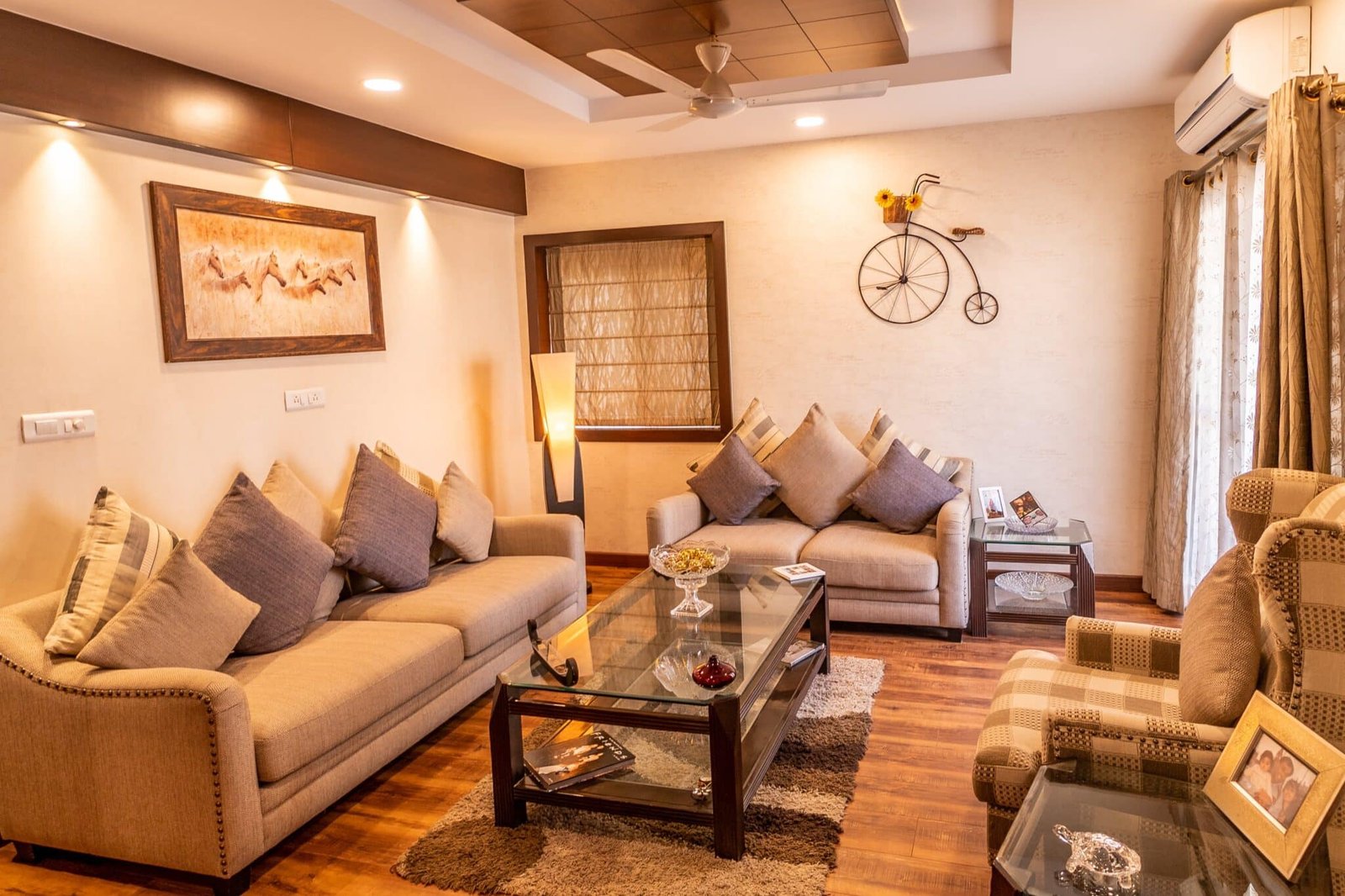
India’s interior design tradition is one I keep returning to when I work with clients who want their space to feel genuinely layered rather than just decorated. The aesthetic draws on thousands of years of craftsmanship, a visual language shaped by trade routes, spiritual practice, and regional climate that no other design tradition quite replicates. What sets it apart isn’t the color palette or the textiles alone. It’s the underlying principle that every surface and every object carries meaning, and that meaning is earned, not assigned after the fact.
The most immediately recognizable aspect is the color work. Ochre yellows pulled from turmeric and spice markets, burnt oranges from terracotta and marigold, deep reds that reference both festival and temple. These aren’t decorative choices applied to a neutral backdrop. They’re built into the structure of the space. One useful approach: We committed to saffron-orange walls, carved rosewood furniture, and a hand-knotted Jaipur rug as the anchoring layer. She was hesitant about the wall color. Six months after completion, she told me it was the one decision she’d never walk back. That’s what extended color does in a room: it changes the spatial temperature, not just the decoration.
Indian Modernism is the version of this aesthetic that translates most cleanly into contemporary residential projects. The key principle here is deliberate balance: traditional materials like carved wood and handloom weaves sit alongside clean modern layouts and restrained architectural details. It’s not about filling a room with Indian objects. It’s about understanding which structural decisions give the space its character, and making those decisions first before anything decorative enters the picture.
India Interior Design: Overview and History
India’s design history runs deep. The geometric planning principles visible in the Indus Valley Civilization around 2700 BCE already show a sophisticated understanding of spatial order. What followed over the centuries (Mughal court aesthetics, regional craft traditions, colonial-era architectural hybrids, and mid-century modernism shaped by architects like Charles Correa and Balkrishna Doshi) created a layered design vocabulary that continues to evolve. Understanding where these elements come from is worth the effort before you start applying them, because the visual decisions that look arbitrary on the surface are usually grounded in specific historical logic.
Traditional and Modern Influences
The foundations of Indian interior design go back to the 17th and 18th centuries, when local craft guilds shaped not just objects but entire spatial vocabularies. Geometric grids from ancient city planning, intricate inlay work from Mughal-era furniture, hand-blocked textile patterns from Rajasthan and Gujarat: each of these carries structural logic, not just surface decoration. When contemporary designers reference these traditions, the strongest results come from understanding the underlying system, not copying the visual output.
Indian Modernism is the clearest example of how this synthesis works at its best. Architects and designers working in post-independence India found ways to integrate traditional material knowledge (mud walls, jaali screens, carved teak) into buildings and interiors that were structurally contemporary. In practice, this means a living room where the proportions and materials follow modern spatial logic, but the surface language (a hand-embroidered cushion, a brass-footed table, a wall panel with traditional motif work) grounds the space in something older and specific.
Regional Differences
India’s design diversity is significant enough to function as several distinct aesthetic traditions. Rajasthani interiors favor maximum color saturation and carved stone detail. The haveli tradition of elaborate facades and courtyards carries into domestic space as painted murals, low carved seating, and mirror-work textiles. South Indian design runs in a different direction entirely: the emphasis falls on dark hardwood (teak and rosewood primarily), clean architectural lines, and a restrained palette that lets material quality speak. Kerala vernacular architecture, with its sloped roofs, carved wooden ceilings, and interior courtyard logic, represents one of the most coherent regional design systems anywhere in the world. Contrast this with the precision and restraint of traditions like Italian interior design, and you can see how different regional conditions produce fundamentally different spatial priorities.
This regional variation is one reason Indian interior design resists reduction to a single visual checklist. Pairing a Rajasthani carved jharokha with a South Indian bronze lamp and a Mughal-print cushion, without understanding how these objects relate to each other culturally, produces a display of curios rather than a designed space. The right approach is picking one regional tradition as the anchor and working consistently within its material and color logic. Internal consistency is what makes a space look designed rather than assembled.
If you’re planning to incorporate Indian design elements into your home, start by identifying which regional tradition fits your existing spatial context. A high-ceilinged apartment has different structural affinities than a smaller open-plan layout, and the details that work in one setting will feel out of place in another. The examples in this guide draw primarily from North Indian and Mughal-influenced traditions alongside pan-Indian principles that apply across regional contexts.
Popular Styles and Elements
Key Design Motifs and Patterns
Indian interior design is organized around recurring visual systems. Understanding these as systems, not as isolated objects, is what makes the difference between an interior that has a clear character and one that feels like a prop collection. Three categories of motif work appear consistently and translate well into contemporary residential contexts:
- Indian prints: Paisley, floral, and geometric block-print patterns are the workhorses of Indian textile design. The key is scale: larger-scale patterns work on upholstery and wall treatments, smaller repeats on cushions and secondary textiles. Mixing scales deliberately is more effective than matching patterns.
- Art deco: Mumbai’s Deco district is one of the largest concentrations of Art Deco architecture outside Miami. The curvilinear forms and brass-and-chrome details translate well into contemporary spaces as hardware choices and furniture profiles, making a connection between Indian and international modernism worth acknowledging explicitly.
- Antiques: A single well-chosen antique piece (a carved wooden door frame repurposed as a headboard, a brass temple lamp, a vintage textile panel) does more for the character of a space than a room full of reproduction items. The specificity of an authentic object carries design weight that manufactured pieces cannot replicate.
A few related Pinterest references in the same visual family as the section above.
A few related Pinterest references in the same visual family as the section above.
A few related Pinterest references in the same visual family as the section above.
Colour Schemes and Palettes
Color in Indian design is structural, not decorative. The palette conventions that developed over centuries were tied to pigment availability, climate, cultural symbolism, and practical durability. Understanding this gives you better instincts about how to use them. The most common error I see is treating Indian color as an accent strategy: a few bright cushions against a neutral base. This misses the point entirely. The palette makes more sense when the color runs continuously from wall to textile to floor.
- Vibrant colours: Saffron orange, turmeric yellow, kumkum red, peacock blue. The signature palette works best when applied with discipline. Limit the range to two or three dominant hues and treat them as architectural decisions. These colors should appear on walls or major surfaces, not just in portable accessories.
- Bright colours: Cobalt blue from Jaipur pottery, emerald green from Mughal garden tiles, violet from festival textiles. These work well in smaller, precise applications where they can hold attention without competing with each other. One strong color accent placed clearly is worth more than five competing ones.
Balance between bold and neutral is the structural principle here. The traditional approach extends the dominant color across multiple surfaces and material types, then uses a secondary neutral (white plaster, undyed linen, or natural stone) to give the eye somewhere to rest. This is what creates depth rather than visual noise.
More Hawaiian and tropical-leaning interiors with open light, natural texture, and indoor plants carrying the mood.
Use of Materials
Materials in Indian design carry specific cultural and functional histories. Working with them well means understanding what they were originally doing, not just what they look like. Each material category below has a practical logic that explains its visual role:
- Gold: Brass and gold-toned metal function as light activators in Indian interiors. Picture frames, hanging lamps, hardware, and door details all use metal to catch and distribute ambient light in spaces that historically relied more on indirect illumination than direct overhead lighting. This is a functional decision that produces a visual effect.
- Traditional materials: Teak and rosewood are the hardwoods of choice: dense, long-aging, and capable of holding carving detail without losing structural integrity. For upholstery and soft furnishings, handloom cotton and silk are worth the investment over machine-woven alternatives. The handmade material ages better and the difference is visible from the first day.
- Pooja room: If you’re incorporating a dedicated prayer or meditation space, the design logic differs from the rest of the house. Natural materials (stone, unfinished wood, clay) take precedence over decorative considerations, and the scale should be intimate regardless of the overall room size. The space works when it feels set apart, not when it looks like an extension of the adjacent room.
A few related Pinterest references in the same visual family as the section above.
A few related Pinterest references in the same visual family as the section above.
A few related Pinterest references in the same visual family as the section above.
Essential Spaces in Indian Interior Design
The most useful lens for understanding how Indian design principles translate into specific rooms is how they handle the relationship between function and aesthetic weight. Each room type in the Indian residential tradition has its own logic, and that logic is worth following rather than overriding with a generic contemporary approach. The examples below are organized by room, with notes on what the Indian approach prioritizes in each case.
Living Room
The Indian living room treats the floor as part of the seating arrangement. Low chowki tables, floor cushions, and daybans (traditional daybeds) allow the space to shift between formal and informal configurations depending on the occasion. Layering is the organizing principle: an underlying handwoven dhurrie, a carved wooden occasional table, silk cushions with mirror embroidery, a brass floor lamp with perforated metalwork shade. The specific objects matter less than the layering logic. When I advise on living rooms that reference this tradition, I usually suggest committing to one strong textile pattern and letting everything else run quieter. A room with one dominant visual decision and four secondary ones has a clear hierarchy. A room where everything is equally loud just looks busy.
Kitchen
Indian kitchens have historically prioritized visible organization over minimalist concealment. Open shelving for ceramics, visible spice racks, and hanging copper and brass utensils are functional decisions that also create a visually rich surface environment. The patterned tile backsplash common in Indian kitchens serves a practical purpose (easy to clean, reflective of natural light) while carrying the visual layering principle from the rest of the house into a functional space. The result is a kitchen that doesn’t look equipment-focused or sterile. It looks like a place where cooking is taken seriously. That’s a different design intention from the all-white-and-stainless approach, and it produces a different atmosphere.
Bedrooms
Indian bedrooms weight the textile budget heavily toward the bed itself: layered cotton and silk bedspreads, embroidered pillow arrangements, and a canopy or carved wooden frame that makes the bed the visual anchor of the room. The palette here usually runs warmer and more saturated than you’d see in a Scandinavian or minimalist bedroom, which is a deliberate choice, not a lack of restraint. Wooden flooring or stone tile completes the material palette. Soft, directional lighting through perforated brass lamps or draped fabric shades keeps the atmosphere from going clinical. The room works when the materials are in conversation with each other, not when every surface is making an independent statement.
Related garage setups in the same functional family: storage, work zones, and finishes that keep the space usable rather than decorative.
Kids Room
Indian design offers strong source material for children’s rooms because the visual tradition is inherently narrative. Peacock motifs, elephant appliques, geometric puzzle patterns, and hand-painted animal murals are elements from a visual culture with deep storytelling roots: these aren’t decorations applied over a neutral base, they’re the story itself. The functional approach is the same as for adult spaces: layer a few strong elements (one mural, one dominant textile, one carved wooden piece) and let them carry the room. Covering every surface with pattern produces confusion rather than richness. One well-placed hand-painted mural does more than four competing motif sources.
Bathroom
An Indian-influenced bathroom works best when it commits to one or two material statements rather than applying pattern across every surface. A Jaipur Blue Pottery tile panel as a backsplash, brass fixtures with a traditional profile, and one or two handmade ceramic accessories achieve the right level of specificity. The ceiling and upper walls can stay neutral. The visual weight comes from the material quality of the few elements you include, not from the surface area they cover. A bathroom designed this way looks considered rather than busy.
Each of these rooms works on the same underlying logic: select a small number of high-quality, culturally specific materials and objects, and give them space to be seen. The visual richness of Indian design doesn’t come from volume. It comes from the specificity and quality of individual choices made deliberately.
Related garage setups in the same functional family: storage, work zones, and finishes that keep the space usable rather than decorative.
Key Design Elements and Accessories
India is a land of diverse culture, vibrant colors, and rich history, and the interior design tradition reflects all of this at the material level. Breaking down what actually goes into an Indian-influenced interior by category helps clarify where the investment should go and where restraint produces better results than abundance.
Furniture and Cabinetry
Solid wood furniture is the structural backbone of Indian interior design, and material quality matters significantly here. Teak and rosewood have a density and natural oil content that makes them resistant to both humidity and insects: practical considerations that explain why these woods have been used in tropical and semi-tropical Indian climates for centuries. Antique or handcrafted pieces have a clear advantage over contemporary reproductions: the joinery and carving detail is usually more precise, and the finish has developed a depth that new wood simply doesn’t have. For cabinetry, brass or iron hardware with traditional forms adds specificity without requiring large expenditure.
A few related Pinterest references in the same visual family as the section above.
Textiles and Fabrics
The textile selection is where most Indian-influenced interiors either succeed or fall flat. For achieving harmony in interior design, the key is treating textiles as a layered system rather than individual accent decisions. Silk is appropriate for formal display (drapes, decorative cushions, bed covers in guest rooms) because its light behavior is genuinely distinctive. Cotton handloom is more versatile and more durable for everyday use. Jute grounds the palette without competing with the more decorative elements above it. I’ve ordered from the same handloom cotton supplier in Jaipur twice now, and each time the fabric arrives with a slight irregularity in the weave that machine-made alternatives simply don’t have. That irregularity is exactly what makes it look handmade rather than mass-produced, and in a room built around Indian craft tradition, that distinction matters.
| Material | Usage |
|---|---|
| Silk | Drapes, cushions |
| Cotton | Upholstery, bedding |
| Jute | Rugs, mats |
Flooring and Rugs
Flooring in Indian design contexts typically runs one of two directions: highly polished stone (marble in palatial traditions, terracotta tile in vernacular architecture) or dark hardwood. Both work as a base because neither competes with the textile and color work above them. A Jaipur area rug is one of the more accessible entry points into the tradition: the hand-knotted construction quality is genuinely different from machine-made alternatives, and the pattern vocabulary is specifically Indian rather than generically decorative. I generally recommend going larger rather than smaller with the rug. It should anchor the entire seating area, not just sit under the coffee table. A rug that’s too small breaks the spatial logic rather than reinforcing it.
A few related Pinterest references in the same visual family as the section above.
Decorative Accents
The accessory decisions are where personal judgment matters most. Brass figurines, carved wooden wall panels, handmade ceramic vessels, hand-embroidered wall hangings: all of these work within the tradition, but none of them work in isolation. The test I apply is this: does this object have a specific regional or craft origin I can trace? A Bidri metalwork vase from Karnataka is a different thing than a generic brass pot. The specificity is visible, and it’s what makes the difference between decoration and design. Lighting choices follow the same logic: intricate chandeliers and perforated lanterns work because they create a specific light quality (dappled, warm, directional) that plain fixtures don’t achieve.
Building an Indian-influenced interior is an exercise in selective accumulation. A few objects of genuine quality and cultural specificity will always outperform a large number of items that look Indian at surface level. That principle holds across every element category.
Design Professionals and Industry Trends
India’s interior design market has grown substantially through the 2020s, with designers and architects attracting international attention for projects that demonstrate how traditional material knowledge and contemporary spatial thinking can operate together. A few names and developments worth following if you’re tracking what serious Indian design looks like right now.
Notable Designers and Architects
- Kohelika Kohli: Co-founder of K2INDIA, Kohli works at the intersection of architecture, furniture design, and material craft. Her approach to natural materials and organic design forms has influenced a generation of Indian designers who are thinking seriously about sustainability alongside aesthetics. In her work, the two concerns are the same concern.
- Rashmi Haralalka: A designer known for residential interiors that emphasize restraint, warm materiality, and an edit-first approach. Her work is useful reference for anyone who wants to understand how Indian design principles can operate at a quieter, less maximalist scale, closer to the logic of Indian Modernism than to the saturated color work of the haveli tradition.
Innovative Projects
Several project categories are currently defining what Indian interior design looks like at the high end, worth tracking if you want to understand where the tradition is moving rather than just where it has been.
- Sustainable Home Design: The current generation of Indian design studios is integrating biophilic principles into residential projects with structural rigor, not as aesthetic overlay, but as decisions about ventilation, material sourcing, and thermal performance. Exposed rammed earth walls, reclaimed wood from demolition sites, and natural-fiber insulation are appearing in projects where these choices are technically justified, not just visually appealing.
- Minimalist Interiors: There’s a growing direction in Indian urban design toward spatial restraint: fewer objects, better-quality materials, more attention to proportion and natural light. The influence of mid-century Indian modernism (Balkrishna Doshi, Charles Correa’s residential work) is visible here, and it represents a coherent counter-position to the maximalist interpretations of Indian design that dominate Western references.
Latest News and Developments
- India’s interior design market has tracked strong growth through the mid-2020s, driven by urban real estate expansion and a significant increase in homeowners engaging professional designers for projects that were previously handled without professional input. The profession has formalized substantially, with design education and certification playing a larger role than a decade ago.
- Biophilic design is extending beyond plant styling into architectural and furniture decisions. Rattan, locally sourced stone, reclaimed teak, and natural clay plasters are increasingly common in both premium and mid-range residential projects across Indian cities.
- Warm, earthy color palettes are dominant in current Indian residential interiors, reflecting both a reaction against the cool-neutral international style and a return to climate-appropriate color strategies with deep roots in regional craft traditions. This shift connects to broader interior design trends visible in markets globally, but the Indian version has its own distinct material basis.
The Indian interior design industry is demonstrating that tradition and innovation operate better as partners than as opposites. The designers doing the most interesting work are the ones who understand the historical material vocabulary well enough to know what to keep and what to set aside.
If you’re planning an Indian-influenced project and want professional input, the planning and budget framework below should help structure that conversation with a designer.
Planning and Budgeting for Interior Design
Starting an interior design project with a realistic budget framework saves significant time and money later. The planning variables for an Indian-influenced interior are somewhat different from a more neutral contemporary approach, because the tradition emphasizes handcraft and material quality that doesn’t have good machine-made equivalents. Knowing where those premium decisions are and where they’re optional is worth establishing before you speak to a designer.
Design Priorities and Preferences
To create your dream home, start by identifying the following:
- The room to focus on first. Indian design principles apply differently to shared living spaces versus private rooms: living rooms and dining areas benefit most from the full layering logic, while bedrooms and bathrooms work better with a more selective application.
- Your regional reference point within Indian design (North Indian Mughal-influenced, South Indian vernacular, Art Deco Mumbai, or contemporary Indian modernism). This shapes every material and color decision that follows, and being specific about it early prevents the mixed-tradition problem described above.
- Color commitment level: full-spectrum color on walls and major surfaces, or color primarily in textiles and accessories on a neutral base. Both approaches work, but they require different budget distributions and produce different spatial results.
- Functional requirements, such as storage or accessibility needs, alongside craft budget: handmade and antique pieces require a different investment level than contemporary reproductions. Deciding early where you’re willing to spend for quality prevents a situation where the budget runs out before the most important pieces are purchased.
By outlining your design priorities and preferences clearly before starting, you give a designer something concrete to work with and prevent the common outcome where a budget is fully allocated without clarity on where the money should actually go.
Budgeting and Saving Tips
Developing a budget is critical for controlling expenses while achieving your desired outcome. Here are some structural observations on cost in Indian-influenced interiors:
- Understand the cost: designer fees typically range from 10% to 20% of the total project cost. For an Indian-influenced interior, the designer’s sourcing knowledge is particularly valuable. Knowing which craftspeople, importers, and antique dealers to approach for specific pieces can save far more than the fee costs in avoided mistakes.
- Prioritize: allocate funds based on what will define the room’s character. The textile investment is usually the most impactful budget decision in this design tradition. High-quality silk and hand-embroidered textiles cost significantly more than synthetic alternatives, but the visual difference is immediately visible and the materials age better.
- Balance quality and affordability: a budget spent on a single hand-carved furniture piece or an antique textile panel will typically outperform the same budget spread across multiple contemporary reproduction items. Fewer, better choices produce more character.
- DIY projects: paint and minor decorative work are areas where self-execution is reasonable. Structural woodwork, tile installation, and anything involving heritage or antique materials should involve experienced craftspeople. The risk of damaging irreplaceable pieces is not worth the savings.
Following these tips will help you create a realistic budget for your interior design project while staying within your financial limits and achieving a space that genuinely reflects this design tradition rather than just referencing it at surface level.
Incorporating Technology and Sustainability
Indian interior design has an interesting relationship with sustainability: many of the material and construction choices that have defined the tradition for centuries are exactly what contemporary sustainable design is moving toward. The challenge is integrating modern home technology into spaces that were designed around completely different principles, and doing it without disrupting the visual and material coherence that makes the tradition work.
Smart Home Integration
Home automation and IoT integration fit cleanly into Indian-influenced spaces when treated as infrastructure rather than aesthetic choices. Concealed wiring, in-wall speaker systems, and automated lighting control don’t interfere with the visual character of the space. In fact, good lighting control is particularly valuable in Indian-influenced interiors, where the layered surfaces and reflective metals create different atmospheres depending on light angle and intensity. A room that looks one way under warm, directional light and another under flat overhead lighting is not a problem. It’s a feature. The key is planning for smart home systems before the finish work begins, so cables and control panels can be hidden rather than retrofitted into a completed interior.
Eco-friendly Materials and Practices
The sustainability credentials of traditional Indian materials are genuinely strong. Teak and rosewood are dense and durable enough to last generations with basic maintenance. Handloom cotton and jute are produced without synthetic inputs in most traditional operations. Terracotta tile is locally fired from abundant clay and performs well thermally. Reclaimed wood from demolished buildings in Indian cities is available through specialist suppliers and carries both sustainability value and a specific visual quality that comes from aged, weathered material. New wood simply doesn’t look the same.
Sustainable practices in contemporary Indian design studios are extending this logic further: rammed earth and compressed soil block construction, solar-powered courtyard lighting, and greywater systems integrated into traditional courtyard house forms. For residential projects drawing on Indian traditions, there’s genuine alignment between historical material practice and current sustainability standards. The materials that have worked in Indian buildings for centuries are, in most cases, the same materials that contemporary sustainable design is recommending. Using them isn’t a compromise.
Frequently Asked Questions
What are the latest interior design trends in India?
The dominant directions in Indian residential design right now are biophilic integration (natural materials as structural choices, not just decoration), restrained color palettes anchored by warm earth tones, and a renewed interest in regional craft traditions as alternatives to imported contemporary furniture. Urban Indian design is also showing strong influence from mid-century Indian modernist architecture: clean lines, quality materials, and spaces designed around natural light and ventilation rather than artificial compensation.
How can I decorate a small space in an Indian style?
Small spaces benefit from the Indian principle of doing more with less surface area. Choose one dominant textile pattern and let it carry the visual weight. Use brass or copper accent lighting to create warmth without requiring floor space. A single carved wooden piece at the entrance or a hand-painted wall panel in the primary view line achieves the character of the tradition without filling the room. Avoid applying pattern to every surface. Restraint is more effective in tight spaces than the maximalist approach that works in larger rooms.
What are some common mistakes to avoid in Indian interior design?
The most frequent error is mixing regional traditions without understanding their differences: Rajasthani, South Indian, Mughal, and Art Deco Mumbai are distinct vocabularies, not interchangeable. The second mistake is over-accessorizing. Indian design looks layered because each layer is intentional and well-edited, not because every surface has something on it. Third is treating Indian design as purely decorative. The tradition’s strength comes from structural choices (materials, proportions, spatial layout) as much as from the objects placed within the space. Getting the structural decisions right first is what gives the decorative choices somewhere to land.
If you liked this post about India interior design, don’t forget to follow us on Pinterest so you don’t miss any more interior design ideas.