Bathroom Closet Designs: The Mistakes That Waste Every Inch

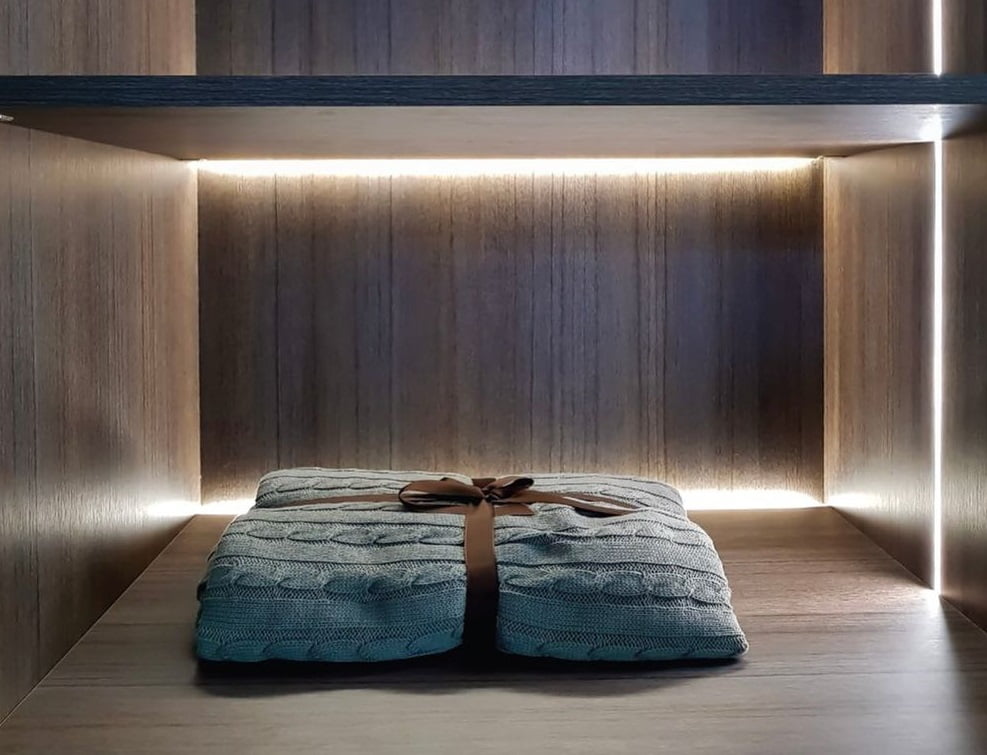
When I moved into my current place in a rental, the bathroom came with a narrow reach-in closet that I genuinely thought was useless. I squeezed in a few rolled towels, stacked everything else on the counter, and figured that was just how small bathrooms worked. Then I spent a weekend actually thinking about it, and realized the problem was not the closet. It was me using it wrong.
Bathroom closet designs get less attention than they deserve. Most people focus on tile or the vanity and treat the closet as an afterthought. But getting that space right changes your daily routine more than almost anything else in the bathroom. Here is what I have learned from doing this in three different apartments and one house.
The Closet Type That Fits Your Space
Finding the right starting point matters more than any organizational hack. A bathroom closet does not have to be large to work well. It has to fit how you actually use the room.
Reach-In Closets: Not a Consolation Prize
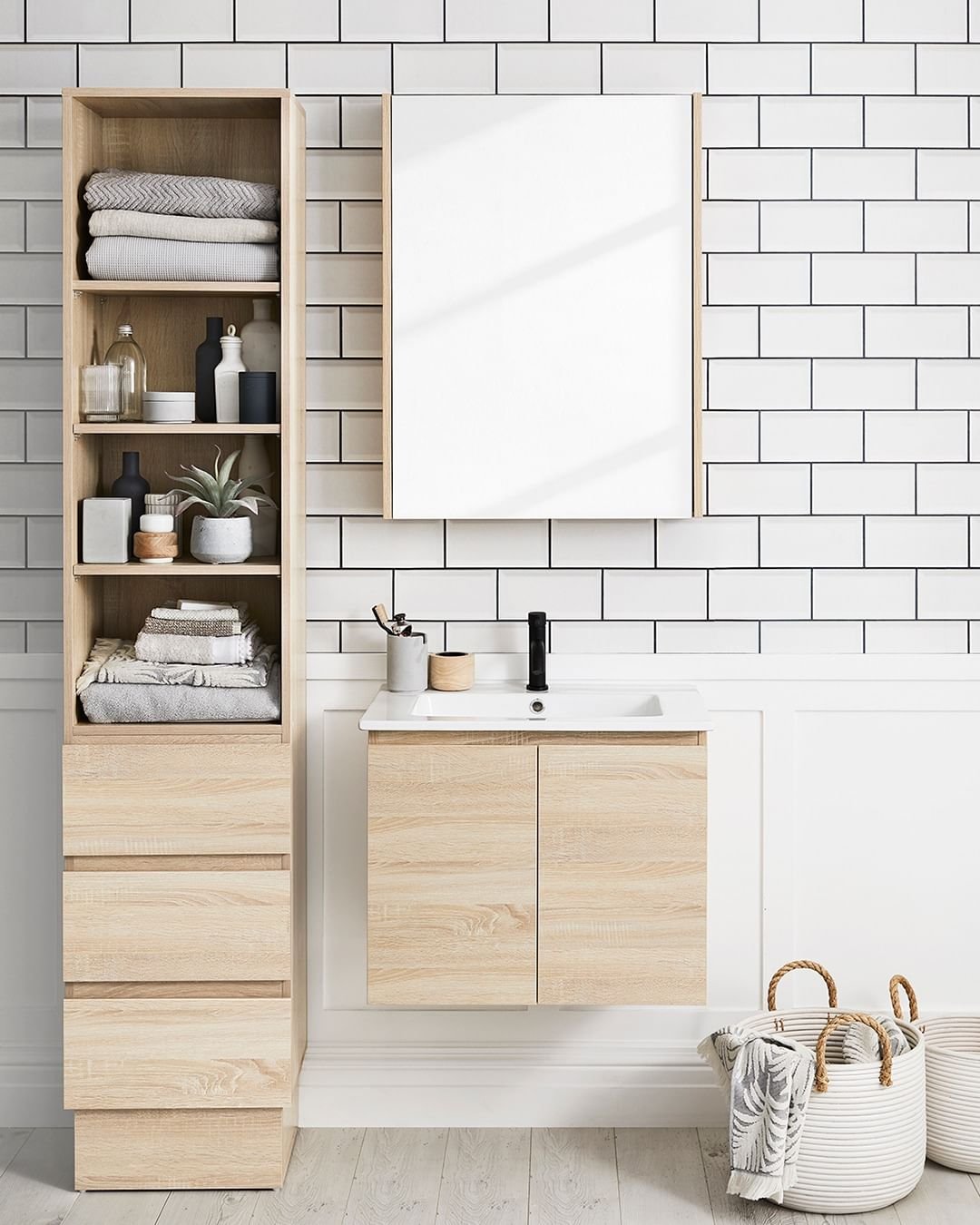
Most bathrooms have reach-in closets, and most people underestimate them. In a typical apartment, my reach-in is about three feet wide. By adding an extra shelf at eye level and installing a small hanging rod at the bottom for robes, I doubled the usable area without touching a wall. The key principle with reach-in closets is vertical organization. Most default setups use a single shelf and rod, which wastes the upper half of the space entirely. A good set of adjustable shelves, like IKEA PAX inserts or similar systems in the $80 to $120 range, can turn a reach-in into something that actually handles towels, products, and extra supplies without feeling cramped.
Walk-In Closets Connected to Bathrooms
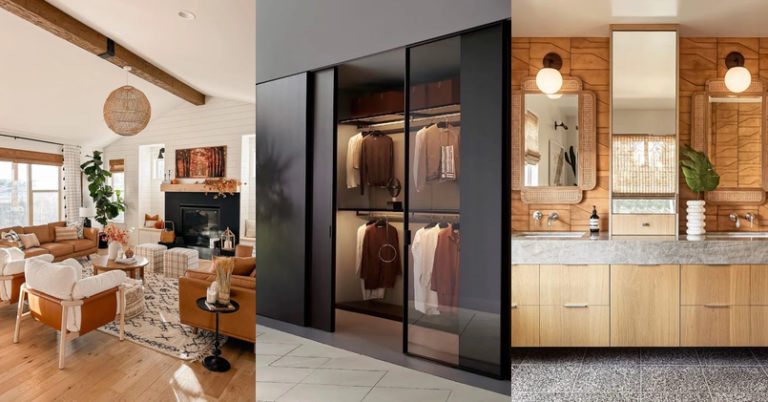
A few related Pinterest references in the same visual family as the section above.
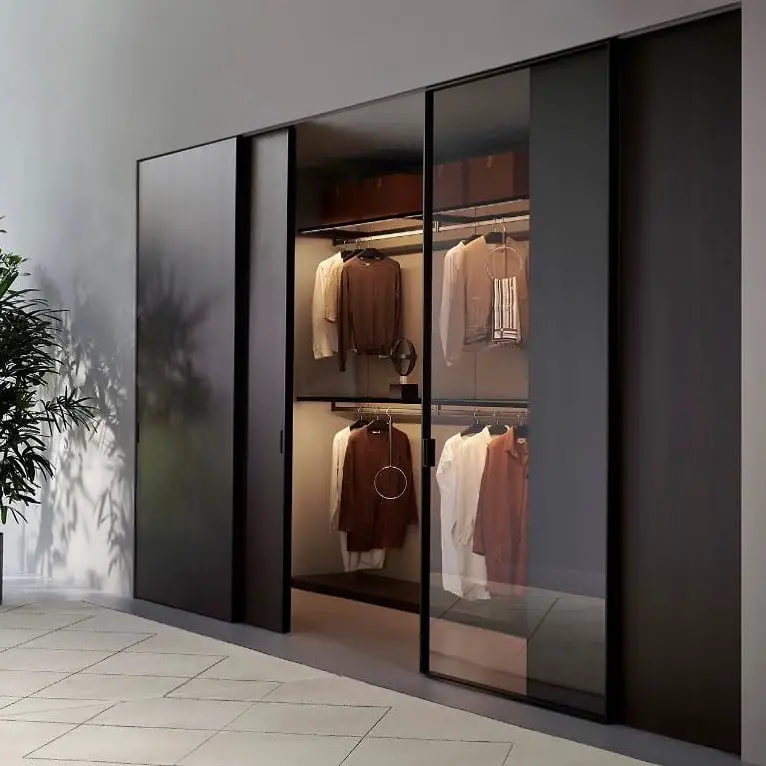
The walk-in attached to a bathroom is a different kind of problem. The options open up but so does the temptation to overfill. In practice, the spaces that work best treat the closet as an extension of the bathroom routine, not extra bedroom storage. That means keeping clothing here only if it is part of a getting-ready sequence: robes, loungewear, workout clothes. One underrated choice for bathroom-adjacent walk-ins is open shelving instead of cabinet doors everywhere. Open shelving creates visual accountability. You see what is there, so you keep it tidy. Cabinet doors on everything become a permission slip to ignore the mess.
Which Door Type Is Worth the Trouble
Standard hinged doors need room to swing, which matters in tight bathrooms. Sliding doors save floor space but limit access because you can only reach one half at a time. Pocket doors are the cleanest option when you have wall space for them, but they are a renovation commitment. For most people in rental situations: if you are replacing a door, sliding beats hinged in a small bathroom. If you are keeping the existing door, focus your energy on what is inside instead. You can also learn more about basic interior design principles that apply across every room, including how proportion and flow affect even storage spaces like this one.
Getting the Storage Right
This is where bathroom closet designs succeed or fail. Organization is not about buying more containers. It is about deciding what belongs in the space and then giving those specific things a specific place.
Built-In Shelves vs. Freestanding Units
A few related Pinterest references in the same visual family as the section above.
Trying both. Built-in shelves look cleaner and use the space more efficiently, but they require a screwdriver, wall anchors, and a Saturday. Freestanding units from The Container Store or basic options on Amazon can work just as well if you pick the right depth. Bathroom closets are usually shallow, and a unit that is too deep just creates dead space behind things. The first thing I would change in most bathroom closets I have seen is the shelf spacing. Standard closet shelving is often set for folded clothing, not for towels, which need more vertical height, or for product bottles, which need less. Adjustable shelving is worth the extra cost for exactly this reason.
Related garage setups in the same functional family: storage, work zones, and finishes that keep the space usable rather than decorative.
The Basket Approach that works
Related garage setups in the same functional family: storage, work zones, and finishes that keep the space usable rather than decorative.
Baskets get overused as decoration and underused as actual storage tools. The version that works is one large wicker or rattan basket for rolled towels, positioned on a lower shelf where it looks intentional. One smaller lidded basket for things you want out of sight: backup razors, travel-size bottles, anything that does not have a permanent home. I would avoid putting open baskets at eye level unless they are specifically decorative and consistently maintained. If you are not going to keep them tidy, closed containers are more forgiving. For anyone working with a tight budget: IKEA’s BRANÄS rattan basket runs about $20 and holds rolled bath towels perfectly. It is not a splurge, but it stays convincing well and looks like one.
Organizing Beauty Products Without Losing Your Mind
A few related Pinterest references in the same visual family as the section above.
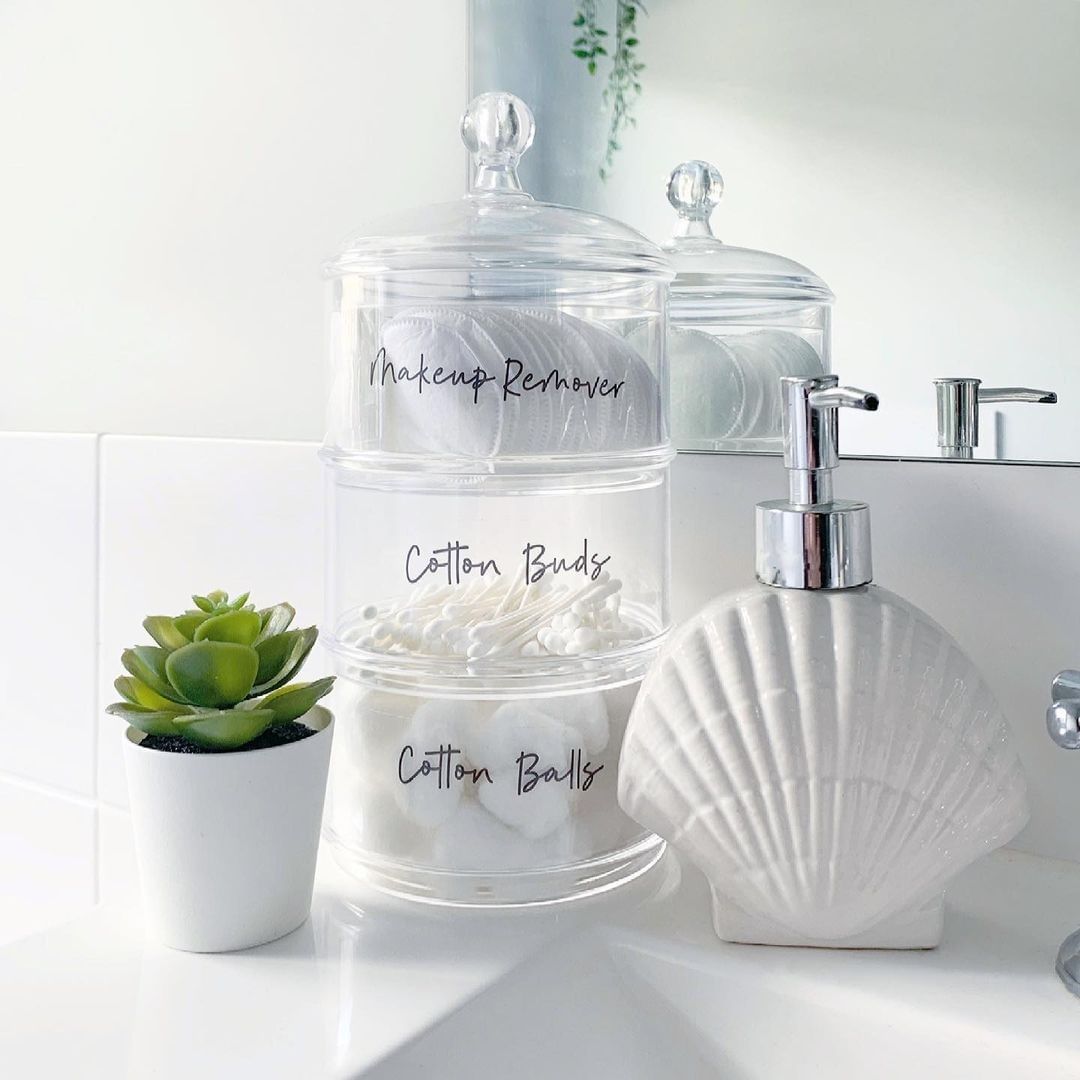
Clear acrylic organizers work better here than anywhere else in the bathroom. The reason is simple: bathroom light is often the best light in the space, and being able to see your skincare or makeup labels at a glance saves more time than any other system. The part most people skip is tiered shelving for skincare. A simple two-tier riser, around $15 to $20 at Target or Amazon, puts your daily essentials at eye level and pushes the backup products to the back. What works is organizing by frequency of use, not by product type. The things you reach for every morning should be in front, full stop. If you are also thinking about how this fits into a larger bedroom organization strategy, the same logic applies to neutral minimalist bedroom setups where daily-use items stay visible and backstock moves to less accessible spots.
Materials and Colors That Hold Up in a Bathroom
Bathrooms are humid. That is the main constraint, and it eliminates a lot of otherwise attractive options. I have made two of these mistakes myself, so I can tell you from experience what actually survives.
Cabinet Material That Will Not Warp After Two Years
Related garage setups in the same functional family: storage, work zones, and finishes that keep the space usable rather than decorative.
Wood looks beautiful in a bathroom closet. But not all wood behaves the same way. Solid hardwood in a bathroom with poor ventilation will expand, contract, and eventually warp. I watched this happen to an oak cabinet that looked perfect for about three months before the doors started sticking. The more practical choice is moisture-resistant engineered wood or PVC-based cabinetry. These are not as visually warm as natural wood, but they hold up. If you want the look of wood without the maintenance risk, a laminate finish over engineered wood, which is what IKEA and most mid-range cabinet companies use, is the honest answer. Expect to pay $200 to $500 for a quality laminate cabinet unit that will last in a humid space. Contrary to what most design blogs suggest, painting existing wooden cabinets is not a long-term fix in a bathroom. Primer helps, but if the wood underneath is already moisture-exposed, you are just delaying the problem.
Related garage setups in the same functional family: storage, work zones, and finishes that keep the space usable rather than decorative.
The Color Palette Worth Choosing for a Small Bathroom Closet
A few related Pinterest references in the same visual family as the section above.
Neutral tones perform best in bathroom closets because they do not compete visually with everything else already happening in a bathroom. Taupe, soft gray, warm white, and greige all work. More importantly, they make the space look larger and make it easier to see what is stored there. I would avoid very dark cabinetry in small bathroom closets. Dark colors absorb light, and bathroom closets are often poorly lit to begin with. The result looks more dramatic than it should and makes it harder to find things. If you want some color, the better approach is to add it through accessories like towels in a consistent palette or matching storage containers, rather than through cabinet color. This lets you change the look later without a renovation.
Wallpaper in a Wet Room: When It Works and When It Does Not
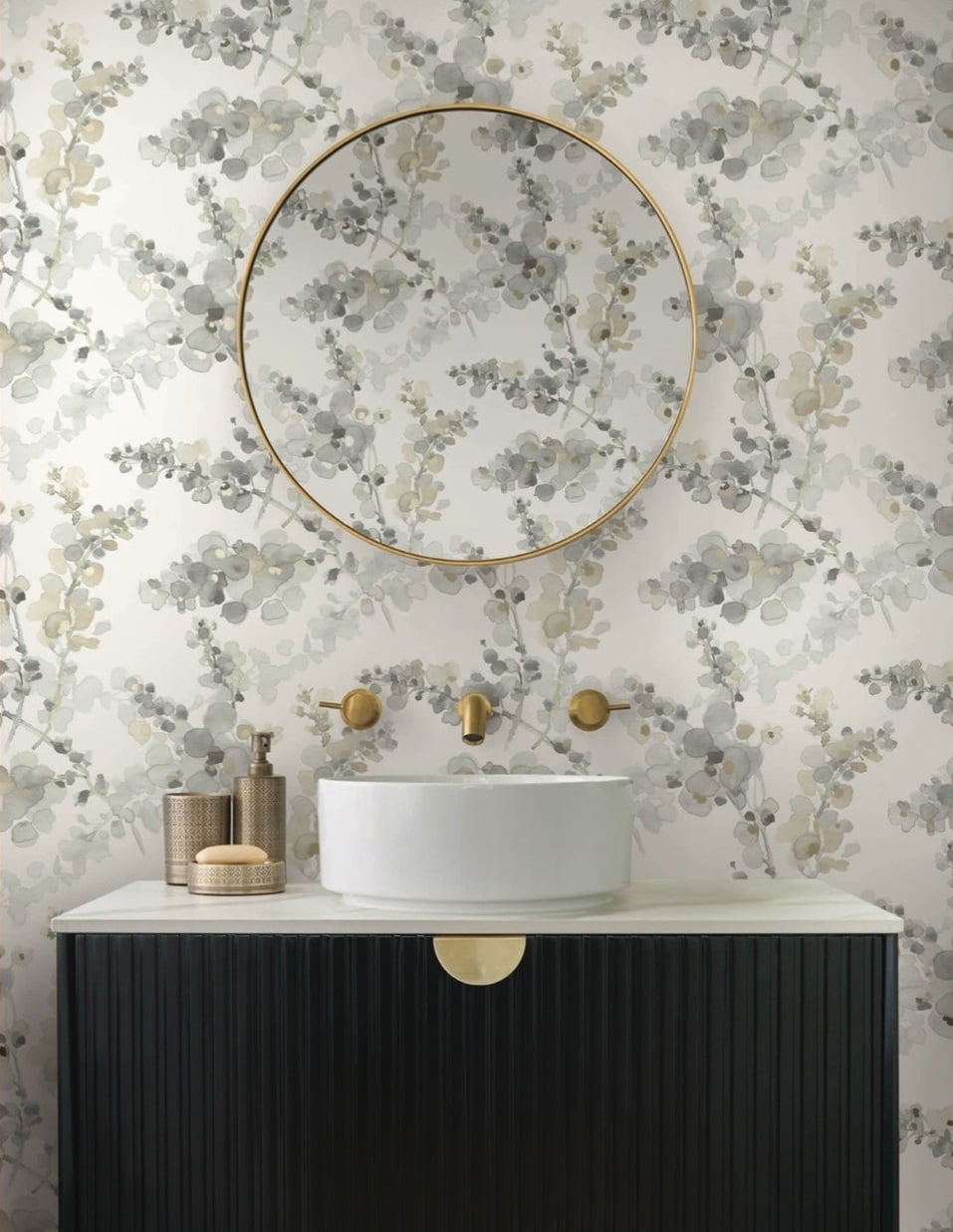
Wallpaper can absolutely work in a bathroom closet, but only if two conditions are met: the room has adequate ventilation, and you are using moisture-resistant wallpaper specifically rated for bathroom use. Regular wallpaper will peel within a year in a humid bathroom environment. The patterns that work best are smaller-scale, since bathroom closets are small spaces where large prints can feel overwhelming. A geometric repeat or a subtle botanical print creates visual interest without taking over. Trying a bold floral once in a small bathroom, not in a closet but just on the wall, and it was too much. Scale matters more than pattern in a small space, and if you are ever in doubt, a solid-color moisture-resistant paint is safer and just as effective at making the space feel finished.
The Details That Make Everything Work Better
Getting Lighting Right in a Bathroom Closet
A few related Pinterest references in the same visual family as the section above.
This is the most overlooked element in bathroom closet designs, and it makes the biggest difference in daily use. A poorly lit closet is a frustrating closet, no matter how well it is organized. Natural light through a window is ideal and rarely available. For artificial lighting, recessed ceiling fixtures give even coverage. LED strip lights mounted under shelves are a practical and inexpensive option. The adhesive kind you find for $20 to $30 online work fine for shelving as long as the closet is not overly humid. The one choice I would caution against is a single overhead bulb positioned at the front of the closet. It creates shadows at the back and makes it hard to see what is on higher shelves. Two light sources are almost always better than one, even if one of them is just a motion-activated under-shelf light.
Washer and Dryer Integration: More Possible Than You Think
A few related Pinterest references in the same visual family as the section above.
A washer and dryer in a bathroom closet is more realistic than most people expect. Stackable units fit in roughly 27 inches of width, which is within the range of most walk-in closets and some larger reach-in bathroom closets. The design approach that works is treating the laundry unit as its own zone. Surround it with closed cabinet panels that match the rest of the cabinetry so it looks intentional rather than like an appliance crammed into a leftover space. I have seen this done well in a narrow bathroom where the whole wall was fitted in the same paint color, and the washer door was the only visual indicator that laundry happened there. For smaller closets, consider a washer-dryer combination unit with a single drum rather than a stacked pair. These are narrower and work well in tight bathrooms.
Medicine Cabinets and Open Shelving Combined
Related garage setups in the same functional family: storage, work zones, and finishes that keep the space usable rather than decorative.
Medicine cabinets get used for more than medicine. In practice, they hold the things you want accessible but not visible, which is actually a solid organizing principle. Surface-mounted cabinets work in any bathroom. Recessed cabinets sit flush with the wall and feel more permanent. Either works; the choice is really about how much wall depth you have. For the things inside: daily medications and first aid items at eye level, backup supplies on lower shelves, and anything you rarely need at the top. The related piece is that open shelving next to or above the medicine cabinet can handle the visually interesting items: rolled towels, a small plant, a glass container with cotton rounds. This pairing of closed storage with open display is how bathroom closets end up looking organized rather than sterile. The same principle of mixing open and closed storage applies in other rooms too. If you are working on a guest room refresh, the combination of a covered cabinet and an open shelf is one of the easiest ways to make a space feel both functional and intentional. And if your bathroom has a particular design style you are working toward, looking at how mid century modern bathroom ideas handle storage can give you a clear framework for closet organization that what really matters over time.
Frequently Asked Questions
What is the best way to organize a small bathroom closet?
Start with adjustable shelving that matches your actual storage needs: taller spacing for towels, shorter spacing for product bottles. Add a rattan or wicker basket for rolled towels on a lower shelf, and use clear acrylic organizers for skincare and makeup. Organize everything by how often you use it, not by category.
What materials hold up best in a bathroom closet?
Moisture-resistant engineered wood and PVC-based cabinetry last the longest in humid bathroom environments. Laminate finishes over engineered wood are a practical middle ground: they look like real wood but resist warping. Solid hardwood can work in well-ventilated bathrooms but tends to expand and stick in humid conditions over time.
Should I use open shelving or closed cabinets in a bathroom closet?
Both work, and the best bathroom closets usually combine them. Closed cabinets hide backup supplies and anything that is not visually consistent. Open shelves work well for towels, decorative containers, and items you reach for every day. Open storage creates visual accountability, which helps you keep the space tidy.
Can I put wallpaper inside a bathroom closet?
Yes, but only moisture-resistant wallpaper rated for bathroom use. Regular wallpaper will peel quickly in a humid space. Smaller-scale patterns work better than large prints in the confined space of a bathroom closet. Make sure the room has adequate ventilation before committing to any wallpaper installation.
How do I add more light to a bathroom closet without rewiring?
Adhesive LED strip lights mounted under shelves are the easiest option and cost $20 to $30. Motion-activated battery-powered lights are also effective for small closets. Avoid relying on a single overhead bulb at the front of the closet, as it creates shadows toward the back and makes it hard to find things on upper shelves.