Closet Designs: Ideas That Earn Their Space

Closet designs look easy on Pinterest until you own twelve running shoes, three coat lengths, and a vacuum that does not fit in a labeled cube. I audit closets for a home who spent thousands on custom inserts that fight how they actually dress.
Good closet designs start with inventory, not Instagram. I make people pull everything out once and sort by frequency: daily, weekly, seasonal, sentimental. The frequency map drives rod height, shelf depth, and drawer count.
This article is the logic layer under pretty doors. Measurements, zones, lighting, and hardware matter more than basket color. If your layout is wrong, no amount of beige felt will save it.
Measure the Person, Not Just the Wall
Closet designs need human dimensions: shoulder width, reach height, longest hanging garment, shoe depth. I measure the tallest and shortest users in a household before I place a single rod.
A few related Pinterest references in the same visual family as the section above.
Double-hang sections work only when top and bottom rods clear coats and shirts without crushing hems. I sketch elevations on graph paper before ordering systems.
Drawer height should match contents: shallow for socks, deep for sweaters folded flat. Deep drawers for shallow items become messy graves you avoid opening.
Leave toe kick space at the floor. Closets that run storage to the baseboard collect dust and make shoe retrieval awkward.
Zones: Daily Path vs Long-Term Storage
Place daily items at eye level and arm’s reach. Closet designs that bury work blouses on high shelves guarantee floor piles by Thursday.
I assign one short rod zone for full-length items, one double-hang for shirts and pants, one long shelf for knit stacks. Seasonal bins go up high with labeled lids.
Accessories need dedicated real estate: shallow drawers for jewelry, divided trays for belts, hooks inside doors for bags you rotate weekly.
Vacuum and step stool storage must be planned or they migrate to the bedroom corner. I reserve one tall floor zone with a ventilated panel if needed.
Shelving Depth and Span Rules
Closet designs use twelve-inch depth for folded stacks, fourteen to sixteen for shoes in boxes, eighteen plus only if the closet is walk-in with clearance in front.
A few related Pinterest references in the same visual family as the section above.
Shelf spans over thirty-six inches need center support or they bow. I specify brackets on studs, not drywall anchors alone, for heavy sweater loads.
Open shelf ends benefit from a lip or bin so stacks do not dive off when you grab the bottom shirt. Pretty is secondary to physics.
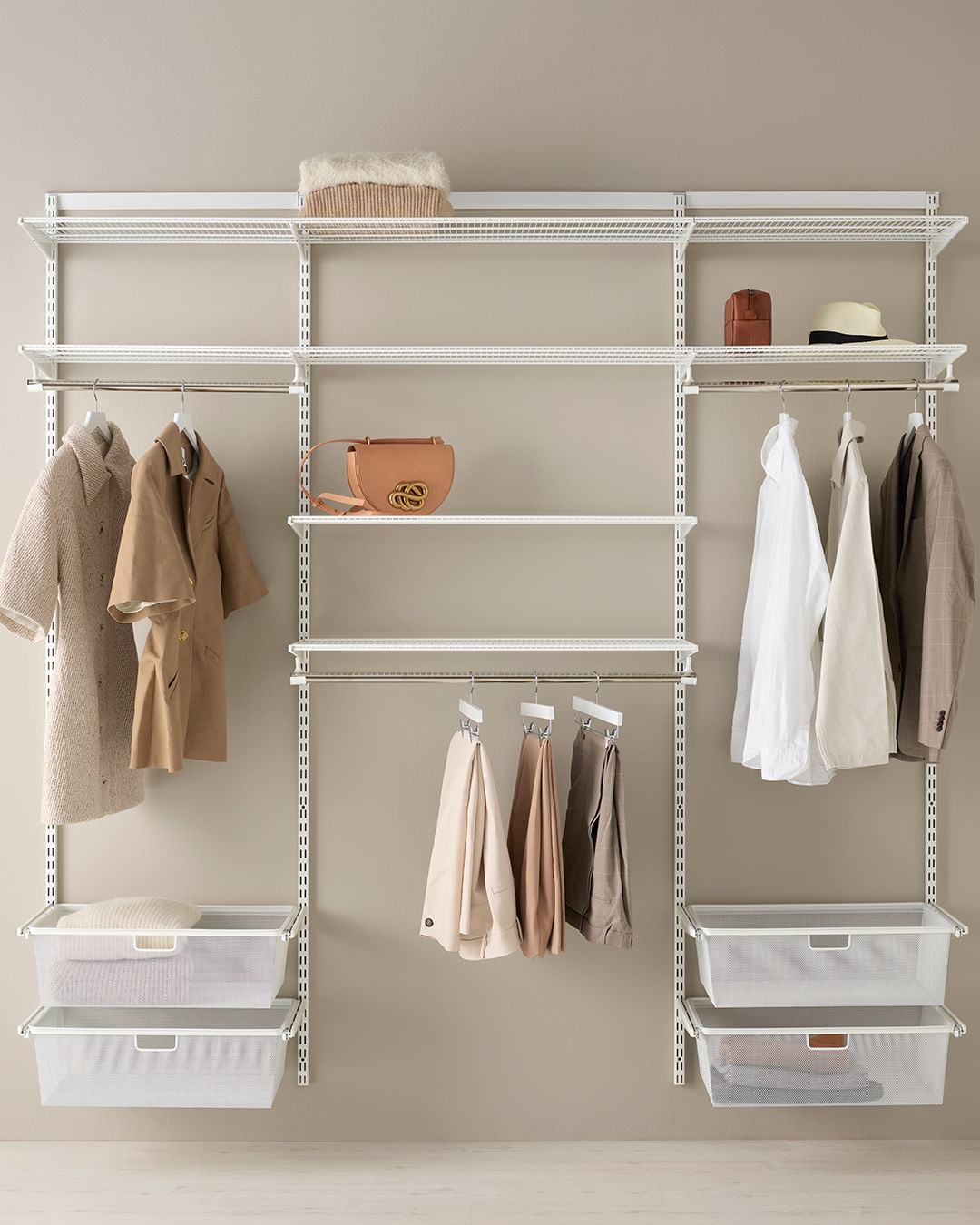
Wire systems ventilate but snag delicates. I mix solid shelves for stacks and ventilated shoe shelves to balance airflow and snag risk.
Lighting and Visibility
A closet with one ceiling shadow is a closet where black pants duplicate. Closet designs need front-facing light on rods, not just a bulb behind you.
I specify LED strips on a motion sensor for walk-ins and battery puck lights for reach-in doors. Color temperature 3000K reads fabric color accurately enough for morning rush.
Mirror placement belongs on the door or one side wall, not opposite clutter you do not want doubled visually.
If wiring is impossible in a rental, rechargeable motion bars with warm output beat dark mornings. Document recharge day on your calendar like smoke detectors.
Hardware and Drawer Quality
Soft-close is not luxury in busy households; it is how doors survive teenagers. Closet designs should budget hardware before fancy finishes.
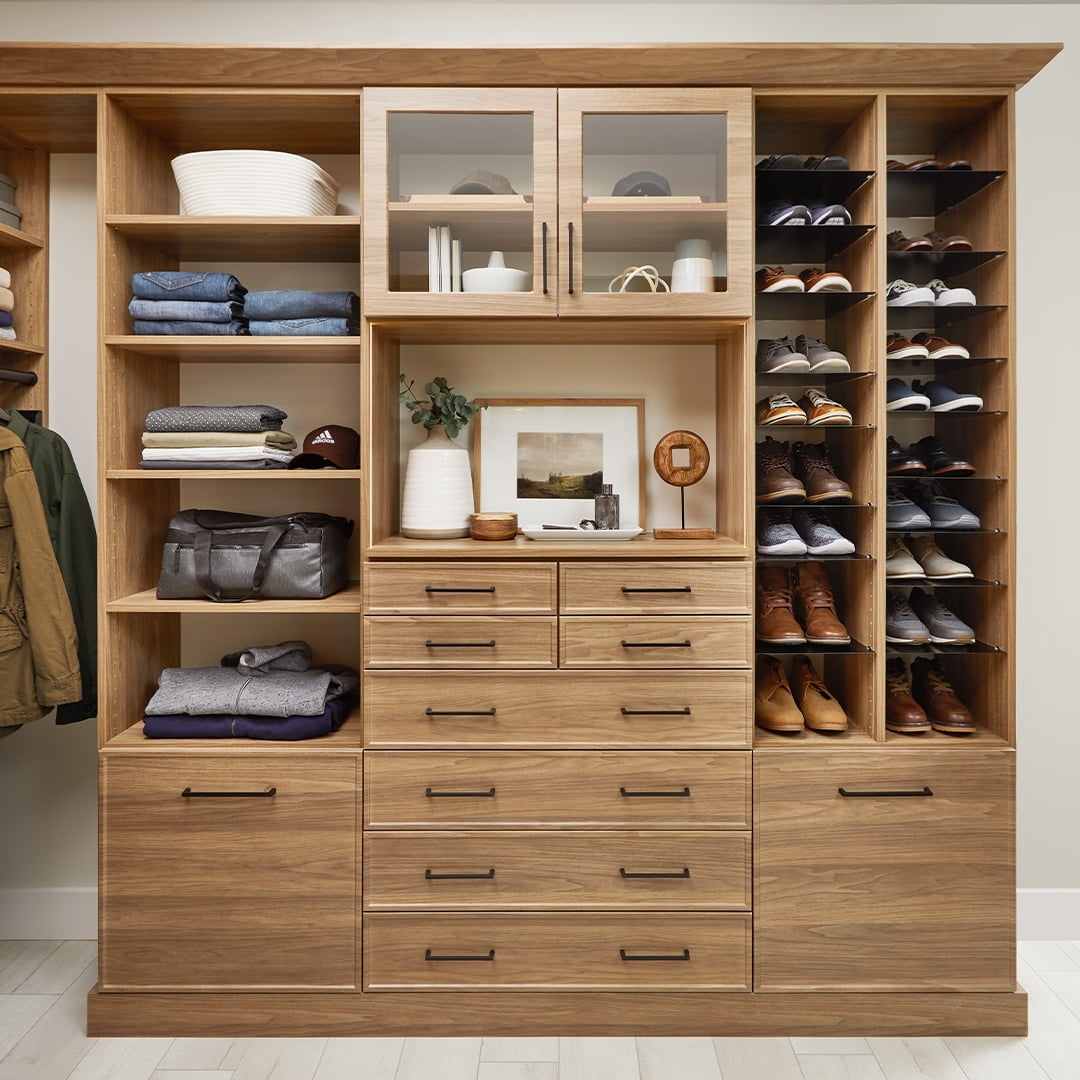
Full-extension drawer slides let you see the back row. Three-quarter extension guarantees lost scarves.
Rod flanges must hit studs or use backing boards. I have seen custom installs rip out of drywall under winter coat weight.
Hooks belong on solid blocking. Over-the-door hooks work temporarily but warp cheap doors. I prefer screwed hooks on side walls at hip and shoulder height.
Maintaining the System After Install Day
Closet designs die when one-size-fits-all rules meet shopping habits. I schedule a thirty-minute seasonal reset: purge, rehang, relabel.
One in, one out for hangers prevents rod collapse. If hangers multiply, inventory grew without permission.
Photograph the organized state and compare monthly. Drift is normal; uncorrected drift becomes a new baseline of chaos.
For room context when closets are tight, review design basics on circulation. Sometimes the fix is less furniture in the bedroom, not more closet inserts.
Kids, Partners, and Shared Closet Politics
Closet designs for couples need labeled zones even when love is strong. I assign left/right or color-coded hangers to prevent silent resentment.
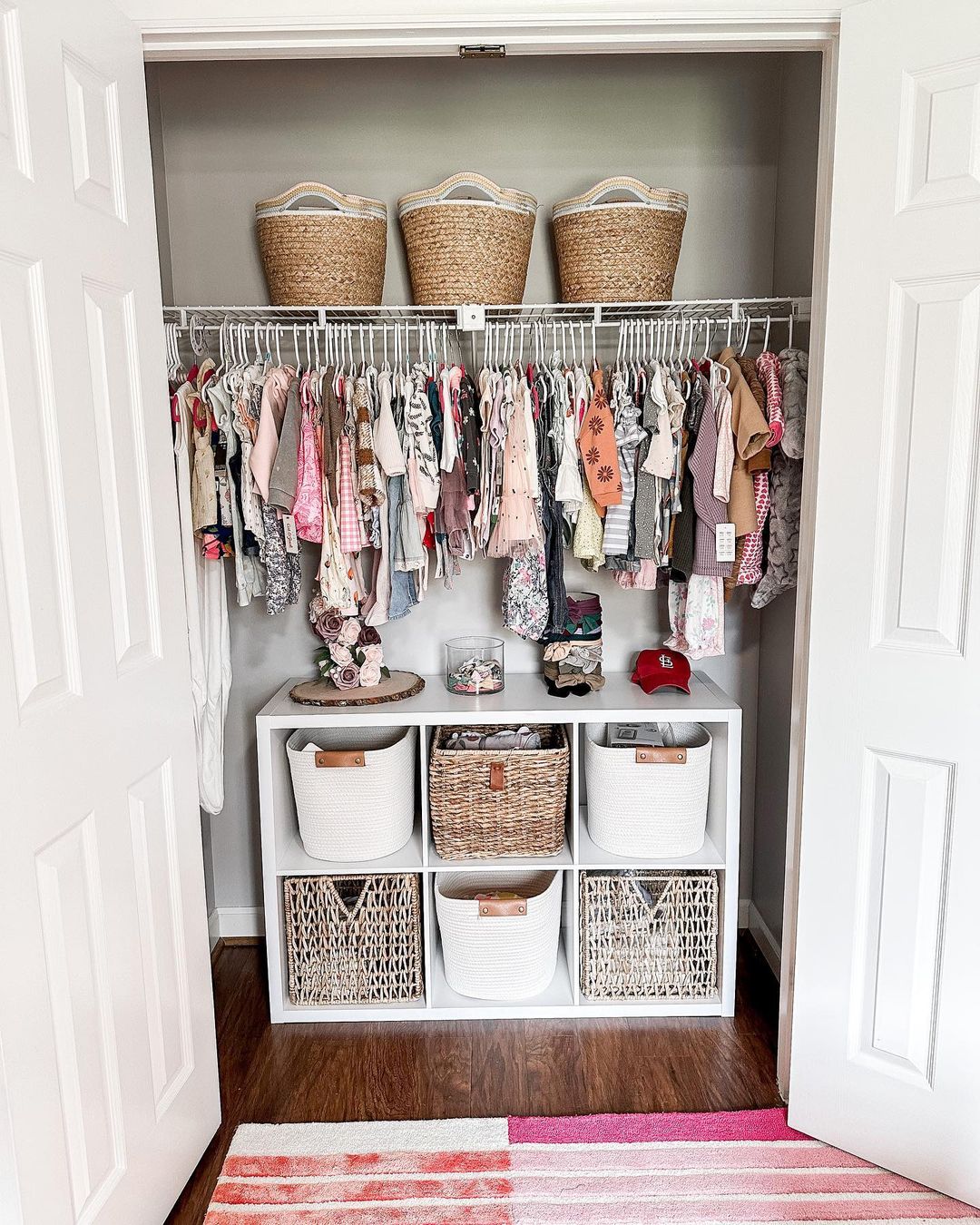
Kids closets need lower rods and reachable bins. Adult-height only guarantees floor piles by Tuesday.
Growth planning matters: adjustable rods pay for themselves in children’s closets within two seasons.
Shared entry closets need shoe rules: pairs toe-out, max pairs per person, seasonal swap bin by the door.
Specialty Storage: Boots, Bags, and Bulky Items
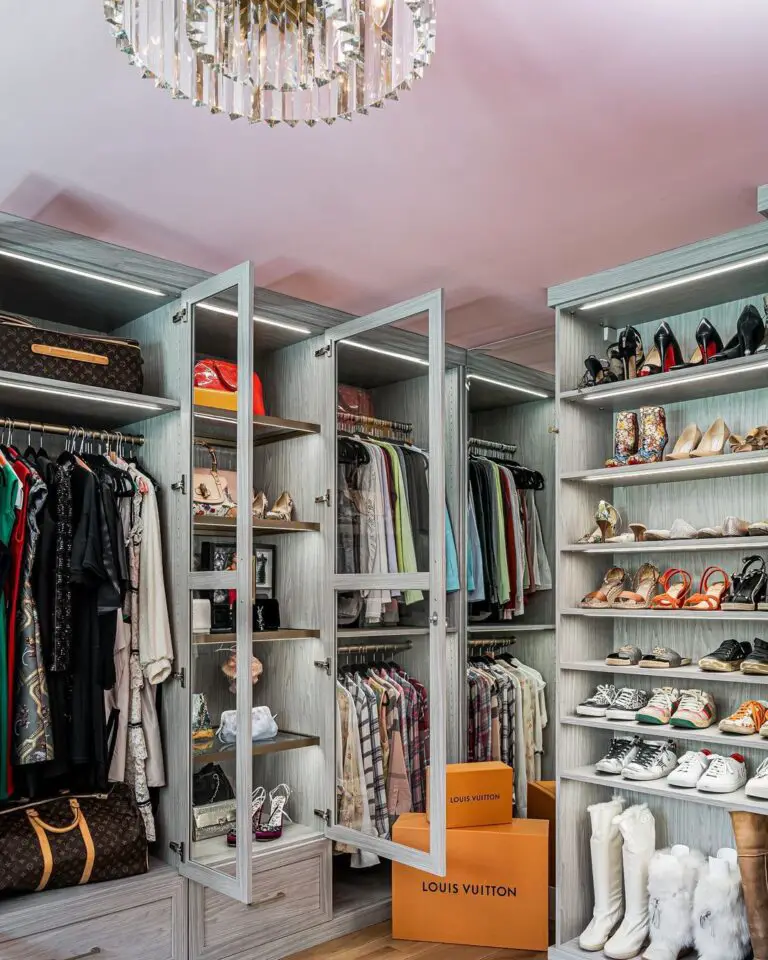
Boot shafts need tall cubbies or hanging clips, not crushed shelves. Closet designs that ignore boot shape ruin leather creases.
Handbags benefit from shelf cubbies with dust bags, not door hooks that warp straps.
Bulky sweaters on shelves need folding templates or they stack into unstable towers.
Travel luggage belongs on high shelf or under bed, not middle reach zone that blocks daily clothes.
Custom vs Modular: When Each Wins
Modular systems win in rentals and when layouts may change. Closet designs with adjustable pin holes adapt to wardrobe shifts.
A few related Pinterest references in the same visual family as the section above.
Custom wins in odd angles, sloped ceilings, and luxury homes where millwork matches trim exactly.
I hybridize: custom boxes in walk-in niches, modular everywhere else for budget sanity.
Compare line-item cost per linear foot before assuming custom is always better. Sometimes one custom island plus modular perimeter is the sweet spot.
Closet Doors and Visual Calm
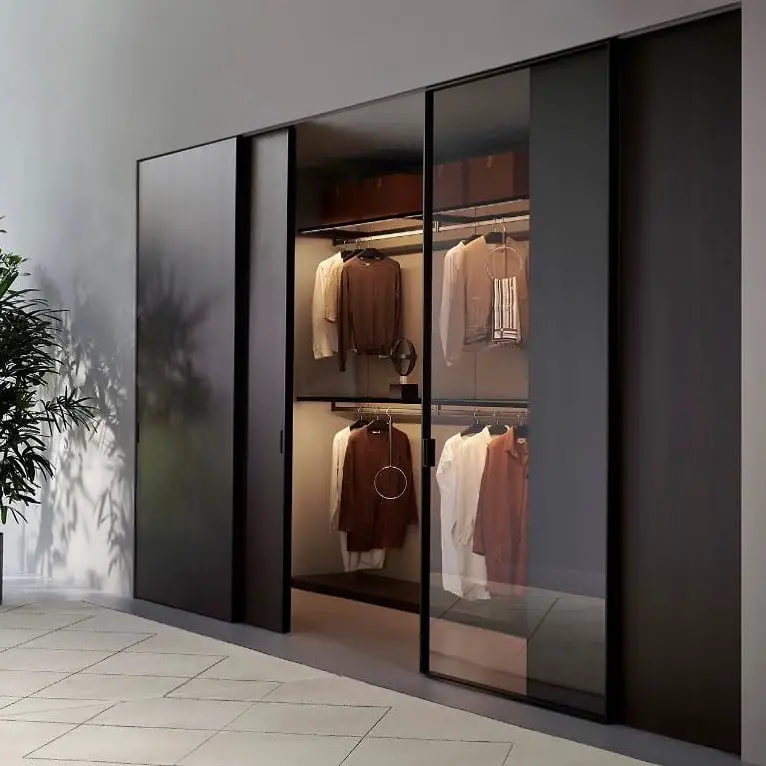
Sliding doors save swing space but hide mess temptation. Closet designs need internal discipline even when doors close.
Glass doors display color stories beautifully but demand constant editing. I use glass only when clients enjoy weekly reset.
Mirrored doors multiply light in dark bedrooms but show finger grime fast. Budget cleaning time or skip mirror.
When budget is tight, borrow ideas from home decor for baskets and labels after the rod math is correct.
Closet designs work when they match how you dress, reach, and maintain. Measure people, zone by frequency, light the rods, and buy hardware that survives daily slamming.
Before you order custom, tape zones on the wall with painter’s tape for a week. Live with the layout mockup. It is cheaper than rebuilding melamine. See interior design styles when you want adjacent ideas.
A few related Pinterest references in the same visual family as the section above.
A few related Pinterest references in the same visual family as the section above.
A few related Pinterest references in the same visual family as the section above.
A Closet Audit I Still Use With Clients
Before I order a single shelf, I ask clients to live out of laundry baskets for three days while everything else stays on the bed. It sounds dramatic. It is the fastest way to learn what they actually reach for.
The items that never leave the basket become candidates for donation or high-shelf exile. The items they dig for twice a day get eye-level real estate. Closet designs that ignore this sequence always look organized on install day and collapse by week three.
I measure shoulder width and longest garment before rod height. A double-hang that crushes coat hems is not clever storage. It is a daily annoyance that trains people to leave coats on chairs.
Lighting is non-negotiable in dark reach-ins. A single ceiling bulb behind your head creates duplicate black pants. Front-facing warm LED on the rod pays for itself the first morning you stop buying the same shirt twice.
For shared closets, I assign zones with painter tape for a week before hardware goes in. Couples argue less about systems they have already tested with fake boundaries. Tape is cheap. Custom millwork regrets are not.
Hardware and Habits That Keep Closets Honest
Soft-close hardware is not luxury theater in a busy household. It is how doors survive teenagers and early alarms.
Full-extension slides matter more than fancy drawer fronts. If you cannot see the back row, that row becomes a lost-and-found.
I schedule a thirty-minute seasonal reset on the calendar like a bill due date. Purge, rehang, relabel. Systems die from optimism, not from bad shelving.
Photograph the organized state once. When drift starts, compare. People argue with memory. Photos settle the argument.
If the closet still overflows after a good layout, the problem may be bedroom furniture stealing circulation. Sometimes the fix is less dresser, not more insert.
When Custom Is Worth It
Custom millwork wins in odd corners, sloped ceilings, and homes where trim matching matters to resale.
Modular wins in rentals and for people whose wardrobe changes every two years. Adjustable pin holes are underrated.
I often hybridize: one custom niche for awkward architecture, modular everywhere else. That mix protects budget without looking unfinished.
Compare cost per linear foot with labor included before assuming custom is always the grown-up choice. Sometimes it is vanity math.
FAQ
How deep should closet shelves be?
Twelve inches for folded clothes, fourteen to sixteen for shoes. Deeper shelves need walk-in clearance in front.
Double hang or single hang?
Double hang for shirts and pants if ceiling height allows forty inches between rods. Long items need dedicated single sections.
Are wire systems bad?
Not inherently. They ventilate well but snag delicates. Mix solid shelves where stacks live.
What lighting is best?
Front-facing warm LED on rods or shelves. Overhead-only light casts shadows on clothes.
How often should I reset?
Seasonal deep reset plus a monthly ten-minute hanger purge keeps systems honest.