Innovative Closet Designs: What Actually Makes Them Work

I spent three weekends rearranging a reach-in closet before I accepted that the problem wasn’t my storage bins. It was the closet itself. When I finally redesigned it using a track-based system, I lost about two inches of usable depth but gained access to everything I owned. That tradeoff taught me more about innovative closet designs than any styled Instagram grid ever did.
The closets that actually work aren’t always the biggest or the most beautifully organized on paper. They’re the ones designed around how you actually use a space on a Wednesday morning when you’re running late. Here’s what I’ve learned after two full closet redesigns and one garage overhaul in my Austin house.
The First Design Decision Nobody Warns You About
Walk-In vs. Reach-In: Why the Footprint Tells You What to Prioritize
Walk-in closets are not automatically better than reach-in closets. This sounds obvious until you’re standing in a 5×7 walk-in that has two hanging rods, three shelves, and absolutely no lighting, and it performs worse than a well-organized reach-in half its size. The footprint of a walk-in gives you visibility and physical access to your clothes, but only if the interior is designed with zones.
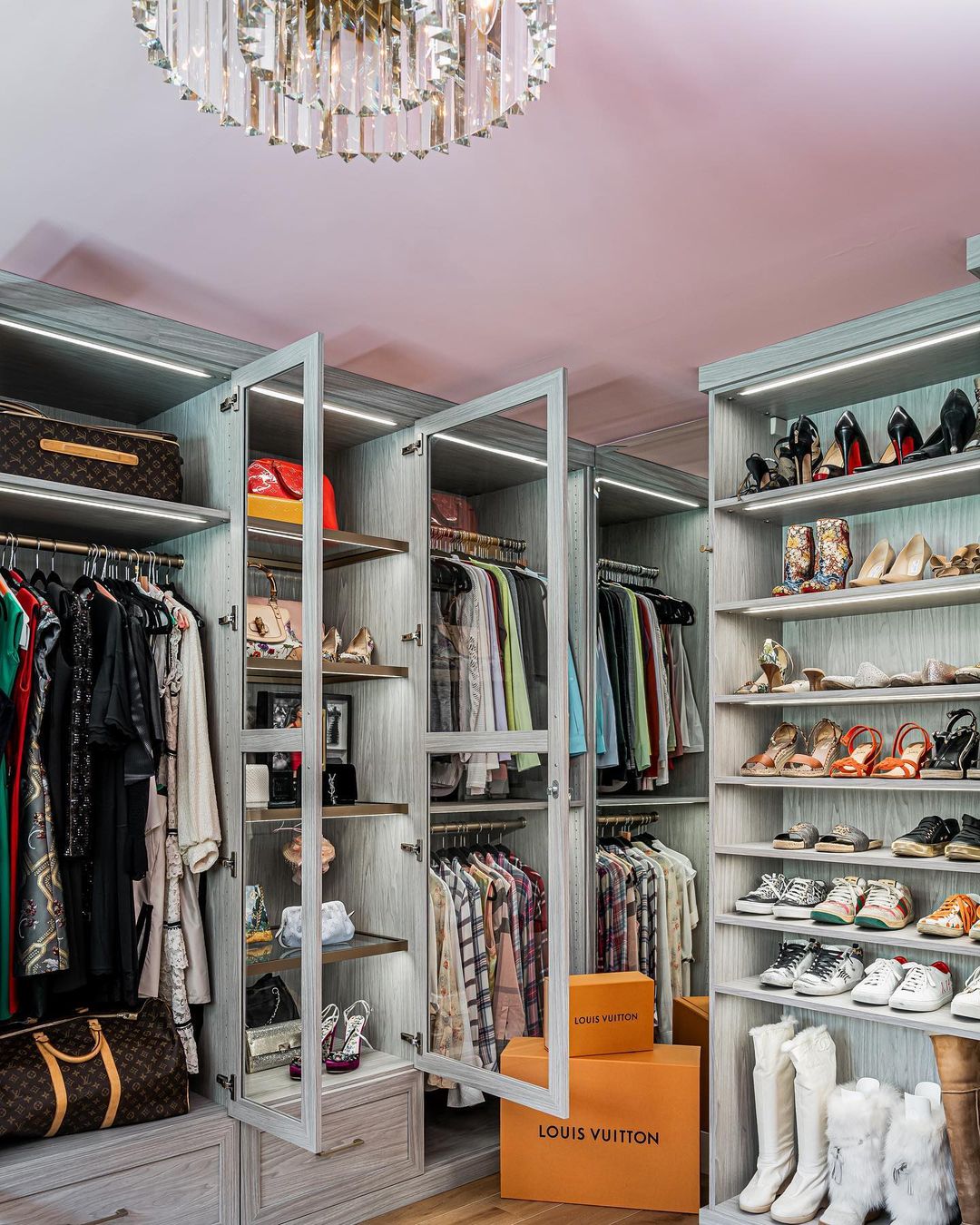
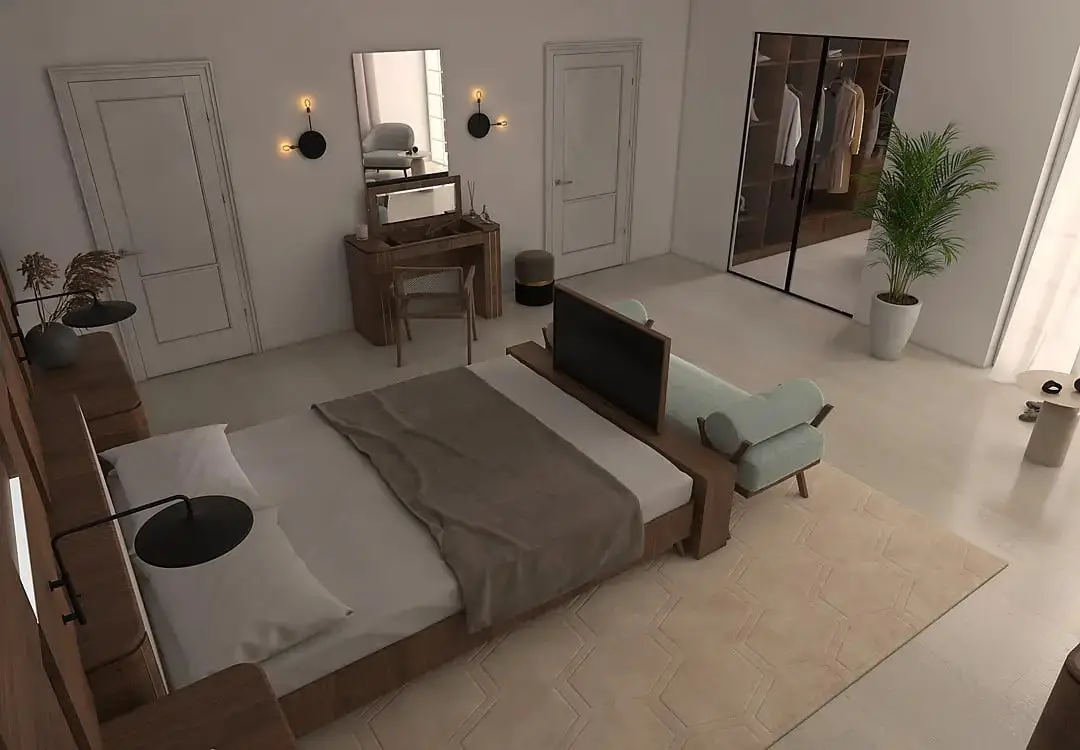
The key principle is zoning: long hang, short hang, folded items, shoes, and accessories should each have a designated area. I’ve seen this work in closets as small as 4 feet wide when the layout was planned around actual garment lengths. What fails most often is when someone drops in a single long hanging rod across the entire back wall and calls it done. That setup works fine for floor-length dresses, but it wastes roughly 40% of the vertical space underneath shorter items like shirts and jackets. A well-designed minimalist bedroom almost always gets this part right because there’s no room for waste.
Adjustable Shelving as a Starting Point, Not an Add-On
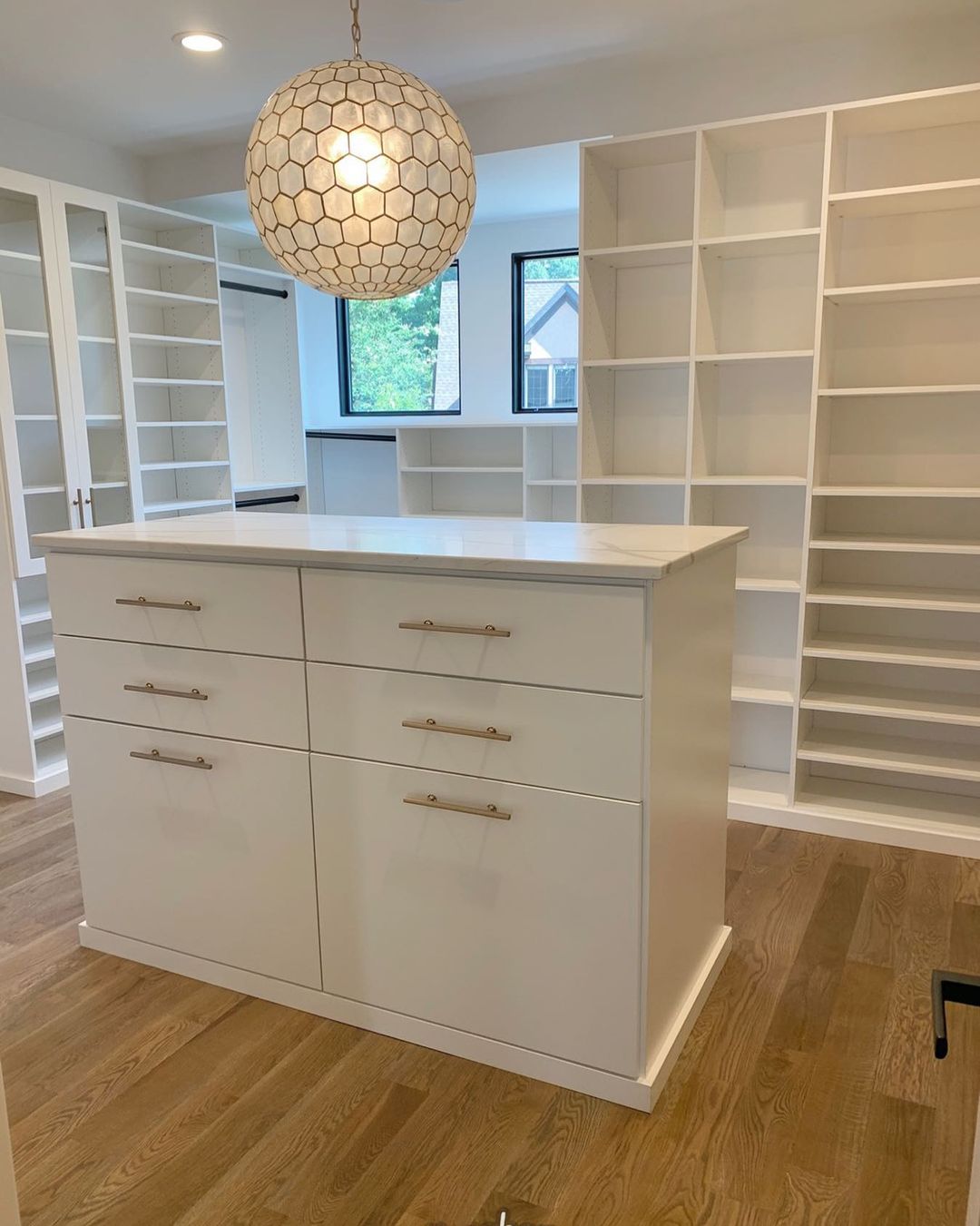
The word “adjustable” gets attached to a lot of closet systems as a selling point, but there’s a meaningful difference between shelves that are technically adjustable and shelves you’ll actually readjust as your life changes. Fixed-peg systems require you to clear out the shelf, find a screwdriver, and rearrange adjacent shelves to shift one panel. Track-based systems let you slide a shelf up six inches on a Sunday afternoon without unpacking anything first.
When I redesigned my master bedroom closet, I went with adjustable melamine shelving on a vertical track system. Rubbermaid Configurations was what I used, mid-range at around $150 for one wall section. Three years later I moved the top shelf down four inches when I started storing larger overnight bags there. That one change made the whole closet feel purpose-built instead of like something I had settled for and never touched again.
What Shelving Material Actually Costs You
Laminate vs. Melamine vs. Solid Wood: The Honest Breakdown
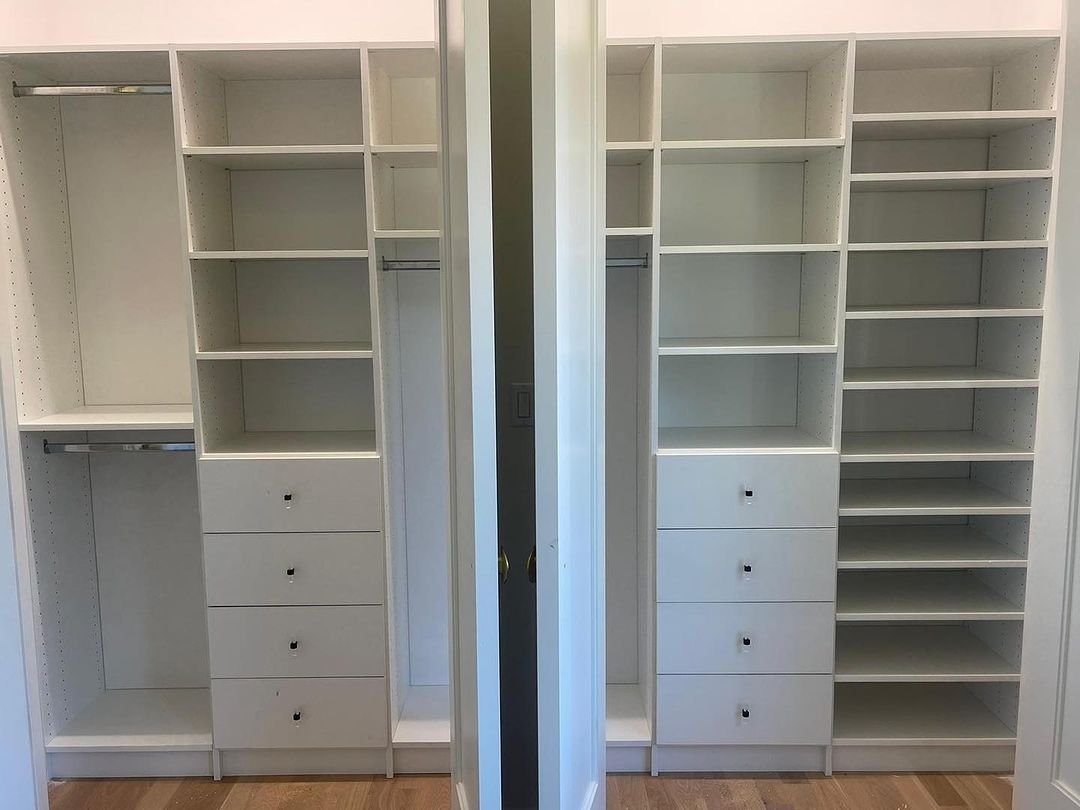
Most people buying closet systems for the first time confuse laminate and melamine. Laminate is typically a photographic layer applied over particleboard, and it tends to peel at the edges after a few years of humidity changes, especially near a bathroom or an exterior wall. Melamine is a harder resin fused under heat directly to the board surface. It holds up better, takes edge-banding cleanly, and doesn’t sag as quickly under loaded shelves.
Solid wood is the premium option, but it moves with humidity, which means you can get gaps and warps in climates where summer and winter are dramatically different. Melamine is the right call for a humid climate like Austin or Houston. Solid wood makes more sense in a dry climate like Phoenix or Denver. That’s a piece of advice nobody gave me before I started, and it would have saved me one replacement shelf in year two.
The Open Closet Problem Nobody Posts About
Open closets look stunning in photos and become stressful in real life. I went through an open-closet phase for about eight months, inspired by exactly this kind of styled shoot with color-coded clothing and matching hangers. Everything looked perfect for about two weeks. Then laundry happened, and then a stretch of unusually busy weeks, and the open system became a daily reminder of everything I hadn’t put away yet.
Open systems require ongoing curation. They work well for people who genuinely treat clothing as a curated collection and have the routine to maintain it. If you have a mix of workwear, gym gear, and weekend clothes sharing the same space, a semi-open design with some closed drawers and cabinets at the bottom is more honest about how most people actually live. The key is not hiding everything, but being selective about what stays visible.
Hardware Quality and Where Not to Cut the Budget
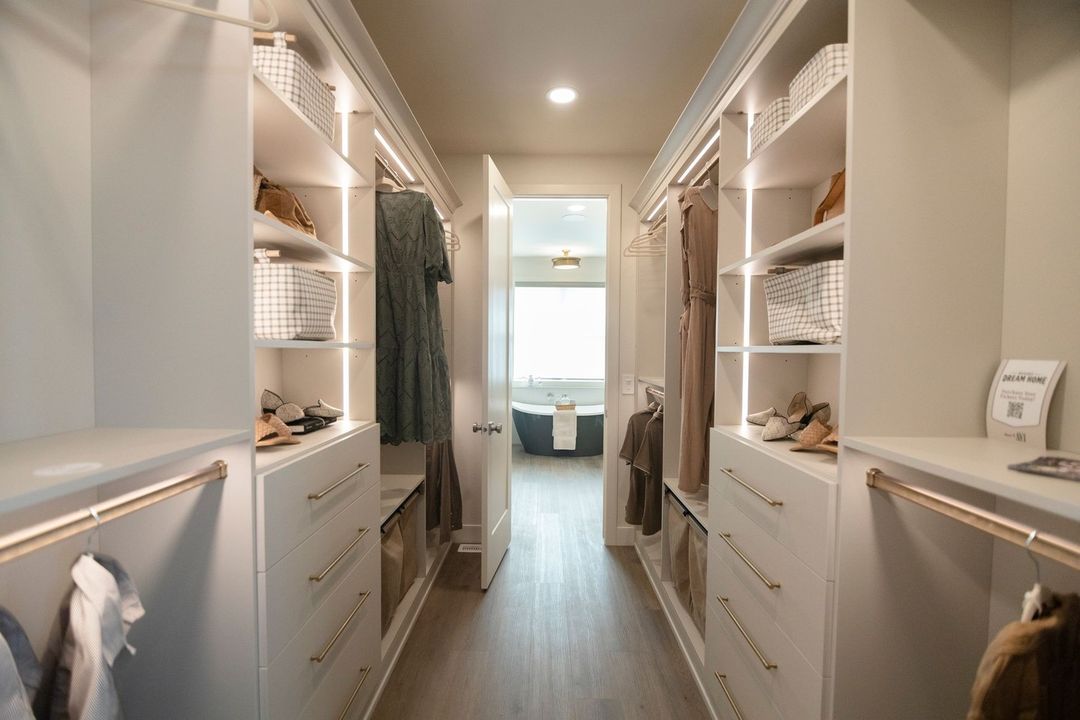
Drawer slides are where budget closet systems fall apart fastest. Soft-close undermount slides, Blum makes the standard at around $15-25 per pair, last significantly longer than the cheap roller-ball slides that come on most entry-level systems. The difference becomes obvious within the first year. I replaced three drawer slides on a cheap system after 18 months. If I’d specified better hardware upfront, the total cost over two years would have been roughly the same, with none of the frustration.
Hanging rods are the other area worth spending on. Fluted chrome rods hold more weight than hollow aluminum ones and don’t bow in the middle over time. A bowing rod is one of those problems that seems minor until it’s affecting every hanger on that section. Buying a solid 3/4-inch chrome tube for $20 instead of a $8 hollow rod is one of the better value calls in any closet project.
Mirrors, Light, and the Practical Use of Space
Built-In Mirrors That Earn Their Square Footage
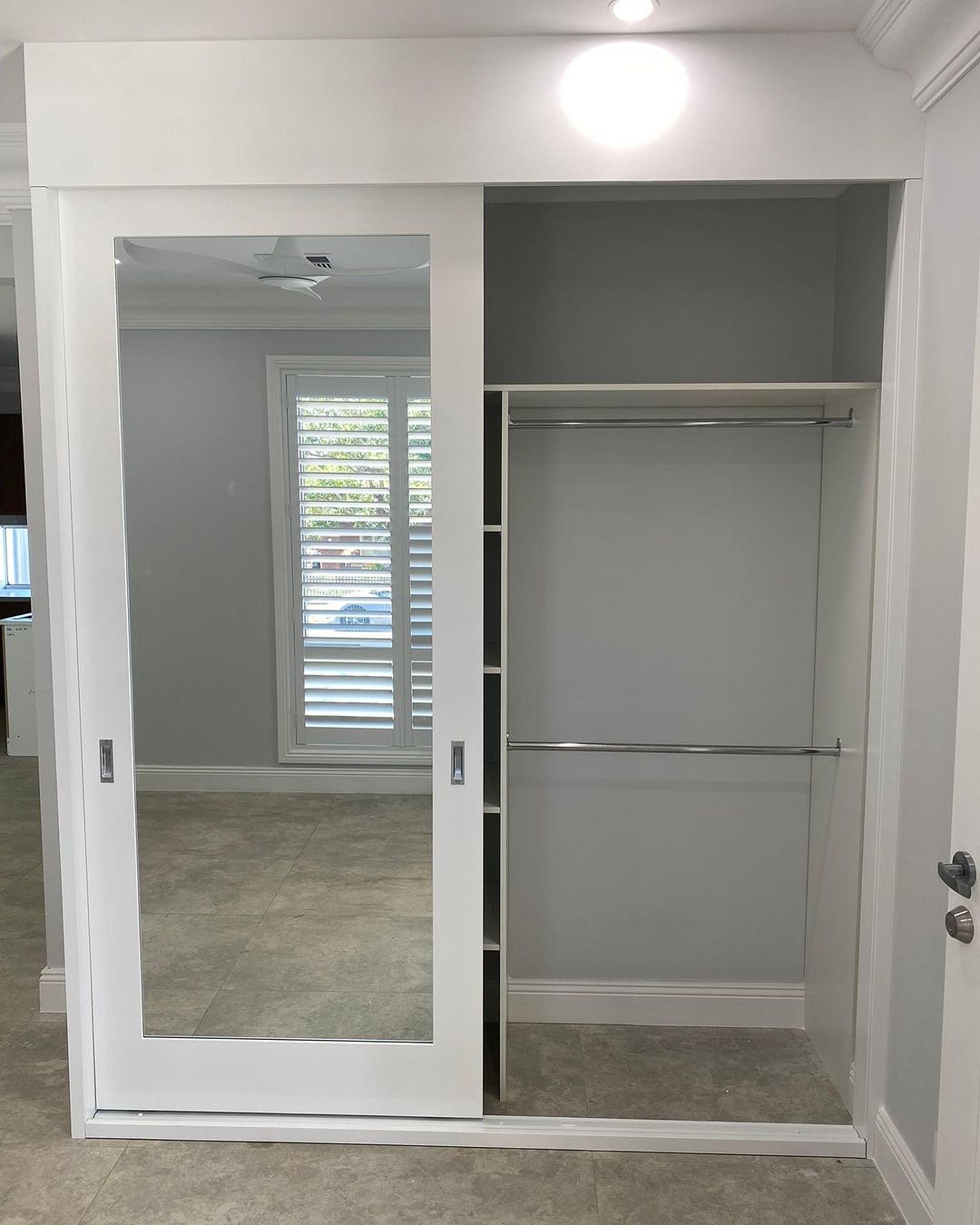
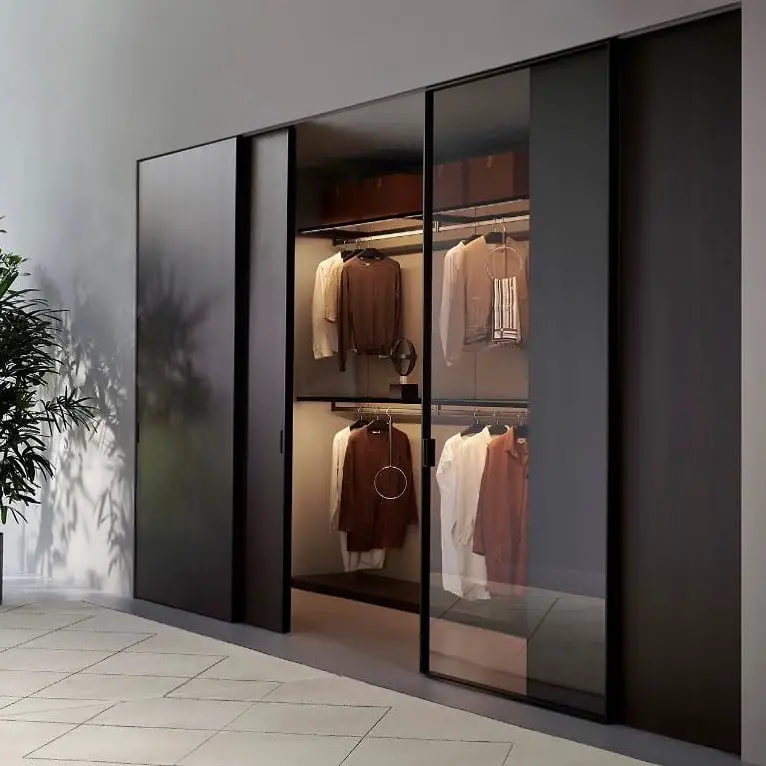
Full-length mirrors integrated into closet door panels are one of the few closet features where form and function genuinely align. They eliminate the need for a separate mirror in the bedroom, which in smaller rooms is a real space saving. The design principle is sightlines: a mirror positioned at the end of a walk-in or along the door panel lets you see a full-length view without stepping out of the closet to find a clear wall.
One thing I’ve noticed across multiple installations: the frame matters more than the glass quality. Frameless panels look clean but chip at the edges over time, particularly along the bottom corners where they absorb impact. A simple brushed nickel or painted wood frame protects the mirror’s longevity and visually connects it to the rest of the hardware. It’s a small detail that makes the difference between something that looks intentional and something that looks like an afterthought stuck on at the end.
Hidden Storage That Requires an Upfront Plan
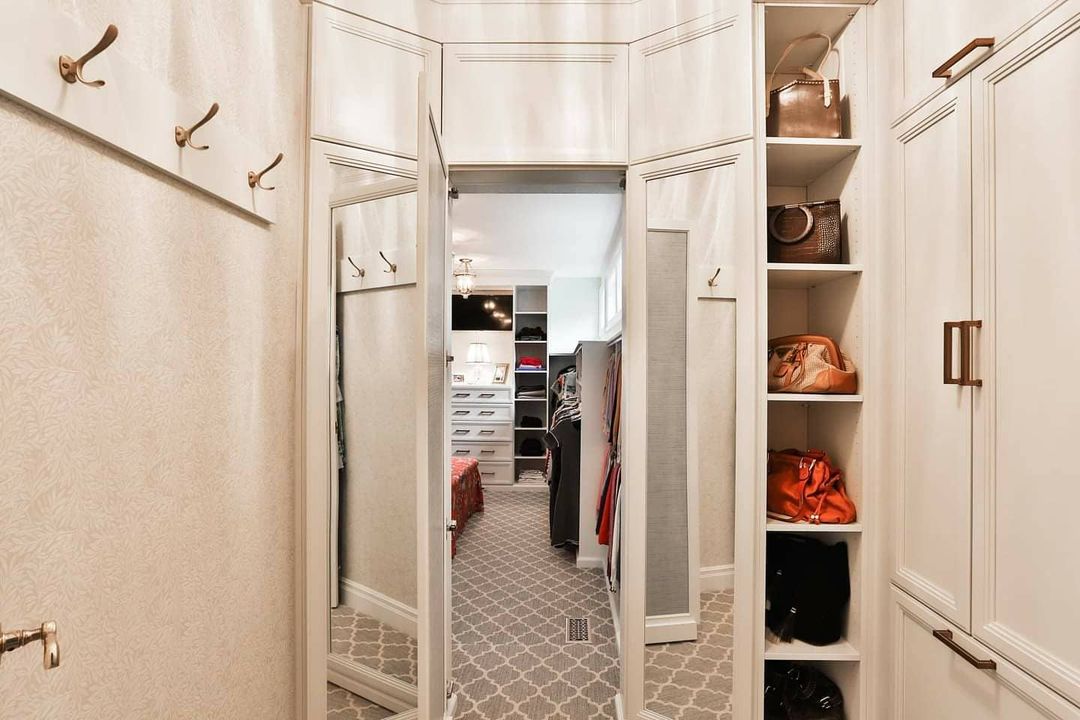
Hidden storage, pull-out accessory trays, concealed hamper drawers, jewelry inserts behind a panel, only works when it’s part of the original design. I tried retrofitting a pull-out hamper into an existing built-in and it required removing two shelves and reframing the interior. Worth it in the end, but about four hours more work than it should have been, and the result was never quite as clean as a factory-built version would be.
The question to ask before building: which items do I access daily, which weekly, which seasonally? Daily-access items should never go behind a panel, because the friction of opening a hidden compartment is enough to break the habit within a week. Hidden storage works best for jewelry and formal accessories, off-season items, and anything you want to keep protected from dust or light.
Getting the Lighting Right in a White Walk-In
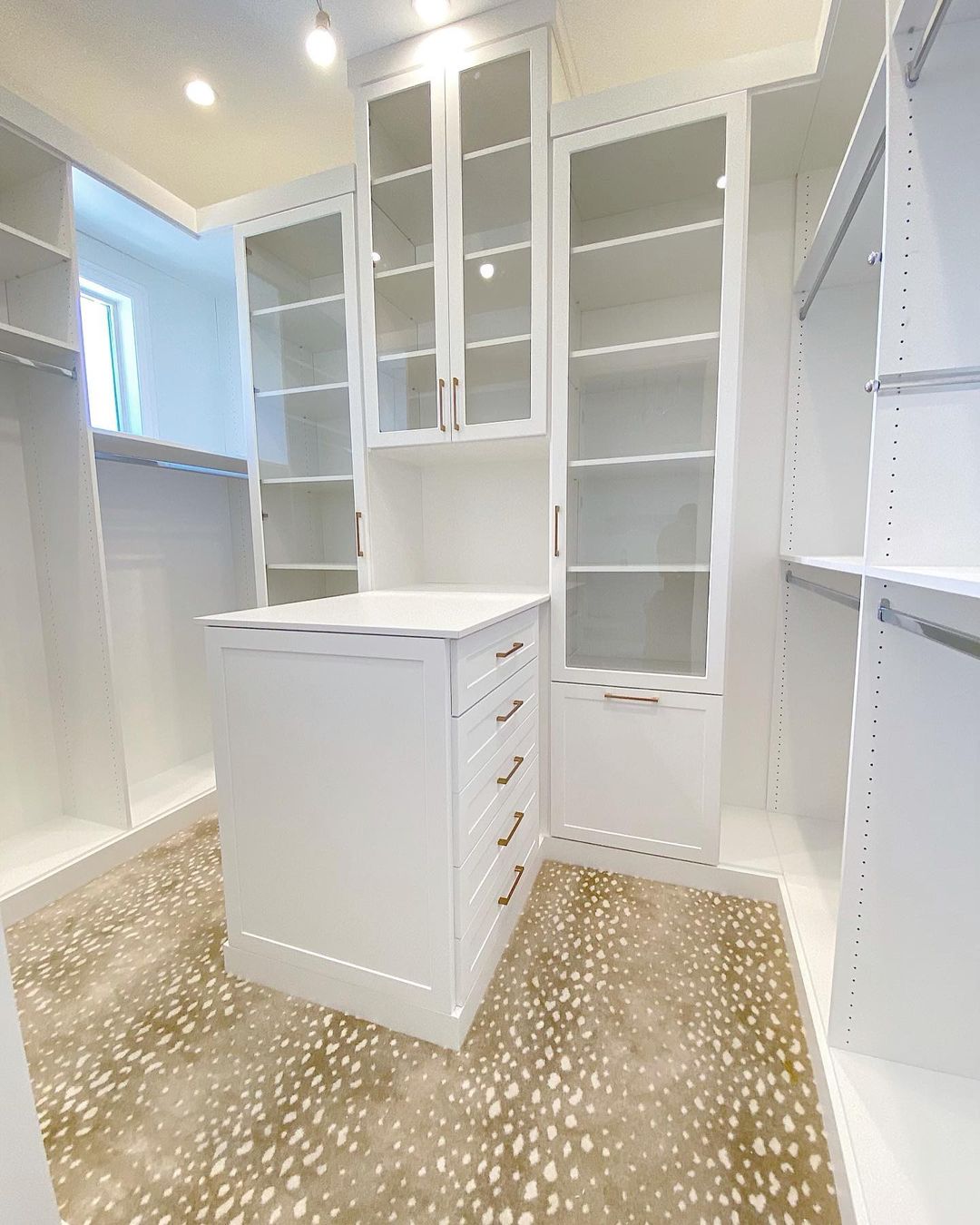
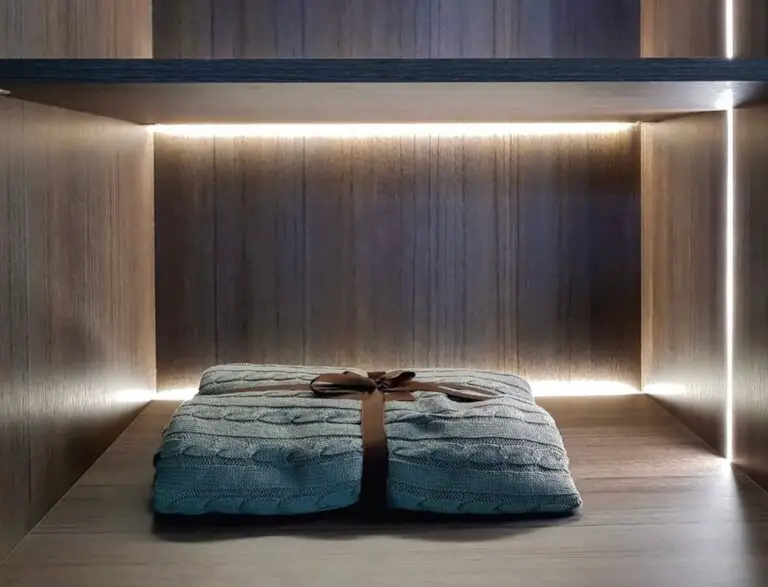
Lighting in closets is one of the most overlooked elements in innovative closet designs. A white interior helps reflect whatever light you have, but it doesn’t solve the problem of a single ceiling fixture that casts shadows in every corner. Undershelf LED strip lighting is the most cost-effective fix. A motion-sensor LED strip set for under $30 comes on when you open the door and cuts off automatically, so you’re never fumbling for a switch at 6 a.m.
Contrary to what most closet guides suggest, recessed ceiling cans are not the best primary light source for a walk-in closet. They point straight down, which means your clothes are lit from above but the shelf labels, drawer fronts, and anything stored at eye level ends up in shadow. Task lighting at shelf level, supplemented by a general ceiling source, gives you actual visibility across the full depth of each shelf. It’s one of those things that seems obvious after you’ve experienced both options.
Taking Innovative Closet Designs Beyond the Bedroom
Garage Closets Need a Different Set of Rules
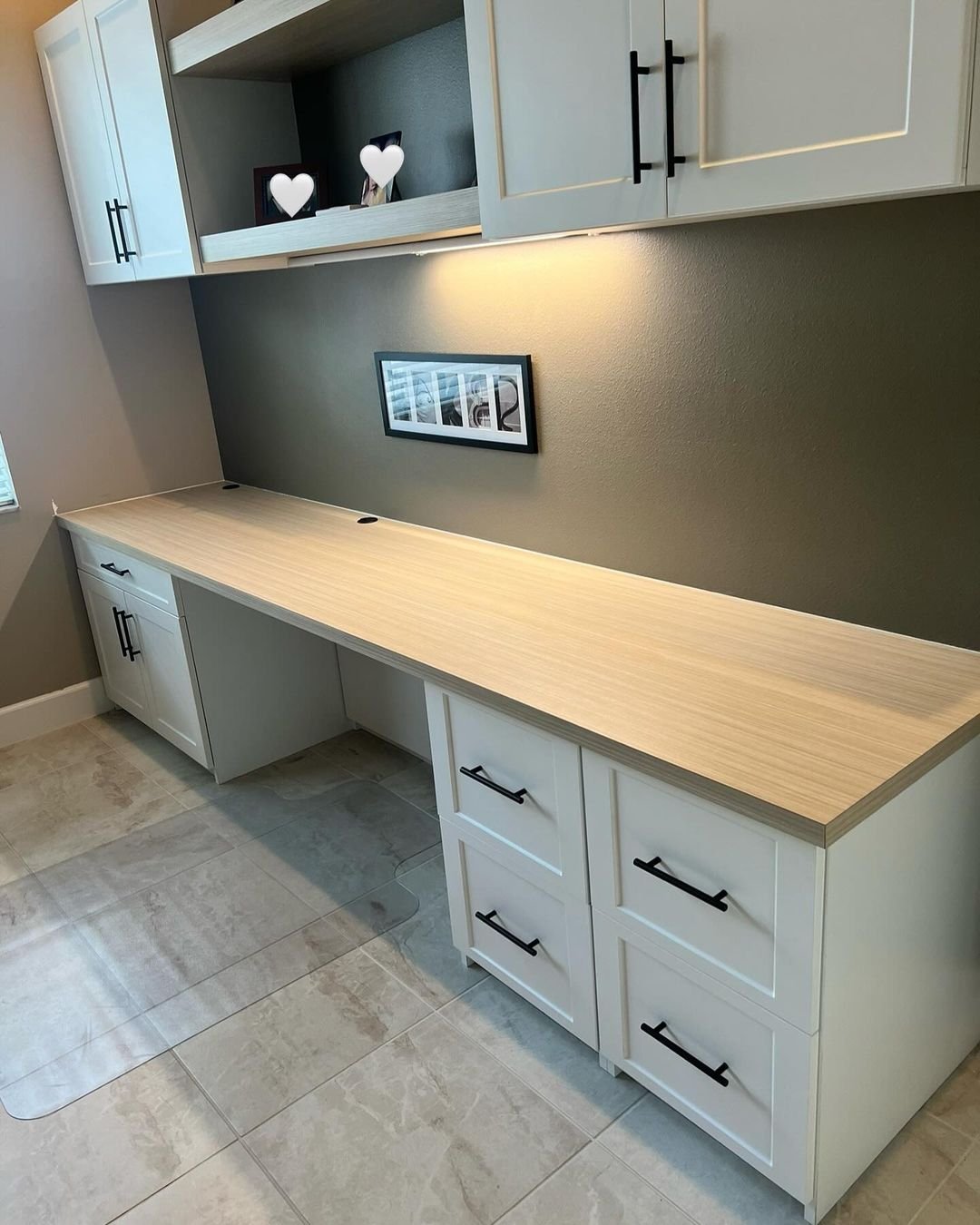
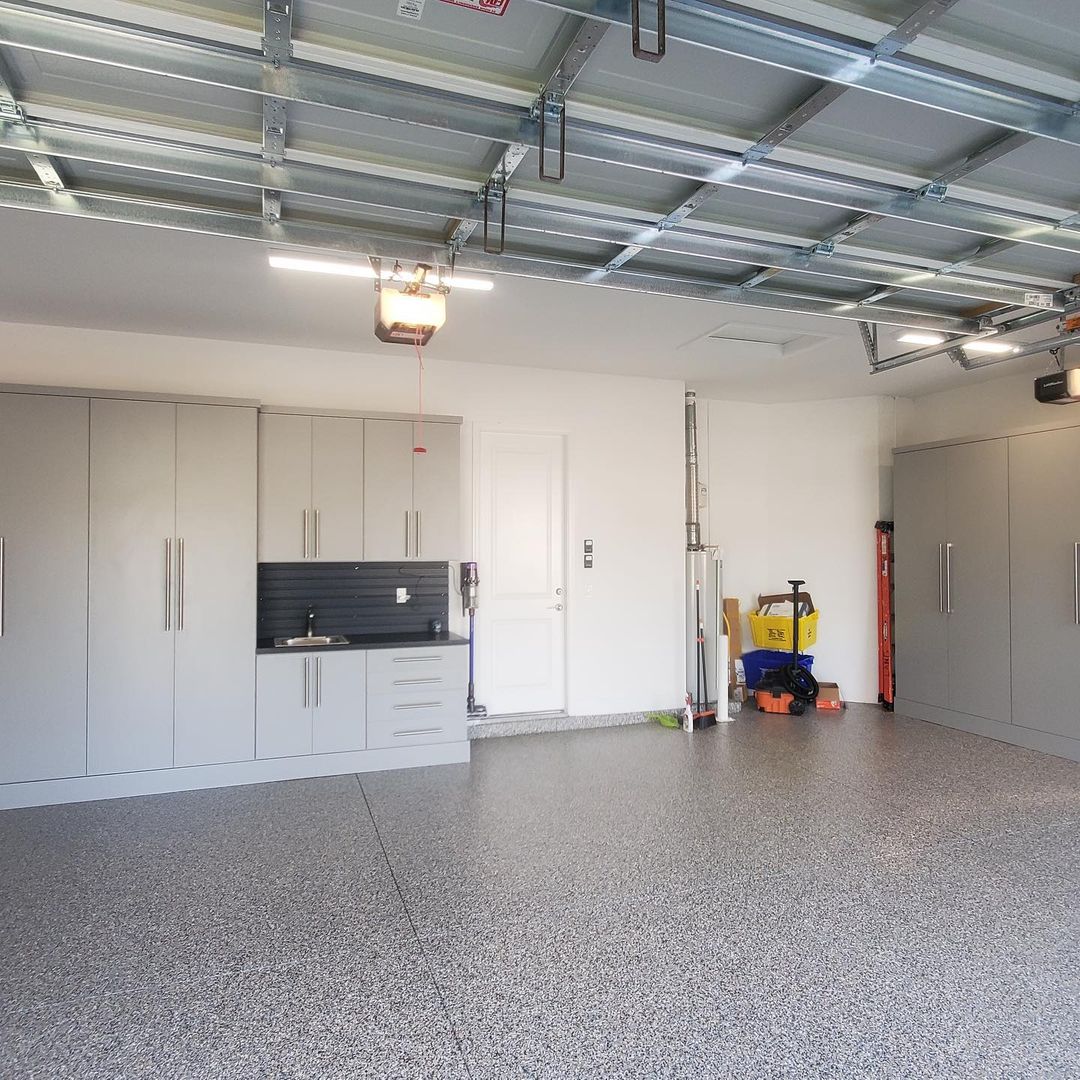
Garage storage design operates on different principles than bedroom closets. The items are heavier, the humidity swings are more extreme, and the organizational categories are fundamentally different: tools, sports equipment, seasonal items, chemicals, automotive supplies. Standard melamine and particleboard don’t survive well in an untempered garage. Steel wire systems or metal-framed garage cabinets handle the temperature variation significantly better. For a full overview of what works in the garage space, the garage interior design guide breaks down the zone approach in detail.
In my own garage, I use wall-mounted French cleats for tools (DIY, under $40 in materials, and one of the best storage upgrades I’ve made at that price point) and a single mid-range metal cabinet unit for chemicals and automotive supplies. The French cleat system works because you can rearrange hooks and holders without any drilling. Everything clicks into the horizontal slots, and you can update the layout as your tool collection changes.
Bathroom and Laundry Cabinetry: Not the Place to Cut Corners
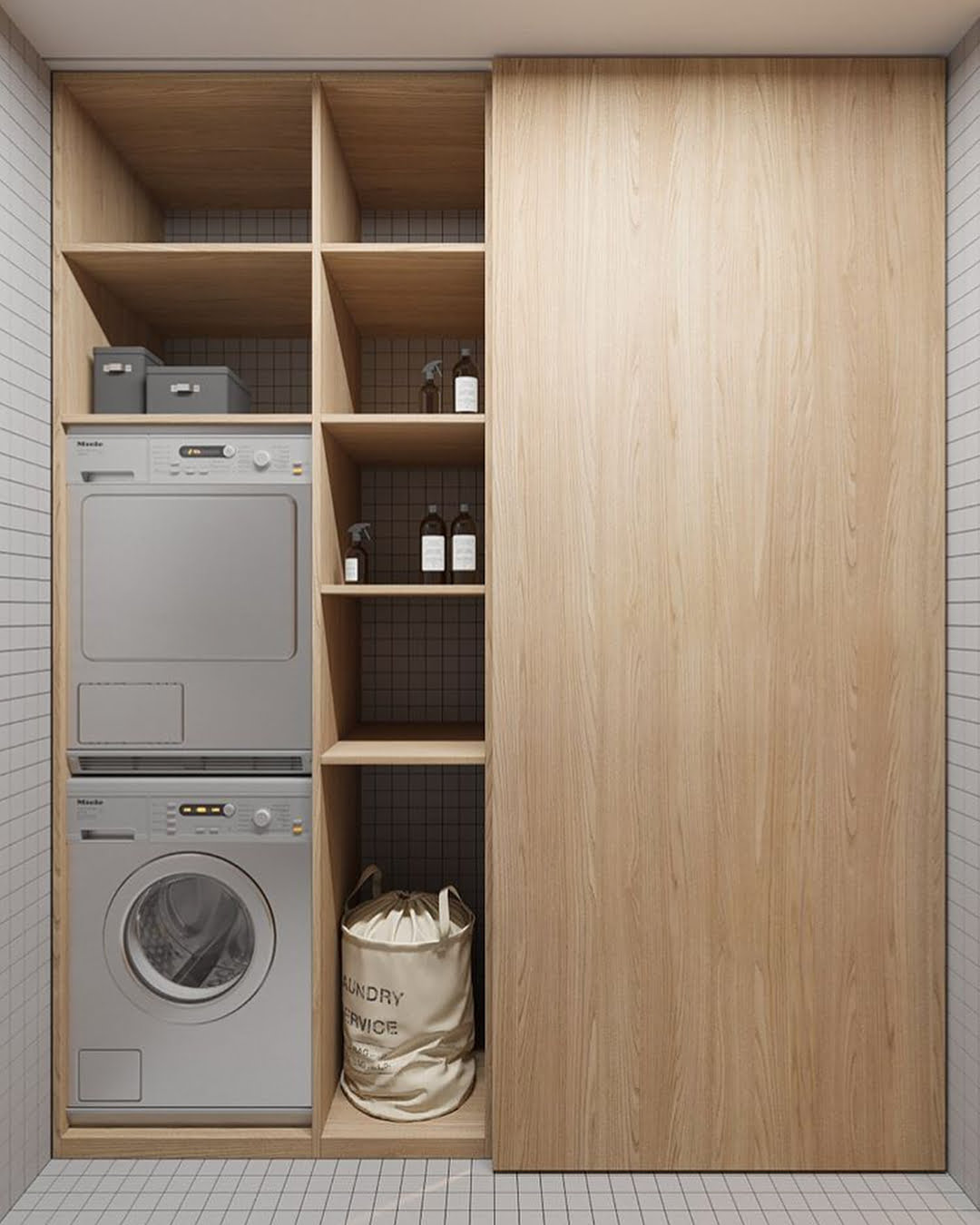
Bathroom and laundry closet cabinetry is where moisture resistance matters most. Standard particleboard will swell within 18 months in a laundry room with steam. Plywood-core cabinets or PVC-wrapped shelving are the right specifications for these spaces. The upfront cost is higher, but replacing swelled cabinetry in year two costs more in total than doing it right the first time, and the replacement process is much less pleasant than the original installation.
One practical detail I wish someone had explained early: pull-out shelves in a laundry cabinet change how you actually use the space. Fixed shelves in a deep cabinet mean the back half of the shelf is effectively dead storage because you can’t see or reach it without pulling everything out. A pullout brings everything to the front, which sounds minor until you’re doing it every single day. It’s worth the extra $30-50 per shelf.
A Dark Walk-In That Proves the Material-Lighting Relationship
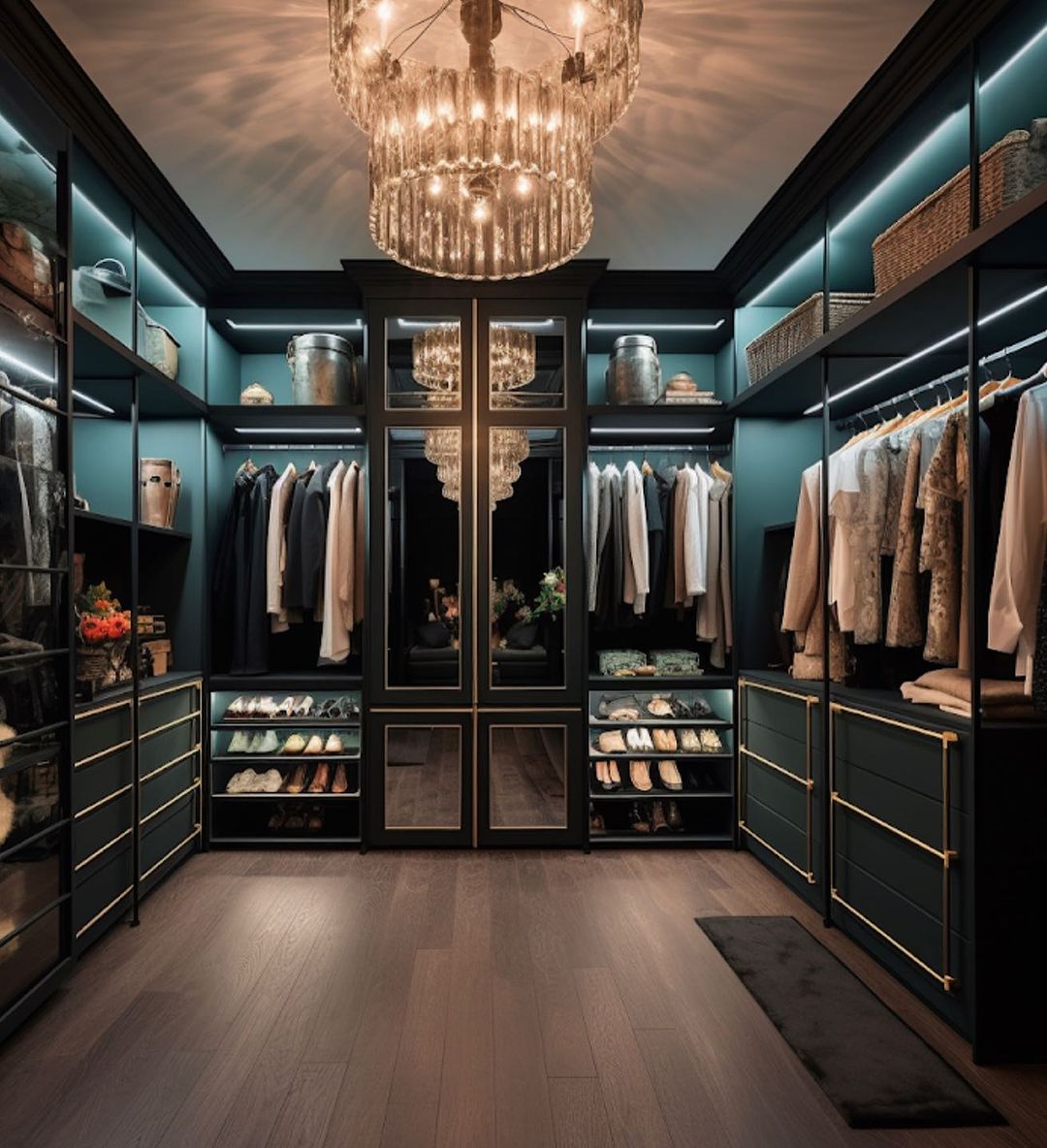
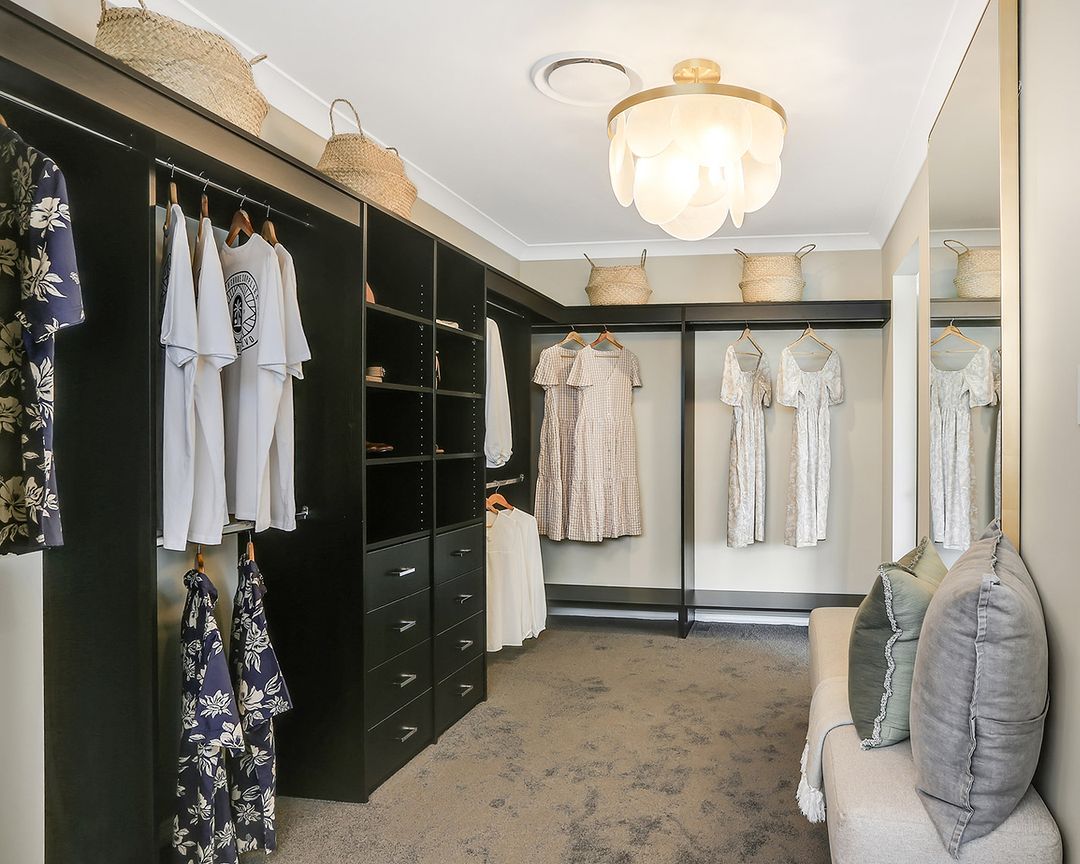
A dark-finished walk-in needs about twice the lighting of a white interior to achieve the same visibility at shelf level. This isn’t a reason to avoid dark finishes because the visual effect can be genuinely striking, but the lighting budget has to go up proportionally. In a dark-finish closet I’d budget for undershelf LED strips at every shelf level, not just above the hanging rods. Without adequate task lighting, a dark closet interior looks dramatic in photos and makes it nearly impossible to distinguish navy from black at 7 a.m. That’s a real problem.
The other factor with dark interiors is that they show dust more visibly on light-colored items stored inside. It’s a minor point, but worth knowing if you keep a lot of white shirts or light-colored knitwear. Closed drawer fronts and a few fabric bins on the open shelves keep the dust situation manageable without compromising the overall look. If you’re planning a similar approach for a small space, the condo interior design guide covers how to manage the light-dark balance in compact rooms.
Working with a Design Consultant: When It Is Worth It
What a Real Design Consultation Actually Produces
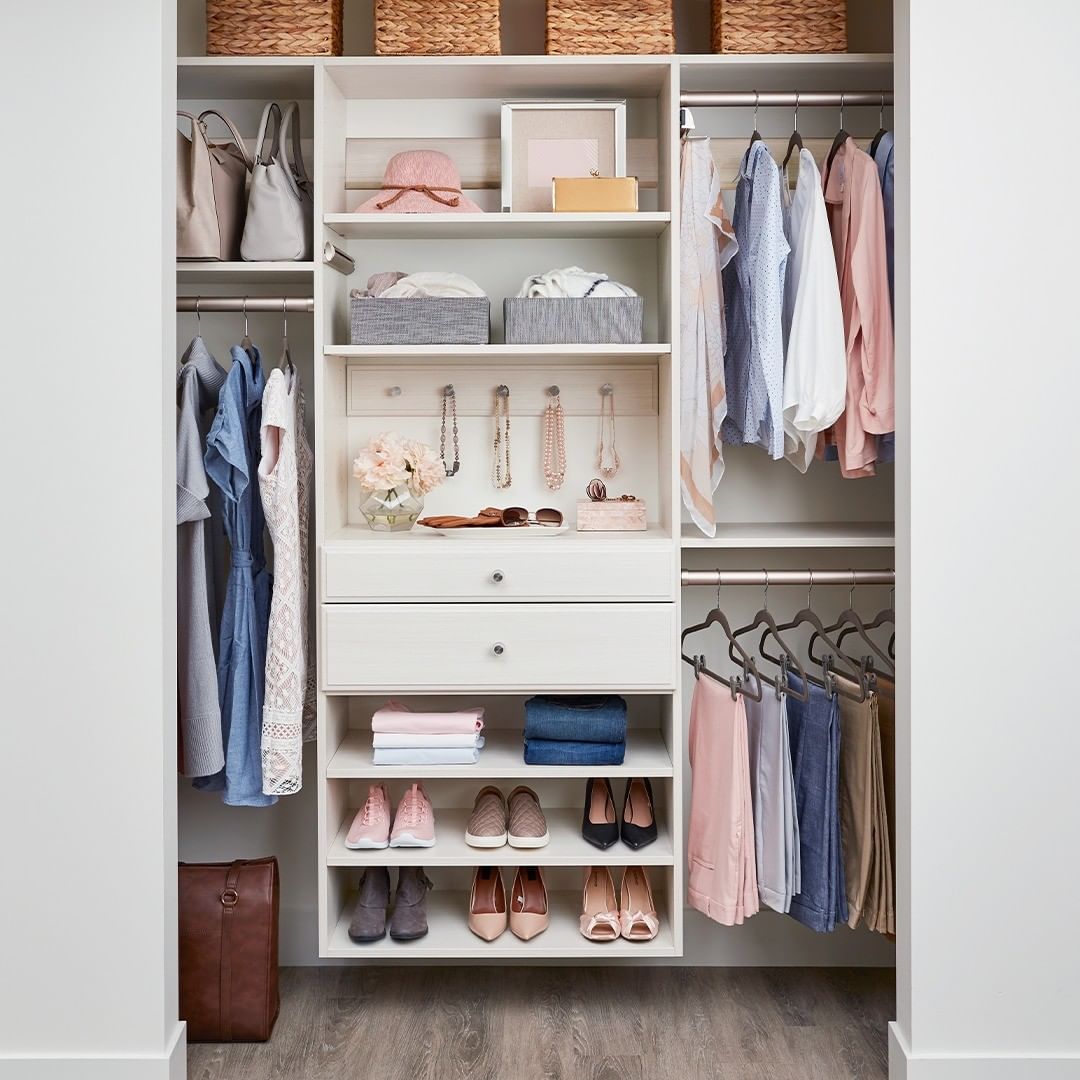
A good design consultant will take precise measurements of the space and come back with multiple layout options at different price points. That second part is what separates a real consultation from a sales call. If the first option you’re shown is the most expensive version with no alternatives, that’s a signal to ask for a mid-range configuration and understand what you’re actually giving up to get there. Good consultants expect that question.
Timeline expectations: most custom closet installations for a master bedroom take one to two days on site. More complex designs with multiple zones, custom cabinetry, and integrated lighting can run three to four days. The measurement-to-installation window is typically two to four weeks from a signed agreement. If you’re renovating a bedroom at the same time, coordinate the closet installation to happen after painting is complete so the interior panels aren’t marked during the room work. The bathroom closet designs guide covers the same timeline principles for wet-area applications.
The Cost Reality for a Custom Closet
Budget realities: a basic custom reach-in closet using semi-custom components runs $300-$700 installed. A mid-range walk-in with adjustable shelving, hanging rods, and some drawers is typically $1,500-$4,000 depending on square footage and materials. A high-end fully custom built-in with solid wood, soft-close hardware, integrated lighting, and a mirror panel can reach $8,000-$15,000 for a standard master bedroom walk-in. Those numbers reflect real regional pricing, not catalog estimates.
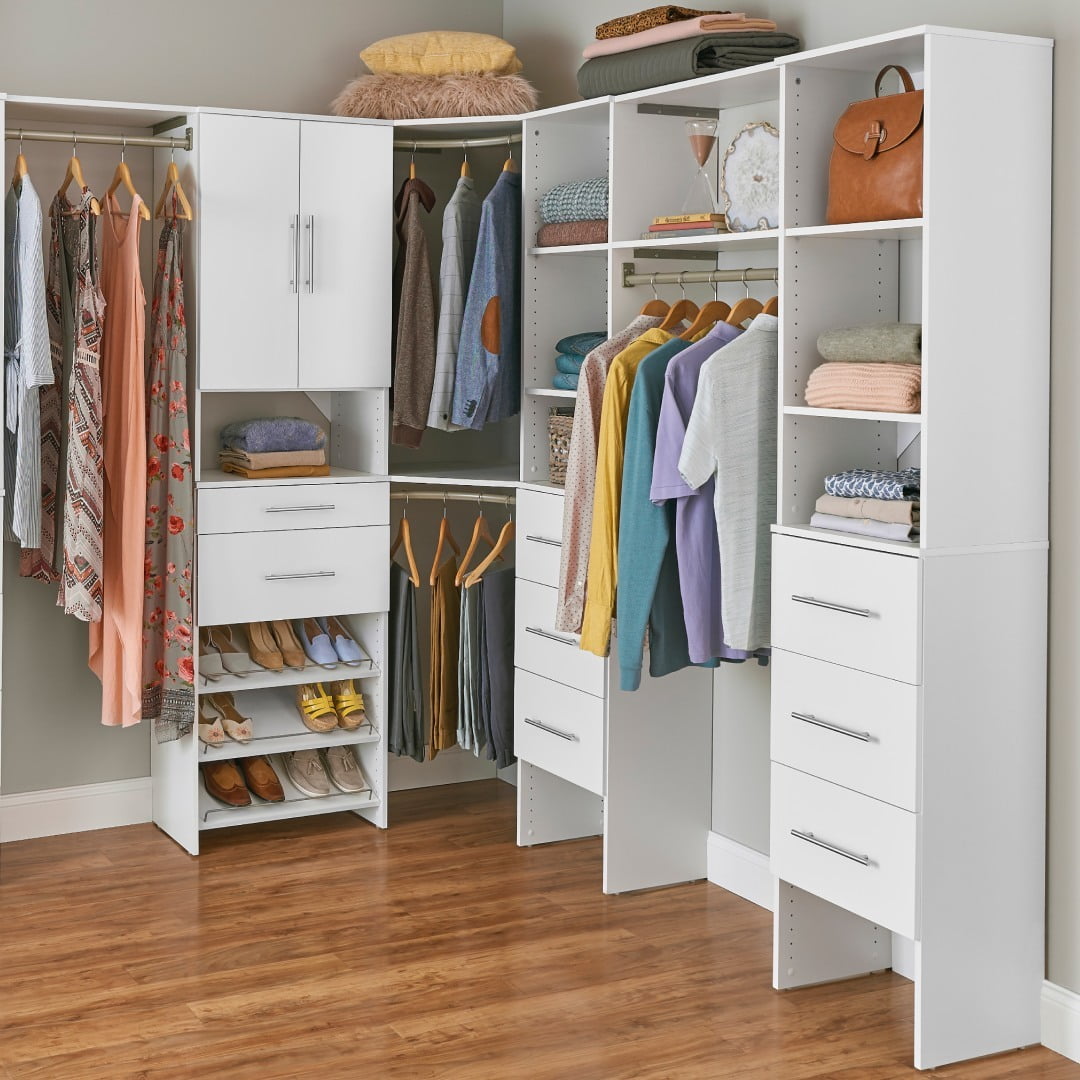
The DIY alternative: semi-custom systems from IKEA PAX ($600-$1,200 for a master walk-in, including doors) or Rubbermaid Configurations ($150-$400 per wall section) deliver around 80% of the function at a fraction of the custom price. The honest tradeoff is time and precision. A DIY PAX installation for a walk-in closet takes a weekend if you’ve done similar flatpack builds before, and significantly longer if this is your first. The results can look excellent, but the process requires patience with exact measurements and level floors, which not all older homes provide.
Frequently Asked Questions
What are the most innovative features in modern closet design?
Adjustable track shelving, integrated LED task lighting at shelf level, pull-out accessory drawers, and built-in mirror panels are among the highest-impact features. They improve daily usability rather than just aesthetics.
What is the average cost of a custom closet installation?
A basic reach-in custom closet runs $300-$700 installed. A mid-range walk-in with shelving and drawers is typically $1,500-$4,000. High-end fully custom systems with solid wood and integrated lighting can reach $8,000-$15,000 for a standard master bedroom.
What closet shelving material holds up best over time?
Melamine-coated board is the most practical choice for most climates because it resists humidity better than standard laminate and costs less than solid wood. Solid wood works well in dry climates but can warp in high-humidity environments. Avoid hollow aluminum rods and opt for solid chrome hanging rods.
How do I design a closet for a small bedroom?
Prioritize a reach-in with a zoned interior over an undersized walk-in. Use vertical track shelving to maximize height, and place the most-accessed items at eye level. A floor-to-ceiling door mirror adds perceived space without taking up room area.
Is it worth hiring a design consultant for a closet renovation?
For a master bedroom walk-in or a full storage system, yes. A good consultant will produce multiple layout options at different price points and manage the installation timeline. For a basic reach-in or a garage storage project, a semi-custom DIY system is usually sufficient.