Senior Living Interior Design: Practical Choices That Matter

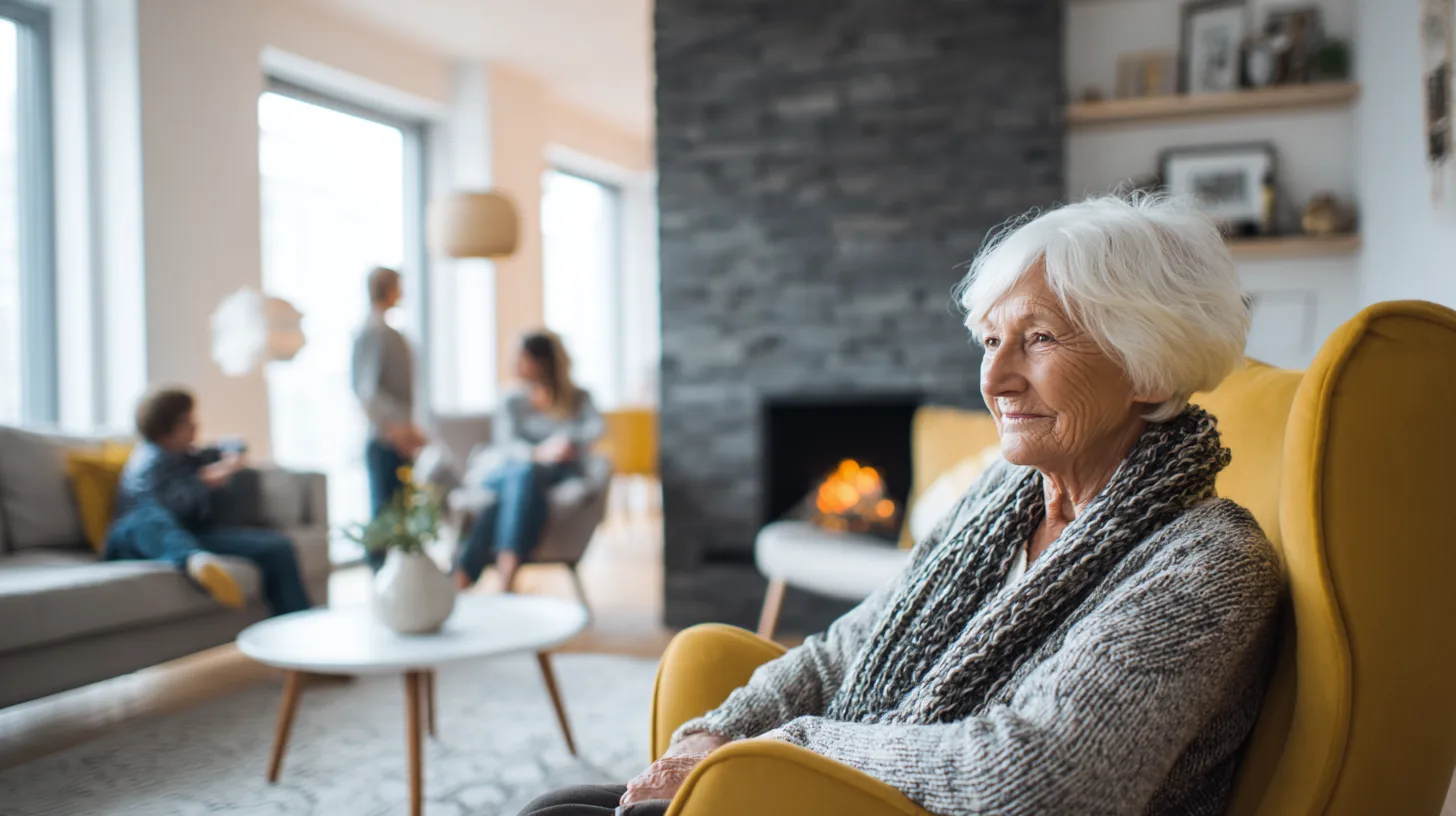
I spent three weekends last fall helping my aunt settle into her new place at a senior living community in a rental. She’d been in her own home for 40 years, and the move was practical, not something she had chosen. The first time I walked in, I understood why she felt deflated. The space was clean and functional, but it looked like a hospital waiting room. Beige walls, fluorescent overhead lighting, and a grab bar in the bathroom that announced its presence louder than anything else in the room.
That experience sent me deep into everything I could find on senior living interior design. What I discovered surprised me: most of the guidance out there treats safety and aesthetics like they’re in conflict. They’re not. And once you stop treating them that way, the whole approach changes. Here’s what I actually learned and what I’ve seen work.
The Foundation: Safety That Doesn’t Look Like Safety
Understanding What Seniors Actually Need Day to Day

The first thing to understand about senior living interior design is that the needs aren’t as dramatic as most guides suggest. You don’t need to gut a bathroom or install a full ADA setup before anything else can happen. Most of the meaningful changes are small: wider doorways help, but the real problem is usually clutter narrowing the path through them. Good lighting matters enormously, and a $40 set of LED bulbs can genuinely transform a room’s usability.
What seniors actually need is a space that feels responsive. Things within reach, surfaces that are easy to move through, enough light to see comfortably without squinting. Personal touches matter just as much as the practical stuff: family photos, a familiar chair, the right color on the walls. I’ve watched my aunt’s mood shift noticeably in a well-designed room versus a clinical one, and that’s not a minor observation. It’s the whole point.
Safety is part of the conversation, but it doesn’t have to be the whole conversation. When you lead with comfort and livability, the safety features tend to follow naturally, and they look better for it.
Aging-In-Place Principles That Hold Up in Real Life

Aging-in-place design is about setting up a space so that as needs change, the home doesn’t have to be gutted and redone. Universal design is the framework: spaces that work for everyone regardless of age or mobility, because the features that help a 78-year-old also help someone carrying groceries or recovering from surgery. Once I started thinking about it that way, I realized how much good universal design overlaps with just good design in general.
The most impactful changes I’ve actually seen applied in real spaces: step-free transitions between rooms, lever-style handles on every door and faucet, and surfaces that contrast enough to be visually clear. Wide hallways are often cited as essential, but the 36-inch standard only matters if there’s nothing blocking the path, so declutter first, then measure.
Bathrooms deserve serious attention, and here’s something most guides miss entirely: grab bars don’t have to look like grab bars. The Moen Home Care collection, which starts around $35 per bar, is indistinguishable from upscale towel bars. Chrome or brushed nickel, clean lines, looks genuinely intentional. The function is identical to a clinical grab bar. The psychology is completely different. That’s the product recommendation I make to everyone who asks, because it solves the thing people are actually resisting.
Flooring, Movement, and Clear Sight Lines
Non-Slip Flooring That Still Looks Good

Flooring is where I’ve seen the biggest impact per dollar in senior living interior design. Falls are a real risk, and the difference between textured luxury vinyl plank and polished tile is significant. The good news is that the best flooring options for safety also happen to be among the better-looking choices available.
For most rooms, I’d go with luxury vinyl plank in a matte, lightly textured finish. Brands like Shaw Floors have options that genuinely read as hardwood, cost a fraction of actual hardwood, and provide solid grip underfoot. In the $3 to $6 per square foot installed range, it’s a reasonable investment for what you get. For bathrooms and kitchens specifically, porcelain tile with a slip-resistance rating of R10 or higher is the standard to aim for.
What to actually avoid: polished stone or high-gloss ceramic tile anywhere a senior spends time. They look beautiful in listing photos and they’re genuinely dangerous when wet. The glare also creates visual confusion for anyone with weakened eyesight, which is one of those things you don’t register until you’re the one squinting at the floor. Area rugs are fine if they’re secured with grip pads on all edges. Unsecured rugs that can shift or bunch are a fall waiting to happen.
Wayfinding Without the Institutional Look
Clear navigation matters most in memory care settings, but the principle applies in private homes too: the path through a space should be visually obvious. Color-contrasting door frames, consistent furniture placement, and well-lit hallways all contribute. The challenge is doing this without making the space feel like a corridor in a care facility.
One approach that works well: use warm, consistent color in hallways to create visual flow, then contrast at doorways. The eye follows warmth, and it becomes easier to orient in a space when there’s visual continuity from one area to the next. This overlaps with the principles behind balance in interior design, where the goal is visual coherence that lets the eye move through a room naturally rather than getting snagged on competing focal points.
Comfort, Furniture, and Spaces People Actually Want to Be In
Calming Color and Light: The Biggest Mood Shifters

The most common mistake in senior living interior design is designing for safety and completely ignoring pleasantness. Safety should be a constraint, not the whole design brief. A calming, comfortable room reduces anxiety, promotes better sleep, and makes people feel like themselves. None of that happens in a beige box with fluorescent overhead lighting.
For color, soft blues and greens perform well in bedrooms and sitting rooms. They read as calming without being cold. Warm neutrals like sage, linen, or a terracotta-adjacent beige work well in social areas. Avoid bright whites on large surfaces, which read as clinical and increase glare. My aunt’s room went from looking like a facility to feeling like home almost entirely by swapping the off-white walls for warm greige and replacing the single overhead fixture with layered lighting. The shift was dramatic and cost under $300 total.
Natural light is the baseline, and everything else is a supplement. When you can’t get enough of it, layer your artificial sources: ambient overhead, task lamps near reading chairs, and night lighting in hallways covers almost every situation. For more on how light and color interact to create cohesive spaces, the concepts in harmony in interior design apply directly to senior living contexts.
Ergonomic Furniture That Looks Like Furniture

The furniture question in senior living interior design comes down to one thing: getting in and out of chairs comfortably. Sofas and armchairs that sit too low are a genuine daily problem. The effort of rising from a low seat puts strain on knees and hips that accumulates over time. The practical target is a seat height between 17 and 19 inches, with firm cushions and sturdy arms that extend to the front edge of the seat.
Finding furniture that hits those specs without looking like it came from a medical supply catalog is harder than it should be, but it’s possible. La-Z-Boy’s standard recliner line (not the medical lift chairs) actually meets the ergonomic targets well. The Classic Comfort series starts around $700 and stays convincing for years. For dining chairs, solid wood frames with padded seats and arms are the move. Skip anything with a backward-sloping seat; that angle makes standing much harder than it needs to be.
Tables and shelving should sit at heights that don’t require significant bending or reaching. Rounded corners on furniture edges are worth seeking out, not because falls are inevitable, but because reducing the severity of incidental bumps is a reasonable thing to design for.
Acoustics: The Comfort Factor Nobody Talks About

Acoustics are almost never mentioned in senior living design conversations, and they should be. Background noise is exhausting when your hearing isn’t as sharp as it once was. A room with hard surfaces and nothing soft in it bounces sound around in ways that make conversation tiring and TV-watching genuinely frustrating. Soft furnishings absorb sound: heavy curtains, rugs, upholstered furniture, and even bookshelves all help reduce echo and background noise.
It’s also worth being deliberate about where noisy appliances are placed. The refrigerator hum or the HVAC vent noise that became invisible background noise years ago might be much more intrusive now. Placing sleeping and sitting areas away from these sources is an easy win that takes no budget, just some thought about the layout.
Making It Feel Like Home

This is the section most senior living design guides skip, and it’s the one that matters most to the people actually living in these spaces. A room that doesn’t reflect the person in it doesn’t feel like home, no matter how well-designed it is technically. I watched my aunt’s whole energy change when we brought in her grandmother’s quilt, a framed photo from her late husband’s garden, and the lamp she’d owned since the 1980s. The room was smaller and less “put together” than it had been before, and it was a thousand times better.
Familiar objects do something that no color palette or furniture choice can replicate: they activate memory and identity. For people dealing with cognitive changes, familiar items are especially grounding. If you’re helping someone design a senior living space, start by asking what they want to bring. Let those objects anchor the room. The design choices should work around them, not the other way around.
Where communities allow customization (choosing wall colors, arranging furniture, bringing personal pieces), the research consistently shows better wellbeing outcomes. Even small decisions matter when everything else about a living situation has changed.
Social Spaces, Outdoor Areas, and Community

For anyone designing a shared community space, the principles that make a senior living space genuinely social are the same ones that make any gathering space work: comfortable seating in conversation-scale groups, good lighting, and an actual reason to be there. The coffee corner with fresh coffee beats the beautifully designed common room with nothing in it every time. Design around use, not around the floor plan.
Outdoor spaces in senior living design often get more attention in brochures than in actual execution. The baseline that gets used: smooth, well-lit paths with places to sit at regular intervals. Raised garden beds at an accessible height give people something active to do. Covered seating extends the season. These aren’t complicated features, but the difference between an outdoor space that gets used and one that doesn’t often comes down to whether there are places to rest and something to interact with.
For private homes, the same principle applies at a smaller scale. A flat, well-lit patio with a comfortable chair and some container plants does more for daily wellbeing than a large yard that requires significant effort to maintain. The parallel to minimalist bedroom design holds here: pare down to what’s actually used and loved, keep the visual field clear, and the space will feel better than a more elaborate one that creates friction.
Technology and Sustainability Without the Overwhelm
Smart home technology in senior living design gets oversold. Voice-controlled lights and thermostats are genuinely useful. The Amazon Echo Dot at around $30 handles most of the practical day-to-day cases, and it’s straightforward enough that a lot of people can set it up themselves. Fall detection sensors that alert caregivers exist and do work, but they require setup and ongoing attention that isn’t always realistic. I’d focus on fundamentals first: good lighting, lever handles, and a phone within reach, then layer in technology as it becomes specifically useful rather than adding everything at once.
Sustainability and senior living design overlap more than most people realize. Low-VOC paints reduce indoor air quality concerns. Benjamin Moore’s Natura line costs roughly the same as standard paint and is genuinely zero-VOC, not just “low.” LED lighting everywhere is both the eco-friendly choice and the better lighting choice for aging eyes: warmer color temperatures in the 2700 to 3000 Kelvin range are easier to see under than cool blue-white LEDs and create a more comfortable, residential feeling in the room.
For larger renovation projects, bamboo flooring and recycled-content upholstery are both durable, practical options now. If you want to look at how principles like simplicity and clear function translate into livable spaces, the approach behind zen Japanese interior design has real overlap with what works in senior living contexts. Both prioritize what’s needed, remove what isn’t, and let the space breathe.
Frequently Asked Questions
What makes senior living interior design different from regular home design?
The main difference is that accessibility and safety become explicit design requirements rather than afterthoughts. Wide clearances, non-slip surfaces, and ergonomic furniture heights are built in from the start. The goal is a space that works well now and continues to work as needs change over time.
What is the single most impactful change in a senior living space?
Lighting. More light, better placed, in warmer color temperatures. Most senior living spaces are dramatically underlit, and better lighting reduces fall risk, improves mood, and makes the whole space feel different. It’s also one of the most affordable changes you can make.
Do grab bars in bathrooms have to look institutional?
No. Products like the Moen Home Care collection are designed to look like upscale towel bars and are available in chrome and brushed nickel. They meet the same functional requirements as traditional grab bars and are indistinguishable from standard bathroom hardware.
What flooring works best in senior living spaces?
Luxury vinyl plank in a matte, textured finish for main living areas, and porcelain tile rated R10 or higher for wet areas like bathrooms and kitchens. Both are slip-resistant, easy to clean, and look substantially better than older flooring options designed for senior spaces.
How can I make a senior living space feel personal without creating hazards?
Let the person who lives there choose what to bring and where to put it. Familiar objects, photos, and personal furniture anchor the room and improve wellbeing in ways that no amount of good design can replicate. Safety features can be integrated around personal items rather than replacing them.
Senior living interior design done well is about creating spaces where people feel capable and at home, not spaces that signal how much they need help. For more design ideas and room-by-room inspiration, follow us on Pinterest.