Penthouse Interior Design: Height, Light, and the Furniture Scale Trap

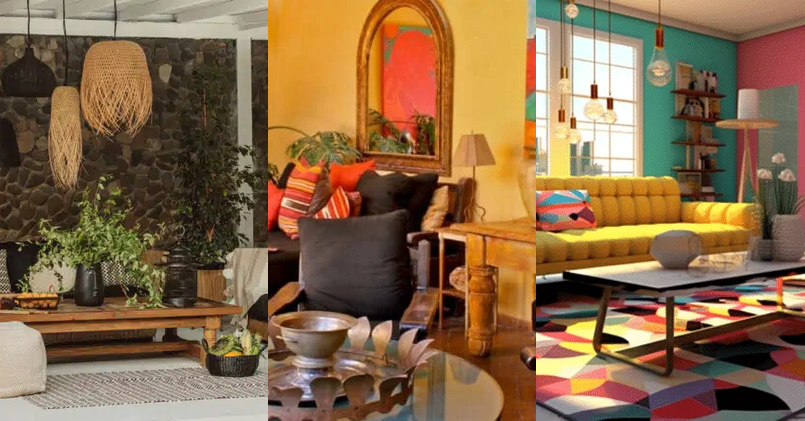
Penthouse interior design sounds like a champagne problem until you stand in a glass box where your sofa looks like doll furniture and the view eats the room. I visited a friend in a high-rise and watched her sectional float in the center like a raft on an empty lake.
Height and light are gifts that punish wrong scale. Penthouse interior design needs taller art groupings, larger rug footprints, vertical plants or drapery, and furniture with enough visual weight to hold the volume.
You do not need a penthouse to use these rules. Any room with tall ceilings or big windows hits the same trap.
Penthouse interior design is really volume design: if your furniture looks lost, the architecture is winning and you need proportional mass, not more small props.
The Furniture Scale Trap
Standard apartment sofas look tiny under double-height glass. Penthouse interior design often needs longer sofas, deeper seating, or multiple pieces ganged to read as one mass.
Coffee tables should relate to sofa length: roughly two-thirds sofa width is a starting point. Tiny tables in big rooms look lost.
Rugs must anchor all front legs of seating plus walkway margin. Undersized rugs are the most common penthouse fail I see.
Nightstands and lamps need height to match tall headboards and ceiling lift. Low lamps disappear.
Vertical Elements That Respect View
Use height without blocking glass. Penthouse interior design places tall plants or drapery at wall edges, not in front of center panes.
Curtain stacks live wide off window when possible. Heavy headers add vertical line without shutting the view daily.
Art can scale up: multi-panel or oversized single piece where wall can carry it. Small frames on huge walls whisper defeat.
Sculpture on plinths fills vertical air near corners without competing with skyline.
Light Control at Altitude
High sun and reflection off glass and water need layered shades: sheer, blackout, and sometimes exterior consideration if HOA allows.
Penthouse interior design plans evening scenes separately. Day glare is not night romance.
Recessed cans alone feel office. Add floor and table lamps to humanize volume.
Dimmer every zone. Bright uniform ceiling light makes expensive views feel like airports.
Outdoor Terrace as Second Room
Terrace furniture should relate to indoor palette for continuity. Penthouse interior design reads bigger when indoor-outdoor materials echo.
Wind and sun demand weighted planters and performance fabric. Pretty only matters if pieces stay put.
Lighting terrace for evening extends living area. Solar strings are weak at height; wired plan better.
Storage for cushions and small tools prevents daily clutter migration indoors.
Acoustics in Hard Volume
Glass and stone bounce sound. Penthouse interior design needs rugs, drapery, upholstered seating, and sometimes acoustic panels disguised as art.
Bookshelves with mixed objects break echo better than empty minimal walls.
Area rugs layered in huge rooms can define conversation zone without building walls.
Door sweeps and window seals help street hum many floors up people still hear.
Budget Rentals With Big Windows
You can fake scale with tall drapery, large art prints, and rug upsize before new sofa investment.
Modular sofa sections add length without one delivery nightmare.
Paint darker on far wall pulls volume inward if room feels airport terminal.
Browse home decor for tall floor vases and plants after rug size is solved.
Kitchen Islands in Open Penthouse Plans
Islands in open plans need clearance on all sides. Penthouse interior design often oversizes island until paths pinch.
Pendant trio over island should relate to island length, not ceiling height alone.
Seating overhang depth must fit real chairs, not stool samples in showroom.
Storage on island facing living side should be closed to hide clutter from sofa sightline.
Home Office in Glass Corner
Desk facing glass risks glare on screen. Penthouse interior design angles desk or uses sheer plus shade layer.
Cable management in glass rooms matters more because everything is visible.
Bookshelf as low horizontal band behind desk keeps view open over top.
Task light warm and local; do not rely on city light alone at night.
Art and Sculpture at Height
Tall sculpture on floor needs weighted base for HVAC breeze near vents.
Multi-panel art can span sofa width to unify seating zone under tall wall.
Avoid tiny art high on wall where no one stands close. Scale to viewing distance.
Rotating one large piece seasonally refreshes without furniture churn.
Furniture Delivery and Building Logistics
Measure elevator and door diagonal before ordering sectional. Penthouse design fails at loading dock.
Modular delivery reduces risk in tight high-rise cores.
White glove unwrap inside unit protects common halls and your new upholstery.
Review design basics before scaling up furniture for volume alone.
Penthouse interior design is about proportional mass, vertical accents that respect views, and light control at scale. Fix rug and sofa size before you blame the view.
Stand at the entry and squint. If furniture disappears, add horizontal mass or vertical accent on the same zone, not more small decor. See interior design styles when you want adjacent ideas.
Penthouse interior design is not about more stuff. It is about fewer, larger decisions that hold air and glass without blocking the reason you wanted the height.
Measure the elevator and the sofa footprint on the same day. Penthouse interior design fails in the loading dock, not the mood board.
Penthouse Lessons for Normal Ceiling Heights
I do not live in a penthouse. I still study penthouse interior design because height and glass teach furniture scale faster than any style quiz. The common mistake downstairs is the same as upstairs: furniture that is too small for the floor plate.
In glass-heavy spaces, rugs do the zoning that walls cannot. I use the same trick in open rentals. A rug under the seating group stops the sofa from floating like a showroom sample.
Light control is not optional near big windows. Sheer plus heavier drape lets you keep daylight without glare on screens. Penthouse photography hides the afternoon blast. Real eyes do not.
The furniture scale trap shows up in coffee tables and art. Tiny tables in large rooms look like apologies. I size tables to the seating group, not to the shipping box I fear. One correctly scaled piece beats three undersized ones.
If your ceilings are average, steal the clarity, not the chandelier count. Clear paths, fewer competing metals, and intentional empty floor. Penthouse calm is editing with confidence, not square footage alone.
Glass, Glare, and Furniture That Holds the Floor
Stand at the main entry and check sightlines. If you see chair legs and cord clutter before you see a seating group, raise visual weight with a rug and a solid table.
Test afternoon glare on your actual screens before buying pale glossy finishes. Matte and fabric often behave better near west windows.
Leave a clear margin of floor around seating. Wall-to-wall furniture packing kills the open feeling penthouses advertise.
Choose one metal finish for lamps and table bases. Mixed chrome and brass in a bright room looks accidental.
If budget limits you, invest in window treatments and the rug first. Those two decisions control light and zone more than decorative objects.
Hosting and Circulation Up High or Down Low
Plan guest paths before styling surfaces. If people cannot cross the room with a drink, the layout is a gallery, not a home.
I leave one empty landing zone near the entry for bags and shoes. Without it, clutter migrates onto the statement furniture.
Choose fewer larger art pieces on tall walls. Grids of tiny frames climb and feel nervous in bright light.
Balcony furniture should match interior metal finishes when visible through glass. Mismatched outdoor plastic ruins the indoor scale story.
The furniture scale trap in a penthouse is the same trap in a tiny condo, just inverted. Condo interior design is the low-ceiling twin of this piece.
Glass and glare belong next to windowless office design: one room has too much light, the other has none.
If you do not have the view, do not fake one. Read interior design basics and spend the money on one piece that holds the floor.
Scale Test Before Delivery Day
I tape furniture footprints on the floor before ordering. Penthouse mistakes and apartment mistakes share the same root: hoping scale will work.
If the taped rectangle blocks the path to the kitchen, the piece is wrong no matter how good it looks online.
Measure elevator and stair turns too. Beautiful scale means nothing if the sofa never enters the room.
FAQ
Do normal ceilings need penthouse rules?
Only if windows are huge or room volume feels empty. Scale principles still help.
How big should rugs be?
Front legs of all seating on rug plus clear path behind sofa.
Will tall art block views?
Place at side walls; keep center glass for skyline when that is the asset.
Best fix for tiny sofa?
Add second matching piece or replace with longer silhouette before more pillows.
Are sheer curtains enough?
Rarely at height. Layer blackout for sleep and glare control. Sheers alone read beautiful at noon and brutal at bedtime in tall glass.