Old Money Interior Design: Restraint as a Material Choice

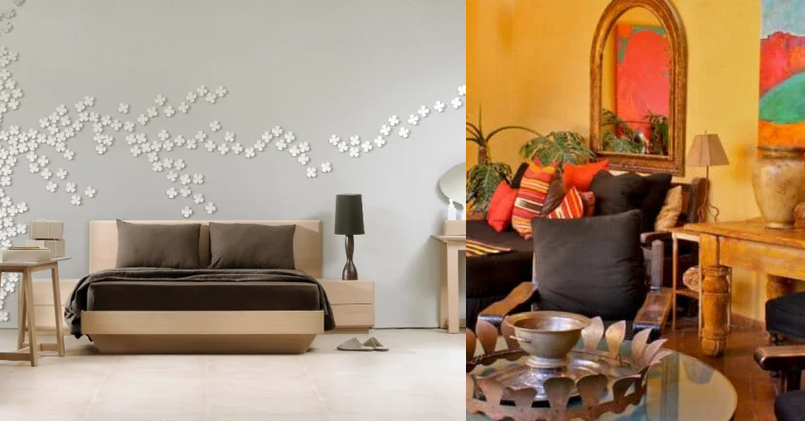
Old money interior design is not decoration for show room with hunting prints and fake crests. It is restraint shown through material choice: wool that lasts, wood with quiet grain, stone or marble where touch matters, and furniture silhouettes that ignore trend cycles.
I grew up nowhere near generational wealth, but I learned old money cues from vintage furniture markets: buy less, buy solid, keep surfaces calm, let one antique carry history instead of ten reproduction novelties.
Old money interior design is a filter question: will this piece still feel right in ten years, and can I maintain it without a storage unit of replacements.
Restraint Beats Display
Old money interior design hides wealth in weave and joinery, not shelf talkers. I skip branded decor and logo throw pillows entirely.
Fewer objects, better objects. One good oil painting beats a gallery wall of prints that date in five years.
Closed storage for daily clutter is non-negotiable. Sideboards and armoires keep surfaces empty at night.
Mirrors are functional and framed simply, not gilt overload unless architecture already supports ornate.
Materials That Age With Dignity
Wool rugs, linen drapes, solid wood case goods, leather with patina, brass with living finish. Old money interior design invests where hands touch daily.
Particleboard with veneer chip is the opposite of the ethic. I save longer for one solid piece.
Stone tops on tables survive red wine and decades. Laminate pretends until the edge swells.
Avoid trendy plastic finishes pretending to be lacquer. They scratch and look tired fast.
Color: Navy, Cream, Forest, and Brass
Palette stays subdued and classical: navy, cream, forest green, warm gray, occasional burgundy. Old money interior design does not chase neon accent years.
White should be warm, not hospital. I sample creams with yellow or gray undertone based on light.
Patterns stay classic: stripe, houndstooth, toile in small doses. One patterned chair, solids elsewhere.
Metals stay brass or nickel with consistency, not mixed flash.
Inherited Pieces and New Purchases
Mix eras by matching undertone and scale, not exact match sets. Old money interior design looks collected, not delivered yesterday as a suite.
Reupholster heirloom frames in solid linen instead of loud print. Shape stays, noise drops.
When inherited wood is dark and room is small, lighten walls and rug rather than rejecting good bones.
Document maker marks and care for wood properly. Maintenance is part of the look.
Art and Books as Quiet Signal
Art does not need gold frame everywhere. Simple frames, good matting, proper hanging height at eye center.
Books grouped with breathing room read collected, not hoarded. Old money interior design edits spines like wardrobe.
Family photos in quality frames, limited count on public walls. Gallery of snapshots reads anxious.
One sculptural object on console, not a flea market shelf. Negative space is confidence.
Rental Paths to Quiet Luxury
Upgrade lighting and drapery first; they change perception without landlord fights.
Thrift solid wood with dovetail signs, refinish if needed. Old money interior design loves honest age.
Performance wool or blend rugs give look without fragile silk anxiety.
Compare adjacent ideas in interior design styles so quiet classic does not slide into hotel generic beige.
Tabletop and Dining Restraint
Old money interior design uses real silver or quality flatware quietly, not display racks on walls.
Table linens pressed lightly, not stiff formal unless you enjoy ironing daily.
Centerpiece low enough for conversation sightlines: bowl, candles, or branch, not tower.
Chairs with solid joinery outlast trend silhouettes. Buy once, reupholster later.
Library and Study Corners
Books grouped with breathing room read collected, not hoarded. Desk lamp brass or green glass classic shapes beat novelty LED gadgets.
Leather desk pad ages well and protects wood without plastic mat shine.
Wire basket for daily papers prevents desk romance becoming paper avalanche.
Closed cabinet for printer and supplies keeps study calm on video calls.
Guest Room Understated Hospitality
Guest rooms need quality mattress and linens, not theme baskets. Hospitality is sleep, not props.
Empty drawer and closet rod space signals welcome better than decorative pillows alone.
Neutral palette lets guests mentally unpack without color fight.
One good reading lamp and blackout shade beat basket of sample toiletries.
Teaching Kids Quiet Taste Early
Kids rooms can have quality wood bed and washable rug without cartoon explosion. Old money interior design is habit formation.
Toy storage closed with labeled bins teaches edit cycles.
Art from child framed simply on rotation wall, not every surface covered.
Start with design basics when calm structure matters more than new decor.
Old money interior design is calm materials, edited objects, and quality you can feel. Skip crest props, buy solid once, and let rooms whisper instead of shout. See home decor when you want adjacent ideas.
Touch your sofa arm, rug edge, and curtain panel. If nothing feels substantial, upgrade one touch point before another decor run.
Old money interior design is quiet on purpose. If a guest can name every brand in the room, you are still decorating loud, not living calm.
Buy the best touch point you can afford once, then stop shopping until it wears honestly.
Old Money Cues Without Fake Heirlooms
Old money interior design gets misunderstood as buying distressed frames and calling them ancestral. Trying a thrifted oil painting in a gold frame once and it still felt like a costume because nothing else in the room had the same quiet discipline.
The real cue is restraint. Fewer patterns, better textiles, and maintenance you can see. A clean linen sofa with honest wear beats a new velvet piece covered in throw pillows that never move.
I invest in lamps and side tables before decorative objects. Light quality and surface height change daily use. Objects only decorate decisions you already made.
Color stays calm on purpose. Deep greens, soft neutrals, and wood that matches across rooms. Jumping metals and woods in every corner looks shopping, not inheritance.
If your budget is tight, edit first. Remove loud branding, plastic storage from sightlines, and anything that needs explaining. Old money rooms rarely explain themselves. They look inevitable because the extras are gone.
Buying Less, Keeping Longer
I wait seventy-two hours before decorative purchases under a set dollar amount. Impulse objects are the opposite of old money calm.
Repair beats replace when the structure is sound. Recovering a chair you like costs less attention than learning to love a new mediocre one.
Display books you read, not color-coded props you will never open. Authenticity shows at arm's length.
Hide plastic logistics in closed storage. Visible bins with big logos break the quiet even when the furniture is good.
When something new enters, something else leaves the sightline. Without that rule, restraint becomes a story you tell while surfaces fill up.
Inheritance Energy Without the Inheritance
Buy the best lamp you can afford before the decorative tray. Light is daily. Trays are optional.
Prefer natural fibers you can clean. Performance fabrics are fine when they do not shout their tech story across the room.
Keep remote controls and chargers in a closed box. Visible tech clutter breaks the quiet faster than an imperfect sofa.
When friends compliment the room, ask what they noticed. If they name absence of mess before any object, restraint is working.
Old money is restraint. It is not the same job as romantic interior design, which needs softness on a structure. Do not mix the two in one room.
If the budget is real, Sophie’s version of this argument lives closer to European interior design than to a fake crest.
Material aging is also why I keep sending people back to interior design basics before they buy the distressed-gold mirror.
The shopping rule I actually use
If it would look embarrassed next to a 20-year-old oak table, I do not buy it. That rule has saved me from distressed gold, fake crests, and anything that announces itself as quiet luxury in the product title.
A Quiet Shopping Rule
If I cannot name the problem an object solves, I do not bring it home.
Secondhand wood with solid joints beats new pieces that look expensive in photos and flex in real rooms.
I keep one empty surface in every main room on purpose. Empty is part of the style, not unfinished work.
FAQ
Is old money just traditional?
Related but quieter. Less ornament, more material honesty and editing. The goal is calm function, not period costume.
Can renters participate?
Yes via textiles, lighting, thrifted solid wood, and strict clutter control.
What screams fake?
Logo pillows, mass crest art, shiny faux gold, and too many theme props.
Best first splurge?
Wool rug or solid wood console with simple lines.
How many patterns?
One classic pattern maximum per room unless architecture is already ornate. More than that reads trend-chasing, not old money restraint.