How to Make Your Apartment Look Modern: A Room-by-Room Approach

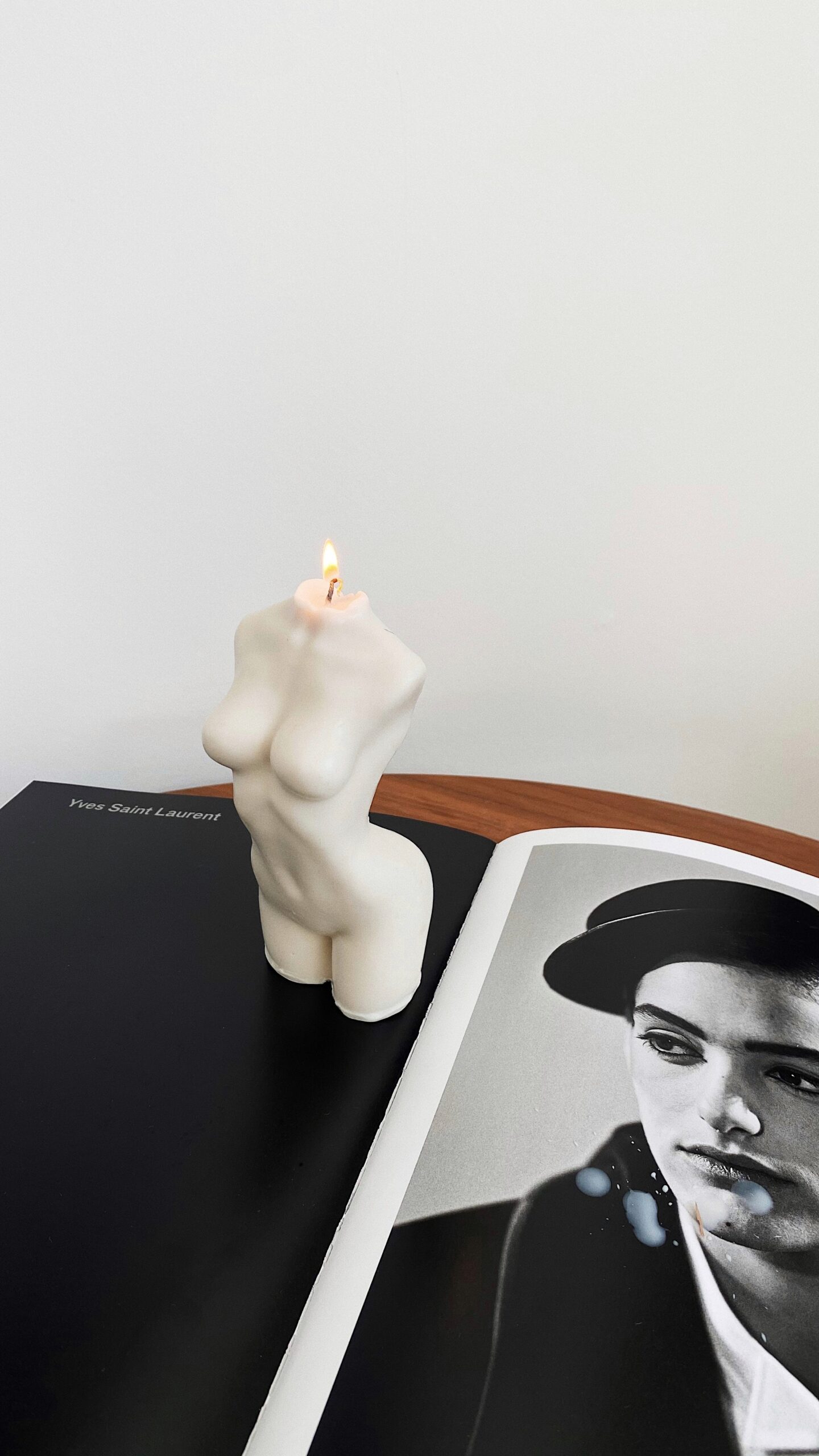
The most common mistake I see when people try to make their apartment look modern is that they add things rather than edit. A new lamp here, a decorative object there, and nothing changes because the underlying structure of the space hasn’t been addressed. Modern design isn’t a product category you can shop your way into. It’s a discipline.
Over the past decade of residential work in Chicago, I’ve helped clients across a wide range of budgets actually execute what they’re seeing on Pinterest. Most of the changes that make the biggest difference cost less than people expect, and several cost nothing at all. Here’s how I’d approach it, category by category.
Start with Structure: Minimalism and the Right Foundations
1. Declutter Before You Decorate
The key principle here is that modern design looks edited. Every object in the room should be there for a reason: visual, functional, or both. I’ve seen this work in client projects where we started by removing 40% of the furniture and accessories, and the room looked three times more expensive without any additions. This isn’t about sterile emptiness; it’s about making sure whatever stays, stays with purpose.
Before you buy anything new, spend an afternoon questioning every object in the room. What’s doing visual work? What’s just taking up space? Answering that honestly is harder than any renovation project.
2. Floor-Length Curtains Change the Proportions of a Room
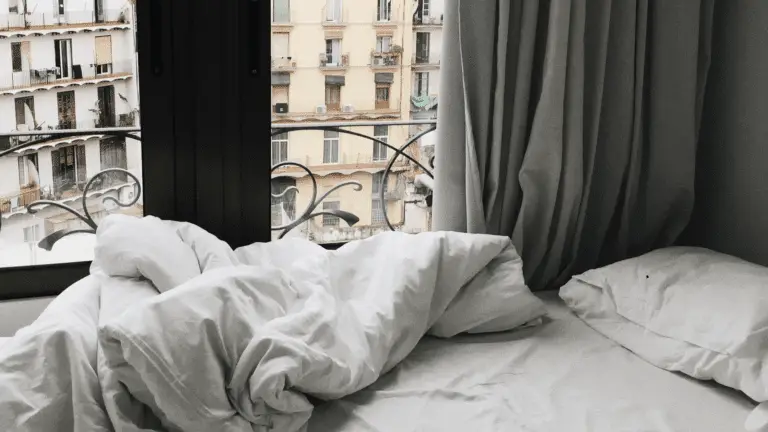
Most apartments come with curtains that stop at the window sill, or worse, mid-wall. Hanging curtains at ceiling height and letting them drop to the floor is one of the cheapest ways to make any room feel more intentional. The ceiling appears higher, the windows appear larger, and the whole room has a more resolved quality. I recommend neutral linen or heavy cotton in white, ivory, or charcoal. All three work in a modern interior without locking you into a single direction.
Contrast and Accent Colors: How to Work with Black, Gold, and Brights
3. Black Accents: Why They Work Where Other Colors Don’t
Black is the color that defines edges. In a mostly neutral room with white walls, beige furniture, and natural wood, a few black accents do the same thing a strong outline does in a drawing: they tighten the composition. Door frames, light switch covers, lamp bases, furniture legs. I had a client in Lincoln Park who refused black accents because she was afraid the apartment would feel heavy. We added matte black hardware to the kitchen cabinets and a single black-framed mirror. She called me two days later wanting more.
The rule: black accents work when they’re consistent and contained. Scatter them across multiple surfaces, but keep them at the same visual weight. Glossy and matte black don’t mix well in the same room.
4. Playing with Light and Dark for Real Depth
Contrast isn’t just black and white. It’s the difference between light-reflecting surfaces and light-absorbing ones. A high-gloss white coffee table next to a matte charcoal sofa creates the same kind of depth as a stark black-and-white pairing. Modern interiors tend to have one dominant tone and one recessive one, not two equal values competing with each other.
Where people go wrong is placing similar-value tones next to each other: medium gray on medium gray, warm beige on warm tan, and then wondering why the room looks flat. If you’ve tried multiple arrangements and nothing pops visually, the issue is probably value contrast, not the individual colors.
5. Gold Hardware and Fixtures: The One-Finish Rule
Brushed gold has been in the interior design conversation for about a decade now, and at this point it has matured into something that genuinely works in modern apartments, provided you follow one rule: pick one metal finish and commit to it across a room. Gold switch plates, gold lamp bases, gold curtain rods. When these compete with chrome or nickel finishes in the same space, the room starts to feel unresolved. When they’re consistent, they add genuine warmth without going into maximalist territory.
6. Colorful Details Without Losing Control of the Palette
A fully neutral room is valid, but if you want personality in a modern interior, the most controlled way to add it is through small, replaceable objects: a ceramic vase in deep blue, a throw in terracotta, cushion covers in an unexpected green. The key is that the accent color should appear at least twice in the room. Once is an accident, twice is a decision.
Natural Materials in a Modern Context
7. Wood Still Works in Contemporary Spaces
Contrary to what you see in a lot of minimalist content, wood doesn’t look old-fashioned unless it’s competing with ornate detail. Oak, walnut, and ash in clean, unadorned profiles sit well in contemporary spaces, especially against concrete, plaster, or painted wall surfaces. In practice, this means choosing furniture with straight legs, clean grain, and minimal hardware. A walnut floating shelf or an oak dining table can anchor a room that uses glass and metal throughout. For a deeper look at how natural materials interact with contemporary design, the post-modern interior design guide covers this in detail.
8. Rugs Under Furniture: Most People Get the Size Wrong
One of the most common errors I see in apartment styling is rugs that are too small. The kind where the front legs of a sofa are on the rug and everything else floats. In a modern interior, the rug should define the zone. Either all furniture legs are on the rug, or size down and use the rug as a decorative center layer. The in-between placement makes the room look like the rug is an afterthought, regardless of how nice the rug actually is.
9. Animal Print Rugs: The Case for the One That Actually Works
Animal print rugs have a complicated reputation, but in a modern apartment they can function as a neutral with visual interest. Cowhide and zebra prints in particular look graphic rather than decorative, which is what makes them compatible with contemporary spaces. The condition is that the rest of the room is genuinely pared back. I used a cowhide on a poured concrete floor in a client’s studio in Wicker Park, and it was the strongest element in the room. It held the whole space together without competing with anything. The environment around it has to earn it.
Lighting, Fireplaces, and Furniture That Sets the Tone
10. Sculptural Lighting Changes the Character of a Room
In a modern interior, ceiling lighting should do more than illuminate: it should be a designed object in its own right. Oversize pendant lights, angular sconces, or statement floor lamps all work if they have a clear visual identity. The usual recommendation is to match the metal finish to the rest of the room, but a single sculptural piece in a contrasting material, such as smoked glass, natural rattan, or raw concrete, can look purposeful rather than mismatched if it’s the only departure from the established palette.
11. Open Fireplaces in a Modern Apartment: Worth the Consideration
Wall-mounted electric fireplaces have improved considerably. The newer units look credible from a few feet away, produce real warmth, and require no structural work, which makes them practical for rental apartments. The key principle here is proportion: a unit that’s too small for the wall it occupies will look like an accessory rather than an architectural feature. Size up. A fireplace that commands the wall creates a focal point that organizes the furniture arrangement around it, which is exactly what a modern living room needs.
12. Statement Armchairs That Anchor the Seating Area
Most apartments have generic sofas that don’t contribute much visually. A statement armchair with an unusual profile, an interesting fabric, or a sculptural base costs less than a full sofa and has more visual impact per dollar invested. I often recommend this to clients on tighter budgets: keep the neutral sofa, invest in one armchair that becomes the focal point of the seating area. It changes how the whole room is perceived without requiring a complete furniture refresh. Understanding how emphasis works in interior design helps make these kinds of decisions clearer.
13. Statement Couches as the Room’s Foundation
If you’re going to invest in one large piece of furniture in a modern apartment, make it the sofa. A low-profile design in a clean solid color, whether boucle, linen, or velvet in a neutral, creates the foundation that every other decision in the room can respond to. Avoid sofas with pillow-topped backs, heavy rolled arms, or busy upholstery patterns. Those details pull attention toward the individual piece rather than letting the room read as a whole, which is the opposite of what a modern interior needs.
Mirrors, Art, and Objects That Add Depth
14. Large Mirrors for Space and Visual Balance
Large mirrors are one of the most reliably effective tools in small-space design, and they don’t need to be hung. A tall mirror leaned against the wall in a bedroom or living room looks purposeful, and in some contexts more so than a hung mirror, because the lean implies a level of visual confidence. Look for simple, wide frames in metal or wood rather than ornate gilt. Modern spaces prefer the mirror to do the work, not the frame. Budget recommendation: IKEA’s Hovet mirror in aluminum has a clean profile that works in contemporary interiors at a fraction of what you’d spend at a design retailer.
15. Art That Earns Its Place on the Wall
The biggest issue with art in modern apartments is scale. People hang pieces that are too small for the walls they’re on, or group three small pieces when one larger piece would be stronger. In practice, this means looking for prints or canvases at least 24×36 inches for a main wall. Original work from local artists, vintage posters in clean frames, or large photography prints all work. The test I give clients: if you can walk past the art without pausing to look at it, it’s too small for the wall it’s on.
16. Sculptures as Focal Points, Not Just Accessories
A sculpture on a side table or shelf does something art on a wall cannot: it creates a three-dimensional focal point that changes how the surrounding furniture is perceived. In a modern interior, I prefer abstract forms over figurative ones. The ambiguity keeps the eye engaged longer. For tighter budgets, oversized ceramic or stone objects from homeware stores in the $30-80 range serve the same visual function as sculptural art without the gallery price tag.
17. Books as Designed Objects, Not Just Reading Material
Books with clean, minimal covers grouped on an open shelf or stacked on a coffee table look like intentional styling in a way that random paperbacks don’t. I’ve used coffee table books about architecture, photography, and typography as styling tools in client projects. Facing the spine outward rather than stacking cover-up makes the grouping look more like a personal library and less like a display. Phaidon and Taschen both publish consistently well-designed volumes in the $40-60 range that hold up visually over time.
18. Vases and Vessels That Earn Their Place
Ceramic vases in matte finishes, sculptural glass, and terracotta vessels all work in modern interiors because they combine functional purpose with a strong object presence. The version to avoid: clear glass vases with artificial flowers. They flatten the visual field and look like a placeholder rather than a choice. If you want something in a vase that lasts, dried pampas grass, eucalyptus branches, or large dried seed heads all hold up for months and photograph better than fresh flowers in most modern spaces.
The Final Layer: Plants, Candles, and Textiles
19. Green Plants: Still the Best Accessory in the Room
Plants add something that no purchased object can: visible, ongoing life. In a modern apartment, I’d prioritize architectural plant forms over flowering or trailing varieties. A large fiddle-leaf fig in a corner, a snake plant on a shelf, a tall monstera in a simple ceramic pot. These forms echo the geometric emphasis that makes modern interiors coherent. The trailing pothos also works, but in a supporting role rather than as the primary plant statement. For ideas on how to apply this to a specific room context, the neutral minimalist bedroom guide covers plant integration in detail.
20. Stylish Side Tables With Actual Personality
Side tables are one of the most underrated opportunities in apartment design. A sculptural side table next to a sofa or reading chair serves function (surface for a lamp and a drink) while adding a designed object to the composition. Marble-topped tables, stone-base tables, and nesting tables in metal all work well in modern apartments. The version I’d avoid: the oversized, ornate side table that competes with surrounding furniture rather than supporting it.
21. Layering Textiles and Bedding the Modern Way
The modern approach to bedding isn’t a single color on a flat surface. It’s controlled layering: a base duvet in white or linen, then a throw in a slightly different texture or tone folded at the foot of the bed. The key is keeping the palette tight (no more than two or three values) while varying the material. Cotton against linen against waffle-weave, for instance. The result looks considered rather than merely matched, which is the difference between a styled bedroom and a hotel room.
22. Candles: Small Effort, Real Atmosphere
Candles in a modern interior work best when grouped with intention rather than scattered. Three candles of different heights on a simple tray, or a single oversize candle as a standalone object on a dining table. The scent matters too: in a modern apartment, I’d choose something restrained rather than aggressively floral. Wood, cedar, cotton, or vetiver. It reinforces the controlled quality of the space. Aesop and Le Labo both make candles in this register that also photograph well if that matters to you.
Frequently Asked Questions
How do I make a small apartment look modern without it feeling cramped?
Focus on one strong design element per room rather than adding many small pieces. A single statement mirror, one architectural plant, and consistent accent colors will do more than a room full of accessories. Scale is the main issue in small spaces: one oversized piece always looks more considered than several small ones.
What is the fastest way to make my apartment look more modern?
Replace a single outdated light fixture with something contemporary that matches your other finishes. Lighting is the element most people overlook, and it changes how every other surface in the room reads. Second fastest: hang curtains at ceiling height if they aren’t already.
Do I need to spend a lot to make my apartment look modern?
No. The most effective changes are often structural: removing excess objects, rearranging what you already have, hanging curtains higher. If you’re going to invest, budget for one statement piece (a rug, an armchair, a large mirror) rather than spreading the same money across many small accessories.
Can I mix modern with other design styles?
Yes, with one condition: establish which style is dominant and let the secondary style appear as an accent. Modern with Scandinavian influence is easy to execute. Modern with French Provincial is harder but possible if the scale and color palette are kept consistent.
Should I repaint my walls before trying to make my apartment look modern?
If the walls are off-white or a warm beige, repainting to a cool white or a light warm grey is worth the effort. Color temperature has a significant effect on how modern a space looks, and it’s one of the least expensive changes with the broadest impact on the room’s overall character.