Beach Farmhouse Decor: The Details That Make It Work

I found my way into beach farmhouse decor by accident. I was renting a small apartment in a rental with white walls and brown carpet, and I wanted something that felt like a long weekend near the water without being tacky about it. No painted anchors. No rope mirrors from the craft store. I started pulling references and realized the style I kept saving was this specific intersection of lived-in farmhouse warmth and light coastal colors. That’s beach farmhouse decor. It took me two apartments to figure out how to actually execute it.
This guide covers what I’ve learned decorating several spaces in this style, including what wasted my money and what made the biggest visible difference. If you’re starting from scratch or trying to shift an existing room, these are the things I’d tell myself to do first.
what makes Beach Farmhouse Decor Work
This style gets misread constantly. People either go too cottagecore and lose the coastal freshness, or they go too nautical and end up looking like an Airbnb near a marina. The version that works has a specific logic to it, and once you see it, the mistakes become obvious.
The Color Story Nobody Explains Clearly
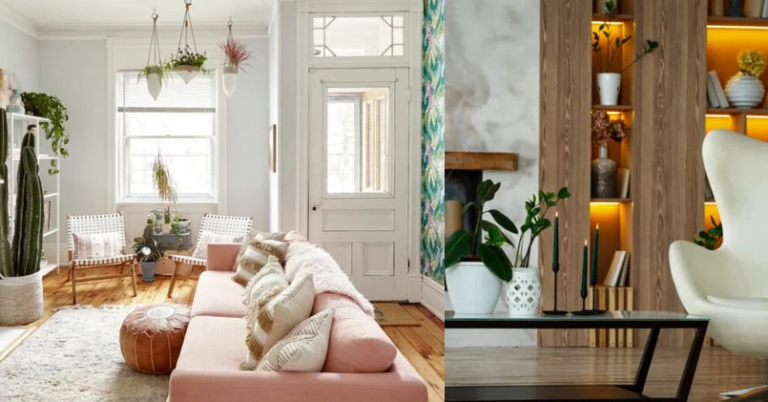
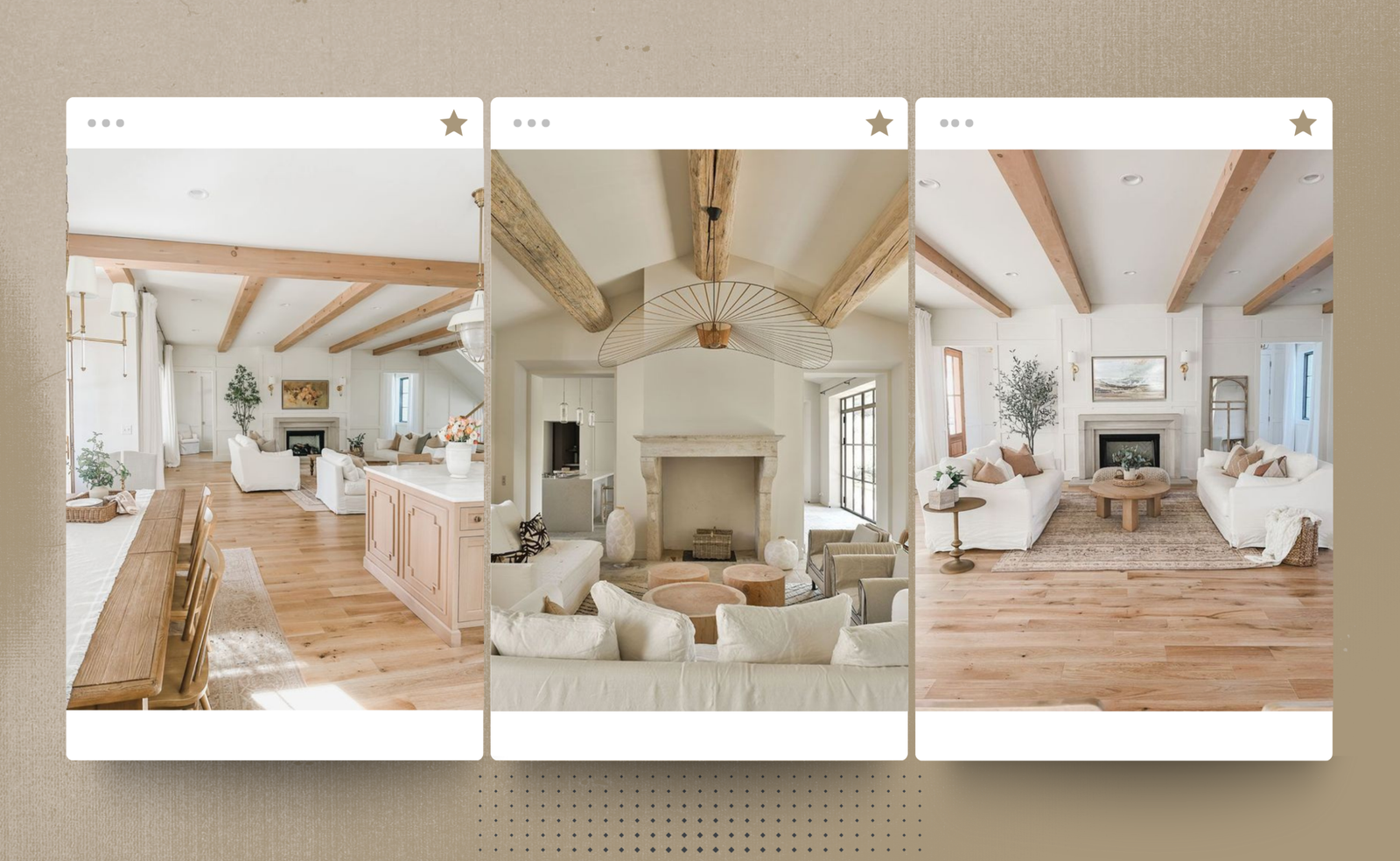
The palette is more specific than “white and blue.” What actually works is a soft off-white or warm cream as the base, not bright white, which reads too cold and clinical. Then two or three accent colors pulled from the coast: a muted cerulean, a dusty sage, or a sandy tan. The mistake I made in my first attempt was using too many saturated colors at once. One accent wall in a mid-strength blue looked great. Three rooms with competing ocean tones looked like a paint store explosion.
Benjamin Moore’s White Dove is a reliable base for this style. Sherwin-Williams Sleepy Blue is the accent color I’ve come back to twice now. Both are mid-range prices and they photograph well, which matters if you ever want to document the space. What I’d avoid: anything in the teal family. It pushes the look toward a more retro Floridian vibe that doesn’t read as farmhouse at all.
Why the Wood Element Confuses People
Most beach farmhouse mood boards show reclaimed-looking wood everywhere. But there’s a meaningful difference between warm-toned reclaimed wood, which reads as farmhouse, and the cool gray driftwood finish, which reads as coastal. Using both in the same room without intention makes the space look like you couldn’t decide what you wanted.
My rule: pick one wood tone and use it throughout the room’s focal pieces. Usually that’s the coffee table, a shelf, or the bed frame. Let the other tone show up in smaller accessories only. The anchor pieces should agree with each other. Contrary to what every mood board suggests, you don’t need actual driftwood in your living room. A piece of furniture with a light, weathered finish does the same job without looking like a craft fair display.
The Furniture Decisions That Matter Most
Sofas and Seating at Real-World Prices
For the main seating, you want something that reads as relaxed without looking worn out. That usually means a slipcover sofa or a linen-textured piece in off-white, cream, or soft warm gray. I’ve used the IKEA Ektorp with a third-party slipcover twice and it works well for this aesthetic. The sofa runs around $600 new and a $150 aftermarket linen slipcover gets you exactly the color you need. That’s a $750 solution that genuinely looks intentional.
Dark leather sofas don’t work here. I’ve seen people try to make it part of a “farmhouse” story, and it fights the coastal brightness too much. If you’re renting and can’t change the sofa, lean into throws in lighter colors and a jute rug to offset it. The rug does more to neutralize a wrong sofa than any number of throw pillows.
The Coffee Table Problem (and the $40 Solution)
Most coffee table options in this style are either too expensive, live-edge slabs from boutique stores at $400 plus, or too obviously from a big-box store where you can spot the origin from across the room. What I’ve had luck with is looking for secondhand wood tables on Facebook Marketplace and then leaving them as-is or giving them a quick light sand and whitewash. A $40 secondhand table with two hours of work can look just as intentional as a $300 purchase. I’ve done this and genuinely could not tell in photos which one cost what.
If you want to buy new and stay under $200, the Threshold brand at Target carries weathered-finish pieces that blend into this style without looking forced. The key detail to look for is whether the finish reads warm or cool. Go warm: honey tones and light brown. Avoid anything that looks overly gray or ash-colored, which pushes toward a different aesthetic entirely.
The Rug That Grounds Everything
A jute rug in the living room is the single fastest way to ground a beach farmhouse space. It adds texture, warms up a hard floor, and doesn’t compete with any of the color accents you’ve built elsewhere. I’ve used one in every space Decorating this way. The Safavieh Natural Fiber collection has held up for me through a dog and two full years of use. Budget around $80 to $150 for a 5×7, and get it a size bigger than you think you need. A rug that’s too small makes a room feel uncertain.
Accessories: Where to Spend and Where to Save
Textiles That Do the Heavy Lifting
Throw pillows in this style are working hard. You want a mix of textures: one smooth cotton in a coastal color, one with a subtle woven or stripe pattern, and maybe one in a natural material like jute or linen with simple detail. Three pillows per sofa. No more. Every time I’ve added a fourth, I’ve regretted it within a week and put it back in the closet.
Curtains are underrated. Sheer linen panels in white or natural let daylight in while still defining the window, and they’re cheap: Amazon and IKEA both carry them under $30 per panel. I’ve layered IKEA Lill sheers under slightly more substantial curtains as a budget base layer, and it works. The sheer softens the light in a way that’s hard to replicate with more expensive single-layer options.
Wall Decor Without the Tacky Trap
Most beach farmhouse wall decor mistakes come from buying something too on-theme. The ceramic starfish. The word BEACH in shiplap letters. These things signal that you’re trying, which undercuts the feeling of a naturally lived-in space. The best beach farmhouse rooms look like someone just happens to like coastal colors, not like someone declared a nautical theme.
What works better: one or two pieces that reflect the palette and texture of the style without literally depicting coastal life. A watercolor print in soft blues and greens. A woven wall hanging in natural fibers. For a personal touch, I’ve printed large-format photos from a road trip to the Texas coast and had them framed locally for under $50 total. They look like bought art from across the room. For a living organic element, using dried botanicals and fresh flowers adds to the natural material story without committing to anything permanent.
The Lighting Detail That Changes Everything
One thing almost no guide mentions: light bulb temperature kills or makes this aesthetic. Cool-white bulbs, the daylight 5000K type, drain all the warmth out of natural textures. Jute looks flat. Wood looks gray. Linen reads as institutional. Warm-white or soft-white bulbs at 2700K or below make those same materials glow the way they’re supposed to. I changed the bulbs in my a rental city living room to IKEA LEDARE warm dim bulbs and the room looked immediately more cohesive without moving a single piece of furniture.
If you’re in a place where you can add a pendant light, a rattan or woven fixture over a dining table is worth the money. They run $80 to $200 and do more visual work than most accessory purchases. The natural material overhead reinforces every other natural element in the room.
DIY: What’s Actually Worth Your Time
One DIY That Makes a Real Difference
The striped accent wall gets referenced everywhere in beach farmhouse content, and it actually works. Two colors in horizontal stripes, soft white and a muted coastal blue, on a wall behind a sofa or bed changes the room’s entire feel. I did this in a rental by using removable peel-and-stick wallpaper cut into strips instead of paint. It took a Saturday afternoon, about $40 in materials, and it came off clean when I moved out. Not one thing went wrong with it, which surprised me.
If you’re not in a rental, the painted version is more durable and easier to get crisp lines on. Use painter’s tape and commit to two coats per color. Rush it and the lines bleed. Take your time and it looks professional.
What to Just Buy Instead of Making
Mason jar centerpieces are everywhere in this style, and every DIY guide tells you to make your own. I’ve done it. By the time you buy the jars, the paint, the sand, and the shells, you’re at $20 to $25 and an hour of your time. At that price point you can buy ready-made versions that look more polished. Save the DIY effort for projects that can’t be bought cheap, like the accent wall or a whitewashed coffee table. The mason jars are not the move.
If you’re working on a tighter budget and want to get maximum style coverage from fewer pieces, it’s worth looking at how beach farmhouse decor overlaps with boho farmhouse decor. They share a lot of the same natural material choices with a different color emphasis, and mixing a few elements from both can add depth without buying more.
Making Beach Farmhouse Decor Work in a Rental
I’ve done this style in three rentals, so I know exactly what’s possible without making permanent changes. Removable peel-and-stick wallpaper works as an accent wall. Command strips hold the woven art and gallery frames without commitment. Freestanding shelving, IKEA KALLAX in white or a wood ladder shelf, gives display space without putting holes in the wall.
The elements that require real commitment, built-in shiplap, fireplace mantels, floor-to-ceiling storage, can often be approximated. A faux shiplap look from peel-and-stick panels is convincing enough from across a room. If you want the fireplace anchor point, there are farmhouse fireplace ideas specifically designed for rental-friendly installation, including freestanding electric fireplace inserts that look the part without any structural work.
The beach farmhouse style is actually well-suited to rentals because it’s additive rather than architectural. The bones don’t matter as much as the layering. This is similar to surf shack interior design, where the vibe comes from objects, light, and texture rather than structure. Both styles reward good sourcing over expensive renovation. If you’re working with an ugly starting point, start with the rug, the light bulbs, and the curtains. Those three things alone will shift the room’s feel before you buy a single piece of decor.
Frequently Asked Questions
What is beach farmhouse decor?
Beach farmhouse decor is a style that blends the warm, rustic textures of traditional farmhouse design with the light, airy colors of coastal living. Think weathered wood, natural fibers like jute and linen, and a palette of soft whites, muted blues, and sandy neutrals. The goal is a space that feels relaxed and livable, not themed.
How do I start decorating in the beach farmhouse style on a budget?
Start with three changes: swap your light bulbs to warm white at 2700K, add a jute rug, and replace any dark or heavy curtains with sheer linen panels. These three moves shift the feel of a room more than most furniture purchases. After that, look for secondhand wood pieces on Facebook Marketplace and add coastal color through throw pillows rather than paint.
What colors work best for beach farmhouse decor?
Use a warm off-white or cream as your base, not bright white. Add one or two accent colors from the coastal range: muted cerulean, dusty sage, or sandy tan. Avoid saturated teal, which reads more retro Florida than farmhouse. Benjamin Moore White Dove and Sherwin-Williams Sleepy Blue are reliable choices that work well together.