European Farmhouse Decor: Stone, Thick Walls, and Shade

I found european farmhouse decor by accident, late one evening scrolling through photos of a Provence countryside rental someone had posted in an a rental city home design group. The exposed stone walls, the worn oak table, the way linen curtains pooled slightly on a terracotta floor. I saved the photo before I even processed what I liked about it. Then I spent two hours trying to figure out how to get any of that feeling into a typical apartment.
That’s when I realized European farmhouse is its own thing, not American farmhouse with different accessories. The distinction matters a lot if you’re trying to actually do it, because the mistakes are specific, and most of them come from misunderstanding what makes the style feel real versus staged.
What Separates European Farmhouse from the Farmhouse You Know
It Looks Lived-In Because It Actually Is
American farmhouse is consciously styled: shiplap, matching galvanized accents, signs with words on them. European farmhouse looks like the house was genuinely lived in for two hundred years and stopped trying to look like anything a long time ago. The patina is real. The imperfections weren’t designed. This is the trap most people fall into when they try to recreate it on a budget: they buy new things that look old, which almost always looks fake.
I learned this when I ordered a set of “distressed” farmhouse chairs online. They were fine in the product photos. Out of the box, they looked immediately obvious: too uniform, too perfectly chipped, the distressing applied in the same spots on every chair. The pair I found three months later at an estate sale for half the price looked right because they were right, worn by actual use rather than a factory finish. That difference is the whole thing.
Stone and Plaster Instead of Shiplap
If you look at the European farmhouse rooms that feel most authentic, notice what’s on the walls. It’s usually stone, exposed brick, lime plaster, or plain white with enough texture to catch the light. Shiplap is an American tell. If you’re renting and can’t touch the walls, this is where heavy rugs, properly scaled furniture, and textile layering carry most of the work. The goal is surfaces that feel like they absorbed something over time, not surfaces that were recently installed to look old.
The Materials That Actually Create the Look
Linen Is the Starting Point
Linen drapes, linen throw pillow covers, linen tablecloths. The texture reads so differently from cotton and polyester that it’s the single fastest way to shift a room toward the European farmhouse register. IKEA’s DYTAG and LJUSÖGA curtain lines are genuinely good for the price, especially if you need a lot of yardage. For smaller items, Etsy has reliable sellers in Lithuania and Poland offering made-to-measure pieces in undyed natural linen for around $15 to $25 per pillow cover.
The one investment worth making, if there is one: a proper linen duvet cover. Cultiver, Rough Linen, and Bed Threads all make sets in the $150 to $200 range that soften with every wash and last for years. Linen bedding is not a category to buy cheap in and replace. It’s one of those things where the price difference is immediately obvious in the hand and in how it photographs.
Solid Wood With Real Wear, Not a Dark Stain
The wood in European farmhouse rooms typically has two qualities: it’s solid rather than veneer, and it shows actual wear. Knots, variation in grain color, maybe a small old repair. What you want to avoid is the uniform dark stain applied to new oak to make it look old. It almost always looks fake. The grain is too consistent. The color is too even.
On a budget, solid oak and pine pieces are easy to find on Facebook Marketplace and at estate sales. Something that looks rough is usually more authentic than something that looks polished. A coat of beeswax finisher is usually all a piece needs once you get it home. The transformation from “ugly old table” to “perfect farmhouse table” is sometimes just cleaning and one afternoon with a tin of Briwax.
Building the Color Palette Without Getting It Wrong
The Neutrals Are Layered, Not Flat
Most people pick a white paint color and stop there. What European farmhouse rooms actually do is layer multiple whites, creams, and linens across surfaces: the walls might be a cool bright white, the linen a warm ivory, a ceramic piece a softer cream. The combination creates depth that a single neutral doesn’t give you. If a neutral room feels flat or cold, this layering is almost always what’s missing.
I’d also push back on the habit of adding one intentional color accent to break up the neutrals. Muted olive, dusty sage, faded terracotta can work, but only when they arrive naturally: through a plant, an old ceramic piece, a genuinely vintage rug. A teal pillow bought specifically for color will usually look out of place, and you’ll know it the moment you sit the room down and look at it.
Let the Materials Provide the Color
A piece of raw oak has its own warm honey tone. A stone-look tile has ochre and grey running through it. Natural linen is its own particular shade. When the material palette is varied enough, the color question largely answers itself. I didn’t add a single intentional color accent to my living room when I started moving in this direction. The oak table, linen curtains, and a terracotta bowl I found at a thrift store for $6 gave the room all the warm-to-cool contrast it needed.
The Kitchen Is Where European Farmhouse Really Shows
Function and Look Point in the Same Direction
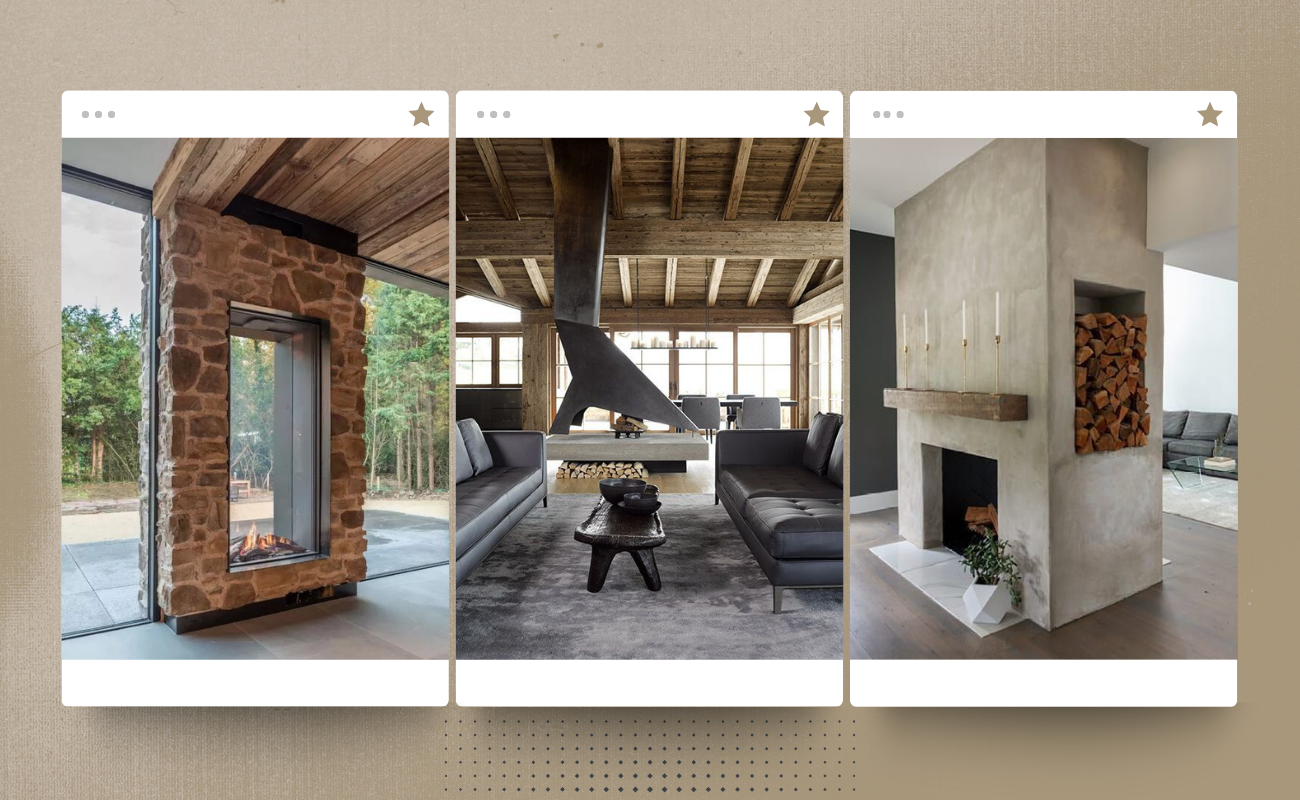
European farmhouse kitchens feel coherent because nothing in them is purely decorative: a farmhouse sink that’s the right size for the counters, open shelving with dishes that are actually used, a wooden chopping board left out because it gets used every day. The style happens to be beautiful, but it doesn’t look like someone styled it for a photo. A modern farmhouse fireplace does something similar in a living room: it gives the eye an anchor that feels functional rather than decorative. The kitchen equivalent is usually the sink and the counters.
What you want to avoid: stainless steel appliances as the main visual statement, high-gloss cabinet finishes, and recessed overhead lighting as the only light source. These three choices are what make a kitchen look like a renovation rather than a room with history.
Open Shelves Are Edited, Not Arranged
One honest thing about open shelving: it only works if what’s on it is actually in use. The shelves that look best in European farmhouse kitchens are the most edited ones. A pitcher that holds spatulas. A crock with salt. Dishes stacked because that’s where they live. If you’re arranging objects specifically to look good, they will look arranged. The difference between a styled shelf and a used shelf is visible immediately to anyone who looks at it for more than two seconds.
For ideas on how the same layering principle works in a slightly different context, the approach in farmhouse cottage decor is worth comparing directly. The editing criteria shift depending on how warm versus rustic you’re going, but the core principle is the same: less and more intentional always beats more and arranged.
Vintage Pieces Worth Hunting Down
Ceramics and Pottery First
Estate sales and antique shops are better sourcing grounds for european farmhouse decor than most retail stores. Specifically: hand-thrown pottery with visible imperfections, old wooden boxes or frames with actual patina, and linen or wool textiles with natural dyes. You don’t need many pieces. Three or four in a room do more than a shelf full of things bought at HomeGoods trying to look old.
I found a set of hand-thrown French ceramic bowls for $18 total at an estate sale in South a rental city. They have been on my kitchen shelf for three years. The budget version of this sourcing approach is Etsy’s vintage category and thrift stores in older residential neighborhoods, where the inventory skews older and more varied than in college-area stores.
Mismatch Is the Point
Don’t try to coordinate everything. European farmhouse rooms look lived-in because the things in them were accumulated over time rather than selected all at once. A candlestick from one era, a plate from another, a rug that predates both. When everything is roughly the same quality level and material family, the mismatch signals authenticity. This is where the style most clearly separates from American farmhouse, which tends toward matching collections and sets.
Seasonal details work the same way. Flowers in home decor have a place in European farmhouse rooms specifically because they’re impermanent and slightly imperfect: a small bunch in a wide ceramic pitcher, or a few stems in an old glass bottle. Nothing arranged. Nothing in a purpose-bought vase. The spontaneity is what gives them their effect.
Frequently Asked Questions
What is European farmhouse decor?
European farmhouse decor is a style rooted in the lived-in aesthetics of rural homes across France, Italy, and England. It combines natural materials like stone, solid wood, and linen with a neutral color palette and an emphasis on pieces that have genuine age and patina. Unlike American farmhouse, the style avoids anything that looks consciously styled or recently installed to look old.
How is European farmhouse different from American farmhouse?
American farmhouse leans toward clean, matching elements: shiplap, galvanized metal accents, coordinated sets. European farmhouse emphasizes genuine age, accumulated pieces from different eras, and materials like stone and lime plaster over painted wood paneling. The main practical difference: you source European farmhouse rather than buy it new.
Where can I find European farmhouse decor pieces?
Estate sales, antique shops, and Etsy’s vintage category are the most reliable sources. Look specifically for hand-thrown pottery, solid wood furniture with real wear, and linen textiles from European sellers (Lithuania and Poland have strong options). For curtains and larger textiles, IKEA’s linen ranges offer good value.
What is the most common mistake in European farmhouse decorating?
Buying new items designed to look old. The distressed finish on a factory-made piece is almost always obvious up close, and it undercuts the entire look. The better approach is patience: shop estate sales and thrift stores for pieces that developed their patina through actual use. It takes longer but the result is noticeably different.
Do I need a large budget to achieve European farmhouse decor?
No. The most important elements of the style (linen textiles, solid wood furniture, hand-thrown ceramics) are all findable on a budget through estate sales, Etsy, and thrift stores. The one area worth spending more is linen bedding, where the quality difference between cheap and mid-range is immediately obvious. Everything else can be sourced second-hand.