How to Style a Modern Mexican Interior Design Kitchen

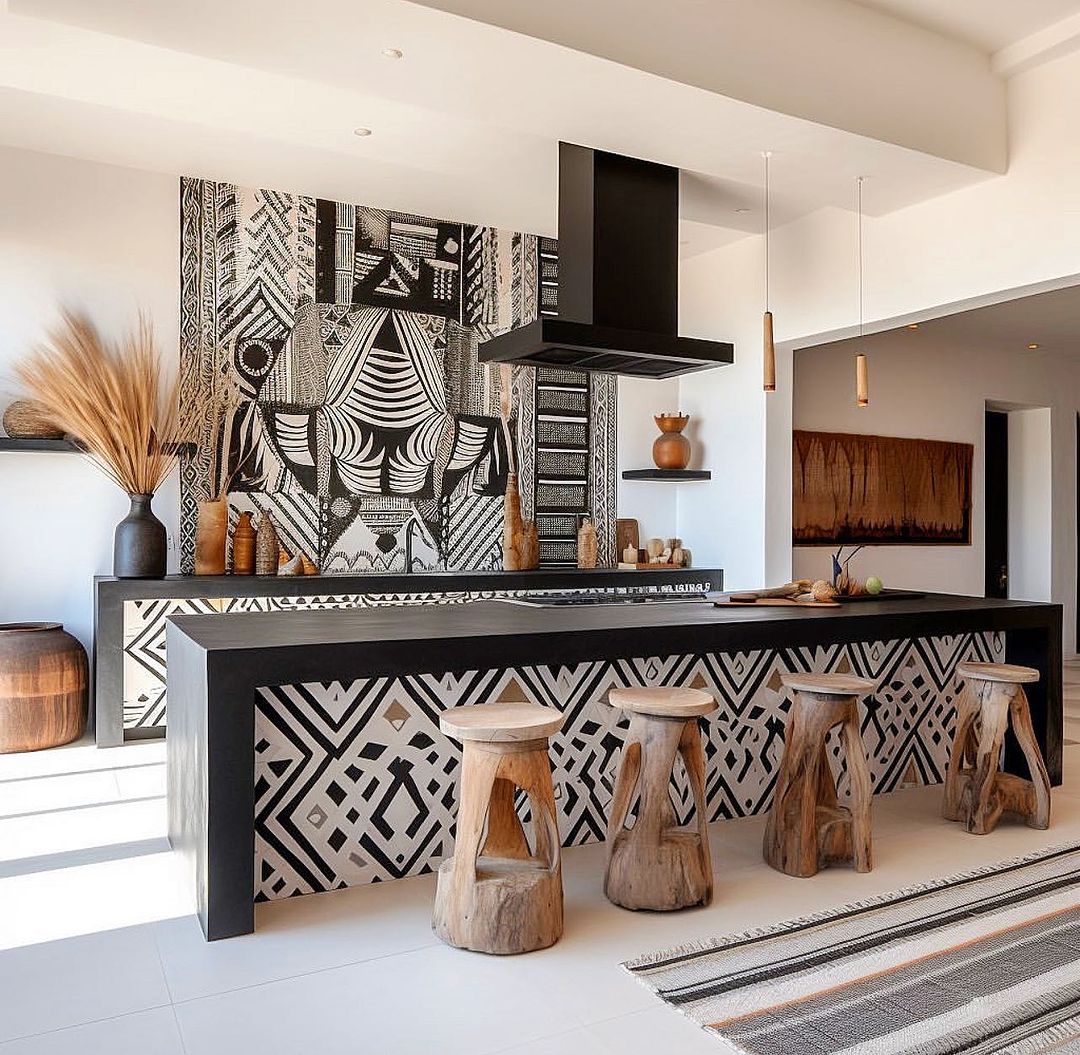
I’ve been circling the modern Mexican interior design kitchen aesthetic for a couple of years now. Living in a rental helps. The first time I walked into a friend’s kitchen in East a rental city and saw actual Talavera tiles on the backsplash next to open pine shelving and copper pendant lights, I thought: that’s it. That’s the style I’d been trying to name for months of scrolling.
What surprised me is how liveable this aesthetic actually is. Modern Mexican kitchen design isn’t reserved for people with sprawling hacienda-style homes. It scales down. It works in apartments. Some of the signature elements are more budget-friendly than they look if you know what to prioritize. Here’s what I’ve figured out about pulling this together without it tipping into theme-restaurant territory.
Getting the Color Foundation Right
Color is where most people get nervous about Mexican kitchen design. They see reference photos full of terracotta, cobalt, and saturated green and immediately scale everything back to tasteful neutrals. The problem is that a toned-down version of this style tends to look like it’s missing something, because it is. The warmth and energy of the palette is load-bearing. It’s not decoration on top of the design, it is the design.
Open Kitchens Need an Anchor Color
More Hawaiian and tropical-leaning interiors with open light, natural texture, and indoor plants carrying the mood.
In a more open kitchen layout, the color question becomes about picking one anchor tone and committing to it. Here, the terracotta-adjacent wall tones do that work. The exposed beams and clay pots don’t have to try hard because the wall is already doing the heavy lifting. If you’re starting from white walls, my suggestion is to paint one accent wall in a deep earthy tone before buying anything else. That single decision will tell you which direction to take everything else from there.
Rustic Warmth Without the Clutter
A few related Pinterest references in the same visual family as the section above.
This is the version of the aesthetic that leans into the rustic without letting it get chaotic. The dark wood upper cabinets paired with lighter countertops give the kitchen visual weight without feeling heavy. The warm terracotta accents appear in small displayed pieces rather than covering every surface. That restraint is what makes the rustic elements feel intentional rather than accumulated. When Trying a similar approach in my own kitchen, I found that three anchor pieces in that earthy palette was enough. Beyond that it started to feel overwhelming rather than cozy.
How Natural Materials Warm Up the Space
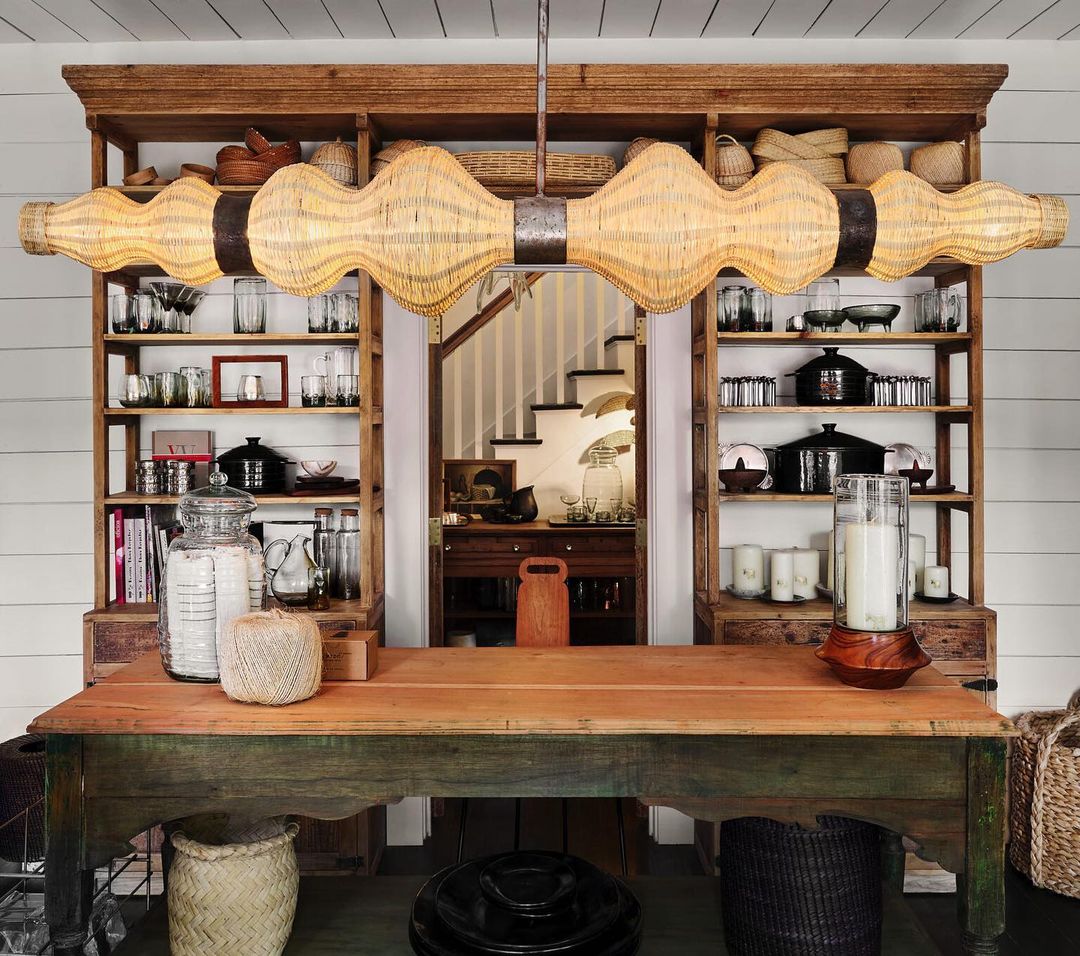
Wood, clay, and woven materials warm up a space in a way that paint alone can’t. This kitchen mixes exposed wood with ceramic surfaces and the result feels grounded without being dark. The wooden ceiling adds texture overhead, which is an element a lot of people overlook entirely. If a full ceiling treatment isn’t an option, a wood-beam detail or even a floating shelf in warm-toned wood can introduce that layered quality. Mexican kitchen aesthetics are particularly good at stacking textures vertically: wall, counter, and ceiling all contributing to the warmth.
Hanging Plants as a Low-Cost Color Layer
A few related Pinterest references in the same visual family as the section above.
Fresh green is an underrated element in Mexican kitchen design. Hanging plants near a window or above an island add color that feels alive, not applied. This is particularly useful if you’re working in a rental and can’t paint. Plants do some of the work that wall color would otherwise do. I currently use a trailing pothos and a few small air plants on my kitchen shelves as a low-commitment way to bring green into a predominantly white kitchen. Most of these plants cost less than a tile sample, which makes them the most cost-effective starting point in this whole aesthetic.
Talavera Tiles: The Element That Changes Everything
If there’s one material that defines the modern Mexican interior design kitchen, it’s Talavera tile. Hand-painted, high-contrast, and immediately recognizable, it’s the element that signals the whole aesthetic most clearly. The question isn’t whether to use it but where and how much. Contrary to what you see in a lot of inspiration boards, you don’t need a full tile wall to make it work. A focused application often reads better than total coverage.
Classic Talavera Backsplash in White and Earth Tones
A few related Pinterest references in the same visual family as the section above.
This is the classic application. White base tiles with hand-painted floral and geometric motifs create a backsplash that functions as artwork. The design principle is keeping everything around the tiles relatively neutral: light countertops, simple cabinet hardware. That gives the tiles room to be the visual focus. I’ve seen this done poorly when the cabinet color is too strong and ends up competing with the tile pattern for attention. The tiles win when the surrounding elements support them quietly.
When a Full Tile Wall Actually Makes Sense
A few related Pinterest references in the same visual family as the section above.
A full tile wall can work, but the rest of the kitchen needs to pull back significantly. Here the tile coverage is balanced by the simplicity of the lower cabinets and open, uncluttered counter space. The more of the wall you cover, the more restrained everything else needs to be. If your kitchen has a lot of competing elements: heavily patterned countertops, colorful appliances, open shelves full of mixed items, then a full tile wall will add to the noise rather than anchor it.
Green Talavera: The More Surprising Choice
A few related Pinterest references in the same visual family as the section above.
Green Talavera is less common than the blue-and-white version, which is exactly why it’s worth considering. The saturated green palette draws from traditional Mexican painted pottery and creates a kitchen that feels distinctly botanical. This works particularly well if the rest of the kitchen uses warm wood tones, since the green and warm brown combination has a natural, almost forest-floor quality. My honest take: green Talavera is the more adventurous choice and it pays off more consistently than I expected when I first started researching this aesthetic. Most people are afraid of it. That fear is mostly unfounded.
Blue and White: The Most Iconic Pattern
A few related Pinterest references in the same visual family as the section above.
Blue and white is the most iconic Talavera combination, borrowed from the Puebla pottery tradition. These tiles carry the most immediate visual signal of Mexican design. A pattern this strong as a backsplash will define the aesthetic of the entire kitchen, so commit to it fully rather than hedging with competing colors elsewhere. The budget version of this is Talavera-style tile stickers, which work well on smooth, flat existing tiles and are easily removable. A practical option for rental kitchens that I’d genuinely recommend trying before committing to real tile.
Solid Tile as a Backdrop for Colorful Accessories
A few related Pinterest references in the same visual family as the section above.
Not every surface needs a hand-painted pattern. This approach uses solid-color square tiles in a warm terracotta palette as the backdrop, which lets the displayed pottery and hanging plants carry the decorative weight. It’s a more restrained version of the aesthetic and one that works well for people who love the style but feel uncertain about committing to a busy backsplash pattern. The tile color still signals Mexican design clearly without requiring the full commitment of detailed Talavera work.
Open Shelving, Layout, and Using Vertical Space
Mexican kitchen design makes extensive use of open shelving, not just as a practical choice but as a display strategy. The idea is that daily-use items like pottery, woven baskets, and ceramic dishes are decorative in themselves. This only works if the displayed items are intentional. Random stacks of mismatched containers on open shelves will undercut the look immediately, regardless of how good the tile work is.
Open Shelves Work Best With a Curated Selection
A few related Pinterest references in the same visual family as the section above.
This kitchen shows what thoughtful open shelving looks like in practice. The items on each shelf follow a loose color and material logic: ceramics clustered together, plants adding organic interruptions, nothing that looks accidental. The shelf height gives the kitchen a soaring quality that closed upper cabinets would eliminate. If you’re transitioning to open shelving, my practical advice is to leave only items you’d be willing to style out on display. Everything else goes into a closed lower cabinet. You can see how this same logic applies in hacienda-style kitchens, where open shelving with curated ceramics is central to the look.
When the Backsplash and Counter Work Together
A few related Pinterest references in the same visual family as the section above.
The relationship between the backsplash and countertop is one of the most important material pairings in any kitchen. Here, the strong green tile backsplash is balanced by a light, neutral counter that doesn’t compete. The counter acts as a visual resting place between the tile and the lower cabinetry. I’d apply the same logic to any high-contrast Talavera pattern: find a counter material that recedes rather than adds another layer of visual complexity. Butcher block tends to work well for this because its warmth is quieter than the tile without draining the color out of the space.
Using the Full Vertical Height
A few related Pinterest references in the same visual family as the section above.
This kitchen uses the full vertical space well. The tiles climb higher than a standard backsplash and the colored seating at the counter connects the lower and upper zones visually. Mexican design tends to treat the full height of the room as a canvas rather than focusing only at counter level. If you have high ceilings, consider tiling higher or adding a shelf that runs close to the ceiling line. What looks like empty space above eye level is often an opportunity to add another layer of the aesthetic.
Pendant Lights, Metals, and the Finishing Layer
Lighting in a modern Mexican interior design kitchen isn’t just functional. The fixtures themselves are part of the design story. Traditional pendant lights in copper, hammered iron, or woven materials all work within this aesthetic, and they’re one of the easier elements to add or swap without a full renovation. It’s a good place to start if you’re not ready to commit to tile work yet.
Copper Pendants Over the Island
A few related Pinterest references in the same visual family as the section above.
Copper pendant lights are one of the most consistently effective choices for this aesthetic. They carry the warmth of the terracotta palette and introduce a metallic element without the coldness of chrome or stainless. The hammered texture that appears on many copper fixtures is a direct reference to Mexican artisan metalwork. Practically speaking, copper pendants are available across a wide range of price points. I found solid-looking options in the $40-70 range that read well both in photos and in person. This is one of the places where the budget version genuinely works as well as the expensive version.
Textiles and Cushions as Transition Elements
A few related Pinterest references in the same visual family as the section above.
Mexican textile patterns: striped, geometric, high-contrast, are another signature element of the kitchen aesthetic. They appear as seat cushions, table runners, and dish towels, and they’re one of the easiest ways to test the palette before committing to bigger changes. Adding a pair of embroidered or woven cushions to bar stools costs very little and immediately signals the aesthetic direction. If the cushion pattern works in the space, the rest of the elements are easier to build around. This is where I’d start if you’re new to the style and not sure how far to go.
The Kitchen That Gets the Details Right
More Hawaiian and tropical-leaning interiors with open light, natural texture, and indoor plants carrying the mood.
What this kitchen gets right is the balance between strong statement elements and quieter supporting pieces. The Talavera backsplash is doing visible work, and everything around it: the cabinet color, the counter, the hardware, knows its role. The hanging dried botanicals above the window add a natural element without competing with the tile. Most of the well-executed Spanish and Mexican influenced kitchens I’ve seen share this quality: the room has a clear hierarchy. One element leads, the rest support.
Ceramics, Pottery, and What to Display
Ceramics are to Mexican kitchen design what houseplants are to Scandinavian interiors. They’re both structural and decorative. The right pottery on an open shelf or counter can do as much for the aesthetic as the tile work behind it. The wrong selection makes the space feel cluttered and accidental. The difference is usually in the editing, not the pieces themselves.
Handmade Ceramics as the Focal Display
A few related Pinterest references in the same visual family as the section above.
This is a good example of ceramics functioning as the focal point of a display rather than filling in space. The hand-thrown mugs and bowls are grouped loosely, with varying heights and some breathing room between pieces. The imperfection in the glazing and forming is part of the appeal: it signals handmade rather than manufactured, which is central to the Mexican craft tradition. Etsy and local ceramic markets are genuinely good sources for pieces like this at accessible prices. I’ve found that a collection of 4-6 pieces in a shared color palette reads much better than a larger collection of mixed styles.
Bar Stools and Counter Seating That Fit the Aesthetic
A few related Pinterest references in the same visual family as the section above.
Seating in a Mexican kitchen tends to use natural materials: woven leather, rattan, or solid wood with a distressed finish. Upholstered versions work if the fabric carries a recognizable Mexican textile pattern. What doesn’t work as well is sleek modern seating in chrome or molded plastic, which creates a tonal mismatch with the warmth of everything else. The seating here uses woven seats with natural wood frames, which is the practical middle ground: easy to find, not expensive, and reads correctly within the aesthetic.
The Dining Area: Where the Kitchen Becomes Social
Mexican interior design has always treated the kitchen as a gathering space rather than just a functional room. The dining area within or adjacent to the kitchen is part of the same design system. Keeping them visually consistent is what makes the overall space feel cohesive rather than two adjacent rooms that happen to share a wall.
A Dining Table That Carries the Material Story Forward
A solid wood dining table with visible grain and structural weight is the natural anchor for the dining area in a Mexican-style kitchen. This example uses a chunky-legged table with a warm stain that connects to the wood tones in the kitchen. The chairs in the rattan-and-wood combination continue the material logic without being perfectly matched. The consistent principle in Mexican-style dining spaces is that the materials stay warm and tactile throughout: wood, clay, woven fibers rather than switching to smooth, reflective surfaces at the dining zone.
Yellow Chairs: Risky or the Right Call?
A few related Pinterest references in the same visual family as the section above.
Yellow dining chairs are one of those choices that look risky until you see them in context and realize they’re actually the correct answer. Saffron and golden yellow appear throughout traditional Mexican color palettes, and in this context, the chairs aren’t a pop of accent color: they’re part of a coherent palette. The risk is less about the yellow itself and more about the specific shade. A cold or overly bright yellow can feel disconnected. Warm, slightly muted saffron reads as Mexican design. Neon yellow reads as contemporary accent. That distinction matters more than the color choice itself.
Frequently Asked Questions
What are the defining elements of a modern Mexican interior design kitchen?
The core elements are Talavera tile work on backsplash or accent walls, warm earthy color palettes using terracotta, cobalt, and saffron, natural materials like wood and wrought iron, handmade ceramics on open shelving, and copper or hammered-iron pendant lights. Modern interpretations keep these elements but use cleaner lines than purely traditional Mexican kitchens.
Do you need Talavera tiles to achieve this look?
Talavera tiles are the most recognizable element, but they’re not the only path into this aesthetic. Solid terracotta or warm-toned tiles, handmade ceramics, copper pendant lights, and warm wood tones can create a similar feel. Tile stickers that mimic Talavera patterns are a rental-friendly alternative that reads well at a distance and costs a fraction of real tile.
Can this kitchen style work in a small apartment?
Yes. The key is focusing on two or three signature elements rather than trying to incorporate everything. A Talavera backsplash, a set of open shelves with handmade ceramics, and one warm pendant light will establish the aesthetic clearly even in a compact kitchen. The mistake most people make is scaling back the color, which removes the core identity of the style.
What countertop material works best with a Mexican-style kitchen?
Butcher block is the most consistent choice. The warm grain texture connects well with the clay and wood elements in the aesthetic without competing visually with a Talavera backsplash. Light concrete or natural stone also works. High-gloss quartz in white or grey tends to create a tonal mismatch with the warmth of the rest of the palette.
Where can I source Mexican-style kitchen elements on a budget?
For Talavera tiles, specialty tile suppliers or online marketplaces that import from Puebla, Mexico are the best starting point. For ceramics, Etsy and local pottery markets often carry handmade pieces in the right palette for $15-40 each. Copper pendant lights are available in the $40-80 range from major online retailers. For textiles like cushion covers and table runners, Mexican import shops and weekend markets are the most affordable source.