Condo Interior Design: Small Spaces That Still Have Rooms

I moved into my first condo thinking it would feel like a punishment for not owning a house. Twelve hundred square feet, no yard, a kitchen roughly the size of a walk-in closet. What I didn’t expect was how much I’d come to love the constraints. Condo interior design forces you to be intentional in a way that larger homes don’t, and once you understand that, the whole project gets a lot more interesting.
Over the past few years I’ve learned that condo spaces reward a specific kind of thinking: deciding what actually matters to you, and building around that instead of filling every corner because you can. This guide covers the seven main areas I focus on whenever I’m working with a condo layout, from picking a design style that stays convincing in smaller square footage, to which plants won’t take over your windowsill. The keyword is intentionality, and I mean that in a practical sense, not as a buzzword.
Key Takeaways
- The best condo interior design starts with honest decisions about how you actually use each room, not how you imagine using it.
- In limited space, every furniture piece should pull double duty or earn its place through genuine function or beauty.
- Lighting and color do more heavy lifting in a condo than in a larger home. Getting those two decisions right matters more than almost anything else.
Understanding Condo Interior Design Space
The first thing I’d tell anyone starting a condo interior design project is to stop thinking in square footage and start thinking in layers. Most condos have enough room to feel genuinely comfortable. What they don’t have is room for wasted decisions. Every piece of furniture, every color choice, every lighting fixture either belongs in the room or costs you something.
Space Utilization
Maximizing Vertical Space: The walls in a condo are some of the most underused real estate in the whole apartment. I added open shelving above my desk that goes all the way to the ceiling, and it completely changed how the room felt. The eye travels upward, and suddenly the floor doesn’t seem crowded. Vertical storage also keeps surfaces clear, which matters more in a small space than people realize until they’ve tried it.
Open-Concept Layout: If your condo already has an open floor plan, work with it rather than against it. A lot of people’s instinct is to define every area with rugs and furniture placement, boxing off the kitchen from the living space, the dining area from everything else. Sometimes leaving sightlines open is exactly what makes a small condo feel less like a shoebox and more like a real home.
Furniture Selection: I spent two weeks trying to fit a sectional sofa into my living room before accepting it wasn’t going to happen. The piece I ended up with, a three-cushion sofa with a chaise that converts to a guest bed, solved three problems at once. In a condo, furniture that does only one thing is a luxury you usually can’t afford. That’s not a budget issue, it’s a space issue.
Lighting and Colors: Light walls and good overhead lighting make a real, measurable difference in smaller spaces. Testing this in my own place by swapping out dark paint for a warm white and adding a second lamp on the far side of the room. The space looked noticeably larger and cost under fifty dollars to change. Color and light are among the cheapest renovations in condo interior design and among the highest-impact ones.
Mirrors and Reflective Surfaces: One large mirror placed across from a window is one of the oldest tricks in condo interior design, and it works every time. I have a vintage floor mirror in my living room that bounces light from the south-facing window all afternoon. It looks intentional, it doubles the perceived light in the room, and it cost me thirty dollars at a thrift store. It’s the single best purchase I’ve made for that space.
The common thread in all of these is that good condo space utilization isn’t about apologizing for the size or making the space disappear. It’s about making it feel exactly as big as it needs to be for your actual life. For more specific ideas on this, the guide on making your apartment look more modern goes deeper on individual techniques that hold up in smaller square footage.
1. Design Styles
Modern Design

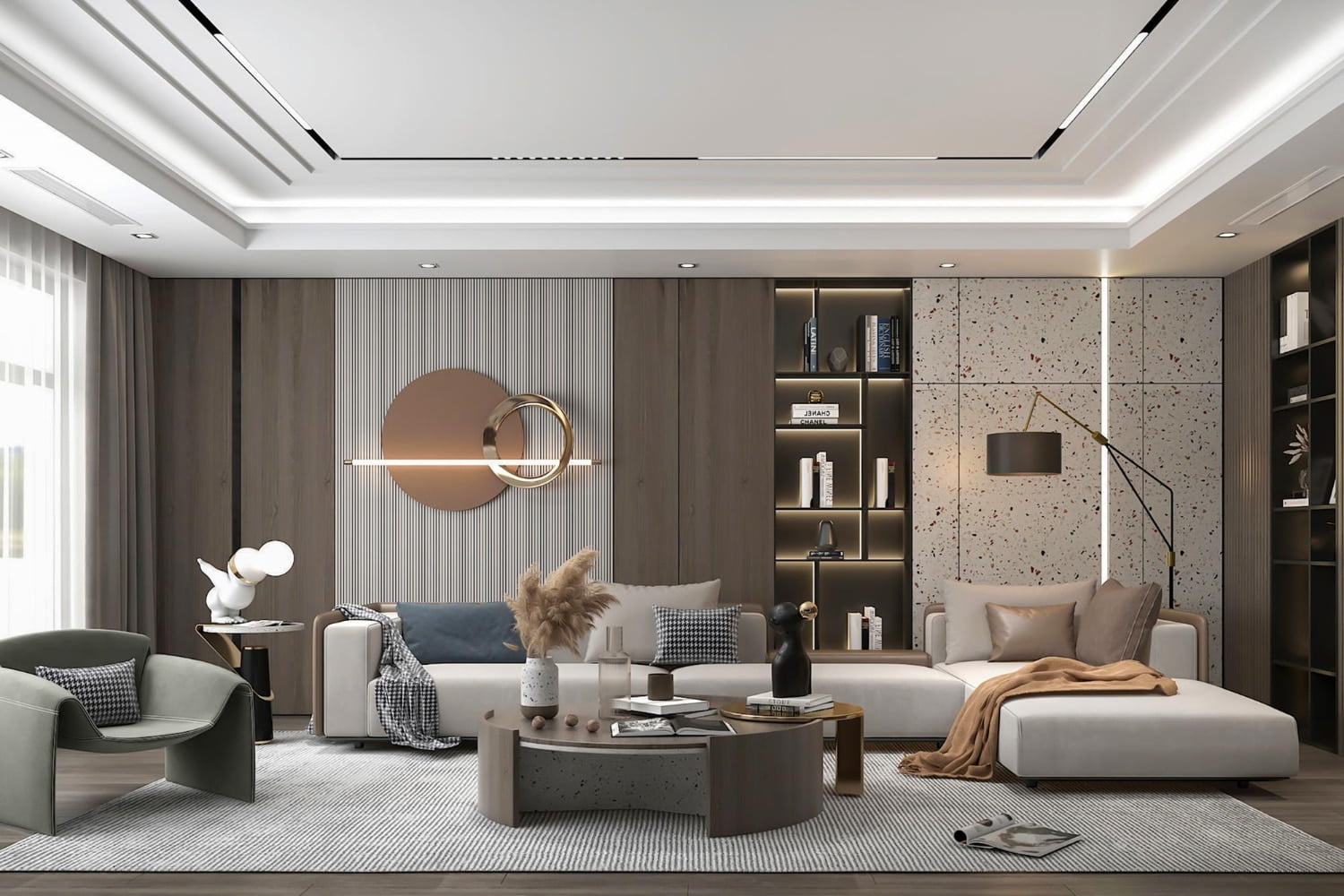
Modern design is probably the most popular choice for condo interior design, and I think it’s because it plays to the strengths of smaller spaces rather than fighting them. Clean lines, a restrained color palette, and furniture with clear purpose all make a condo feel put-together instead of cramped. The one thing I’d watch out for is tipping into cold. Modern interiors can feel like showrooms if nothing breaks the uniformity. The fix is usually simple: one piece with real texture, a warm-toned rug underfoot, or a single piece of art that has nothing to do with minimalism. That small point of contrast is what keeps the whole room feeling lived-in.
Minimalist Design

Minimalism in a condo isn’t just an aesthetic choice, it’s a practical one. I’ve gone through phases of adding more and then stripping back, and the stripped-back version wins every time in a small space. The thing I’d caution against is treating minimalism as a goal in itself. The point isn’t to have fewer things because fewer is somehow more virtuous. The point is to keep what what really matters and be honest about the rest. If you want to see how this plays out specifically in the bedroom, the neutral minimalist bedroom guide on this site goes through it in detail and covers the specific decisions that make the difference between a bedroom that feels calm and one that just feels empty.
Traditional Design

Traditional design in a condo is a harder balance to strike, and I say that as someone who genuinely loves the look. Rich colors, antique furniture, heavy drapes, all of it can work in a smaller space, but scale has to be right. One oversized armchair in a deep emerald velvet can anchor a condo living room beautifully. Five pieces of traditional furniture competing for visual space is a different story. My rule of thumb is to pick two or three traditional statements and keep everything surrounding them quiet. Crown molding and built-in cabinetry, if your condo has them, do a lot of the traditional work without consuming any floor space at all.
Industrial Design

Industrial design is interesting in a condo context because it works better in smaller spaces than people expect. Exposed brick, raw wood shelving, and metal pendant lights don’t take up physical room. They add visual weight and character without crowding the floor. I used this approach in a home office corner: a metal-frame desk, open shelving made from pine boards and pipe brackets from a hardware store, and a bare Edison bulb overhead. The whole setup cost under two hundred dollars and looks like something out of a design magazine. In condo interior design, industrial style rewards a budget-conscious approach in a way that traditional or maximalist styles don’t.
2. Color Schemes
Color is one of the most powerful decisions in condo interior design, and one of the easiest to get wrong. I’ve made all the classic mistakes: a feature wall that was too dark and made the room feel like a cave, an accent color that clashed with furniture I’d already bought, a “neutral” beige that turned orange under artificial light. What I’ve learned is that color needs to be tested in the actual space before committing. Paint a patch and look at it at different times of day, in different light conditions, before buying a full can.
Neutral Palette

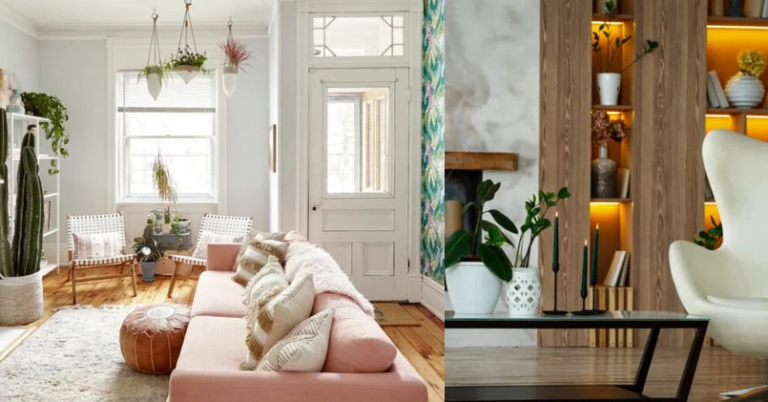
A neutral palette is where I keep landing, not because it’s the safe choice, but because it gives you the most flexibility over time. When the walls are warm white or soft greige, you can swap out cushions, rugs, and artwork without repainting anything. I’ve changed the entire feel of my living room three times in two years just by rotating accessories, because the base was neutral enough to work with almost anything. For visual interest, texture does more work than color in a neutral scheme: linen pillows, a jute rug, a wooden tray on the coffee table. These add dimension without adding noise to the room.
Vibrant Colors

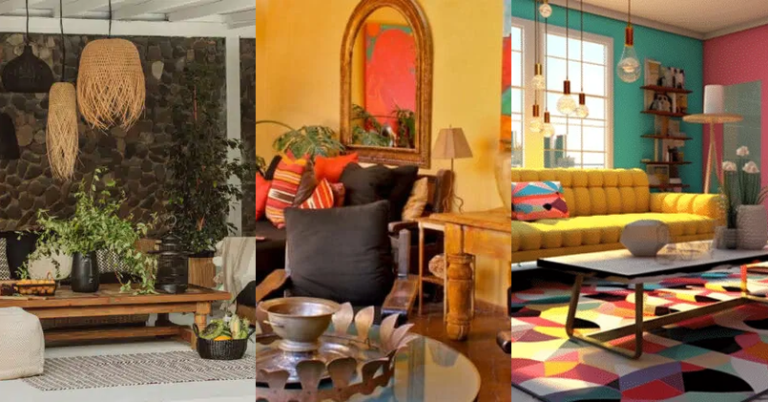
If you want color, go for it, but have a plan before you start. The mistake most people make with vibrant colors in a small condo is using them everywhere at once, which ends up feeling chaotic rather than energetic. My suggestion is to pick one wall or one piece of furniture as the color anchor and keep everything surrounding it in check. A deep teal sofa against white walls and light wood floors looks confident and deliberate. The same teal spread across three walls of a small living room tends to close things in and make the space feel compressed rather than lively.
Monochromatic Scheme

A monochromatic scheme is one of the most underrated approaches for condo interior design. Working within one color family, from pale versions to deeper saturated ones, creates a visual harmony that comes across as sophisticated without a lot of effort. Tonal layering, the same idea applied across furniture and walls, makes small rooms feel complete rather than sparse. If you want to understand the logic behind why this works, the harmony in interior design guide explains the principle in detail and is worth the reading time before you commit to a palette.
Color decisions affect every other decision in your condo interior design, so take the time to get them right. Paint a small section of wall and live with it for a few days before committing. What looks right in a store sample can genuinely surprise you once it’s surrounded by your actual furniture, flooring, and light conditions.
3. Furniture Selection
Furniture is where most condo interior design projects either succeed or fall apart, and In practice, the reason is almost never budget. It’s scale. I see it constantly when people post their apartments online: beautiful individual pieces that don’t work together because nobody thought about how much visual space each one takes up or how they relate to each other in a room.
My starting point is always the sofa, since it’s the largest piece in most living areas and sets the scale for everything else. In a condo, I lean toward pieces with visible legs rather than pieces that sit flush with the floor. The gap between the bottom of the sofa and the floor lets light pass under, which makes the room feel less blocked. It’s a small thing that makes a noticeable difference, and it costs nothing extra to look for it when you’re shopping.
Multi-functional furniture isn’t a trend, it’s genuinely essential in smaller spaces. A bed with under-frame drawers replaces a dresser. An ottoman with internal storage replaces a side table and a blanket chest in one piece. A dining table that extends from four seats to six handles both Tuesday dinner and a holiday gathering without needing a second table stored somewhere. None of this has to be expensive. IKEA and Target both carry options that pull double duty without looking like they’re trying too hard to be clever about it.
The other thing worth paying attention to is color and material consistency. It doesn’t mean matching everything, it means making sure the pieces in a room feel like they belong together. A white sofa, warm wood coffee table, and black-framed bookshelf hold together as a cohesive room because they’re working in a similar tonal range even though the materials are different. Add a bright orange accent chair and it’s a different conversation entirely, which can work or feel jarring depending entirely on whether it was thought through.
Lighting often gets sorted last in a furniture selection process, which is the wrong order. Decide early where your floor lamps and table lamps will go, and choose furniture that leaves room for them. A sofa pushed so far against the wall that there’s no room for a side table and lamp loses one of the most functional elements in a living room. The light next to the sofa matters more than the overhead fixture in most evening use.
4. Lighting Arrangements
Lighting in a condo does three things: it makes the space functional, it affects how colors and textures come across, and it determines mood. Most condos come with one overhead fixture per room, which is not enough for any of those three jobs. Building a layered lighting scheme is one of the highest-impact changes you can make in condo interior design, and it doesn’t require rewiring anything.
Artificial Lighting

Layered artificial lighting is the standard recommendation from every designer I’ve read or spoken to, and In practice, it’s genuinely worth doing. The idea is to have light coming from multiple points at different heights, so the room feels lit rather than simply illuminated from above.
- Ambient Lighting: This is the general background light in a room, usually from a ceiling fixture or recessed lights. I switched the main ceiling fixture in my living room from a harsh overhead to a warm-toned flush mount, and it changed the entire character of the space at night. Warm white bulbs around 2700K make a condo feel more like a home and less like a waiting room.
- Task Lighting: Desk lamps, reading lamps, and under-cabinet lights in the kitchen are all task lighting. These are the lights you use when you’re actually doing something specific. The key is to have enough of them so you’re not straining your eyes, without making the whole space feel like an operating room.
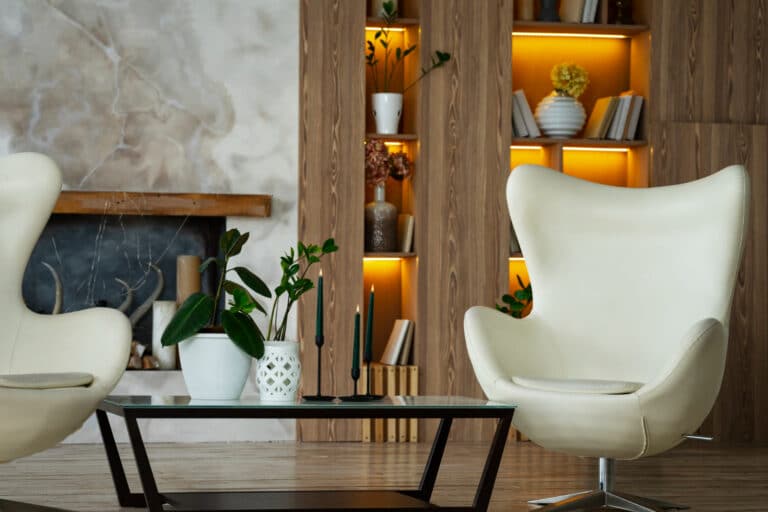
- Accent Lighting: These are lights that point at something specific: a piece of art, a bookshelf, an architectural feature. They’re not necessary in every room, but in a condo they add depth and make the space feel considered rather than just furnished. A small adjustable spotlight aimed at one good print on the wall does a lot for very little money.
Natural Lighting

Natural light is worth treating as a design element rather than just a given. In a condo, the window orientation and the floor you’re on will determine a lot about how much natural light you actually get. Working with it is usually more effective than trying to compensate for its absence with extra lamps.
- Window Treatments: I’ve gone through several rounds of curtain experiments in my current condo. What works best is sheer linen panels that filter the light without blocking it. The quality of light that comes through has a softness that flatters everything in the room. Blackout curtains in the bedroom are the one exception, because sleep matters more than ambiance at six in the morning.
- Room Orientation: If you have flexibility when choosing a condo, pay attention to which direction the main living space faces. South-facing rooms in the northern hemisphere get steady light all day. North-facing rooms are flatter and need more help from artificial sources. This affects every other design decision you’ll make in that room for as long as you live there.
- Mirrors: One well-placed mirror across from a window does more for a condo’s perceived size than almost any other change. The light reflects, the space doubles visually, and it costs less than most pieces of art. If you only do one thing from this section, do this one.
Understanding how to work with available lighting is one of the foundational skills in condo interior design. The interior design basics guide covers how professionals think about light and space, and it’s worth the reading time if you want the fuller picture behind these decisions.
5. Art Pieces and Decor
Art and decor are where a condo starts to feel like it actually belongs to someone specific. The mistake I made in my first apartment was treating art as the final step, something to fill the walls after everything else was done. In practice, the better approach is to let a piece of art you genuinely love be one of the first decisions you make, and build around it. It gives the whole room a point of reference that generic furniture alone can’t provide.
Framing and scale matter as much as the image itself. I have one large print in my living room, about 24 by 36 inches, that Buying for thirty dollars at a local print shop. The frame cost more than the print. Together they look like something that belongs in a gallery, because the scale is right for the wall and the framing takes the image seriously. A dozen small prints crammed onto the same wall would have cost more and looked like significantly less.
Beyond flat art, three-dimensional objects do important work in a condo. A ceramic vase, a sculptural bookend, a woven basket that also holds blankets. These pieces add texture and depth in a way that framed art alone cannot. The rule I follow is grouping odd numbers: three objects of varying heights on a shelf look intentional, while two of the same height tend to look accidental. It’s a small distinction that makes a consistent difference.
Lighting your art makes a surprising difference to how the whole room comes across. A small adjustable spotlight aimed at a large print turns it into a focal point rather than background decoration. It doesn’t need to be complicated or expensive. A clip-on light from a hardware store can do the job for a fraction of what gallery lighting costs, and the effect is close enough that most people can’t tell the difference.
6. Indoor Greenery

Plants are probably my favorite part of condo interior design, which is something I would not have predicted before I started keeping them. I started with one pothos in a rental that got minimal light and had rules against permanent fixtures. That plant tripled in size, cascaded off a bookshelf, and became the most-commented-on thing in the apartment. Plants bring something to a small space that furniture and art simply can’t: actual life, actual movement, actual impermanence.
For a condo with limited light, the plants I’d start with are pothos, snake plants, and ZZ plants. All three thrive in lower-light conditions, which most condos have more of than people admit. They’re also genuinely forgiving if you miss a watering. Snake plants especially are almost impossible to kill, which matters when you’re figuring out how to integrate greenery into your regular routine without it becoming another thing to feel guilty about.
Placement is where indoor plants make their biggest impact in condo interior design. A floor-standing fiddle leaf fig in the corner of a living room draws the eye upward and softens what would otherwise be a dead zone. A trailing pothos on a high shelf creates a vertical element that the space might otherwise be missing entirely. Plants can also do functional work: a cluster of taller plants creates a soft visual divide between a dining area and a living room without adding any walls or partitions.
Mixing plant heights and pot types is worth thinking through before you start buying. I keep three or four plants at different levels in my living room: one on the floor, two on a shelf at different heights, and one hanging near the window. The variety keeps the arrangement from looking like a showroom display and makes the whole thing feel more like something that grew naturally over time rather than something that was staged.
Pot selection matters more than most people expect. A beautiful plant in a cheap plastic nursery pot looks unfinished. The same plant in a simple terracotta pot or a woven basket looks considered and intentional. It doesn’t need to be expensive. IKEA and Target both carry straightforward pots that work well without calling too much attention to themselves, which is usually what you want.
The maintenance question is the one most people have, and my honest answer is that low-maintenance plants are a genuine category, not just marketing. Snake plants, ZZ plants, and pothos can all go two weeks without water and look fine on the other side. Spider plants tolerate almost any light condition. Start with these and figure out over time whether you want to move into anything more demanding. Most people find that one success leads to another, and before long the real question is where to put all of them.
7. Flooring and Wall Art

Flooring in a condo is usually fixed unless you own the unit and are willing to invest in changes. If you rent, area rugs are doing most of the heavy lifting. A well-chosen rug can define a living space, add warmth to hard floors, and change the color balance of the whole room. My living room has light gray laminate, and the rug I have on it, a cream and rust vintage-style flatweave I found on a discount rug site, ties together the furniture and makes the room feel settled in a way it didn’t before I had it there.
If you own your condo and have flooring options, the decision worth careful thought is the transition between rooms. Condos often have open floor plans where the kitchen, dining, and living areas flow into each other. Using the same flooring throughout that open zone looks deliberate and makes the whole area feel larger. Switching materials between open-plan areas tends to chop the space up visually and makes each section feel smaller than it actually is.
Wall art in a condo carries more of the design weight than in a larger home, because there’s less room for visual interest elsewhere. I think of the walls as one of the few places where you can take real risks in a small space, because art doesn’t take up physical room. A large, bold piece on an otherwise plain wall looks confident and deliberate. The same wall with nothing on it just looks unfinished.
One approach that works well in a condo is the single oversized piece rather than the gallery wall. Gallery walls can look beautiful in the right space, but they need room to breathe and sufficient wall length to spread out. A large single print or canvas surrounded by negative space makes more impact in a smaller condo and takes considerably less time to get right. You also have the advantage of being able to swap it out easily when your taste changes.
Mirrors deserve another mention here because they sit at the intersection of art and functional decor. A large mirror on a side wall can visually extend the room, reflect natural light, and serve as a design piece simultaneously. In my third apartment, I had a mirror that was nearly five feet tall leaning against the wall in the bedroom. It made the room feel twice as deep, and because it was leaning rather than hung, it required no hardware, no holes, and no repair when I moved out.
Frequently Asked Questions
What are some condo interior design ideas for small spaces?
Start with vertical space: wall-mounted shelves, tall bookshelves, and storage that goes up rather than out. Choose furniture with visible legs to keep the floor visually open. Use light colors on large surfaces, and place at least one mirror across from a natural light source. Multi-functional furniture, pieces that store, fold, or convert, is worth prioritizing when square footage is limited.
How can I make my condo interior design feel cohesive?
Choose a consistent color base for your walls and large furniture pieces, and treat everything else as variations on that foundation. Cohesion doesn’t mean matching: it means the pieces in a room feel like they belong together. One reliable approach is to limit your main colors to three or four and repeat them in different forms throughout the space. Texture and material consistency matter as much as color.
How much does it cost to hire an interior designer for a condo?
It depends on the scope. A single room consultation typically runs from $150 to $500. Full-service design for an entire condo, including sourcing and project management, usually starts around $3,000 and goes higher in larger cities. For budget-conscious condo owners, an hourly consultation to get the fundamentals right is often the most practical option: you get expert guidance on what to prioritize without paying for a full-service package.
If you found this condo interior design guide useful, follow us on Pinterest for more interior design ideas and inspiration every week.