Romantic Interior Design: Softness With Structure

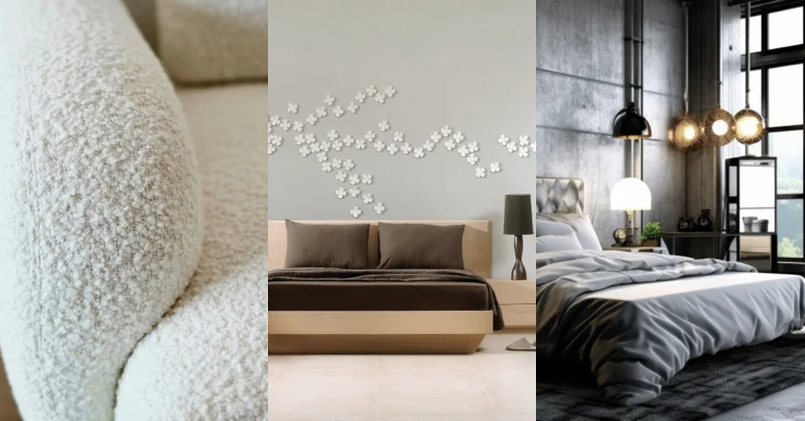
Romantic interior design is not lace on every surface. It is softness held up by structure: a defined bed wall, furniture with real lines, and textiles that repeat instead of competing. I made the fussy mistake once with too many florals and ruffles; the room felt like a gift shop, not a retreat.
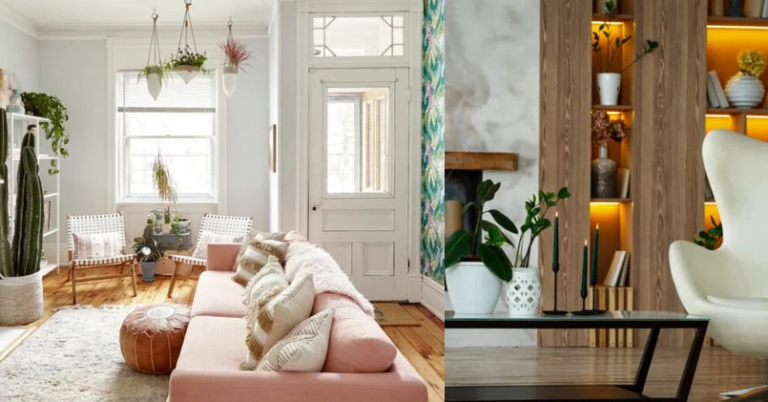
Romance needs warmth you can dim and textures you want to touch. It also needs negative space so the soft elements register. a typical apartment achieves that with one curved sofa line, one floral accent, and plenty of solid linen.
This article is the skeleton: proportion, color temperature, floral discipline, and lighting pools that flatter real faces not just photos.
Romantic interior design fails when every surface competes for attention. I edit weekly so softness stays a signal, not background noise lost in clutter.
Structure Before Ruffles
Romantic interior design still needs a focal wall and clear paths. I center the bed or sofa on the best wall and keep side clearance even if pillows want to spill.
Furniture silhouettes can be soft but should not wobble. A skirted sofa works if legs are stable and fabric does not drag on heat vents.
Tables need real edges. All-cloud rooms lose romance and function. One marble or wood top grounds the fluff.
Art placement follows structure: one larger piece or a tight grid, not scattered small frames everywhere.
Palette: Blush, Cream, and One Deep Rose
Romantic interior design stays in warm neutrals with one rose or plum note repeated twice. More accent colors and sweetness turns saccharine.
Metal in antique brass or brushed gold, not chrome. Cool metal fights warm textiles.
Wood tones lean honey or whitewashed oak. Orange pine reads discount cottage.
Test pink undertones in your light. North gray rooms need mauve-gray, not baby pink.
Textile Layering Without Chaos
Layer throws, pillows, and curtains in related textures, not every pattern mixed. Romantic interior design uses solid bases with one floral or stripe hero.
Sheer plus blackout double rods control glow and privacy. I mount them high and wide to exaggerate window height.
Bed skirts and canopy dreams need ceiling clearance. Low ceilings use tall headboard instead of hanging fabric overhead.
Wash schedule matters. Soft rooms need fresh linen smell, not stale perfume cover.
Lighting for Warmth and Faces
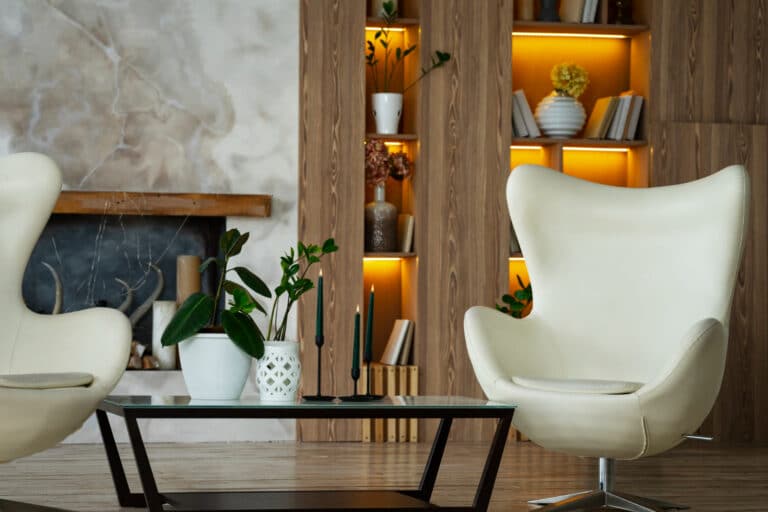
Romantic interior design depends on low warm pools. Dimmers on all mains, table lamps with cream shades, candles or LED pillars on safe surfaces.
Overhead alone flattens romance into office. If you must use ceiling light, dim it and add two side lamps minimum.
Mirror placement should reflect light sources, not clutter corners.
Dining romance uses pendant low over table, not bright kitchen grid bleeding into date night.
Floral and Curves With Discipline
One floral story per room: wallpaper OR duvet OR chair, not all three shouting. Romantic interior design edits botanicals like perfume, not marinade.
Curves on mirror, ottoman, or lamp base soften boxes. Too many circles without lines looks toy-like.
Fresh flowers are optional; good vases permanent. One sculptural branch often beats wilting bouquet guilt.
When browsing home decor, ask if an item adds softness or just adds stuff.
Rentals and Daily Life
Command hooks and tension rods carry romance without patch holes every lease year.
Performance fabrics on dining chairs survive red wine better than pure silk. Romance should survive Tuesday.
Kid and pet homes can still be romantic with washable throws and closed storage for fragile decor.
Compare cues in interior design styles so French country romance does not collide with industrial roommates.
Dining Romance for Real Weeknights
Romantic interior design at the table means pendant low enough to pool light on plates, not foreheads. I dim overhead when we eat.
Candles only if stable and away from sleeves. LED pillars on timer work for busy Tuesdays.
Table linens do not need to be white every night. Washed linen with soft crease reads lived-in romance.
Flowers optional; clean table surface mandatory. Romance starts with clear space, not props.
Bedroom Layers Without Overheating
Layer quilts you can peel back. Romantic interior design in Texas needs breathable cotton, not all velvet.
Canopy dreams need ceiling height. Low ceilings use tall upholstered headboard instead.
Two pillow weights per person solve thermostat wars cheaply.
Phone basket outside bedroom preserves intimacy better than another decorative tray inside.
Bathroom Softness and Practical Romance
Fluffy towels warmed on rack if wiring allows, or simply thick cotton rotated weekly.
Soft dimmer on vanity beats harsh vanity bar for evening routines.
Scent from soap only, not plug-in overload. Clean tile grout matters more than potpourri.
One small plant that tolerates humidity beats dried flower dust catcher.
Anniversary Reset Without Full Redesign
Move art or swap throw locations for fresh feel without spending. Romantic interior design is often reorder, not repurchase.
Photograph favorite corner and protect it from clutter creep monthly.
Shared playlist and lighting scene beat new furniture for date night impact.
Start with design basics when romance feels chaotic before shopping more pillows.
Romantic interior design is structured softness: warm dim light, repeated textures, edited florals, and stable furniture. Skip lace overload; build the frame, then whisper the romance.
Dim lights and sit across from your partner or roommate. If shadows look harsh, lower color temperature before you buy more pillows.
Romantic interior design lasts when Tuesday cleanup takes ten minutes. If romance requires an hour of staging, it will not survive real weeks.
Romantic Rooms That Survive a Normal Week
Romantic interior design fails when it only works on anniversary night. I learned that the hard way with a pile of throw pillows that looked soft and made sitting impossible. Softness needs structure underneath or it turns into visual sugar.
I keep blush and cream, but I always add one deeper tone so edges read. Without contrast, romantic rooms go flat in afternoon light. A charcoal lamp base or a deep green plant pot is enough to keep the palette from dissolving.
Curves help when they are disciplined. One arched mirror or a round side table beats five wavy objects competing for attention. I edit floral prints the same way: one textile with a clear pattern, everything else quieter.
Practical romance means washable fabrics and lighting that flatters faces without theatrical pink bulbs. Warm white is enough. Colored bulbs photograph as a mood and live as a headache.
For couples with different tastes, negotiate the focal point first. If you disagree on the bed textile, nothing else will settle. Agree on the largest soft surface, then argue about candles later. Order saves the relationship and the room.
Editing Softness So It Still Functions
Count pillows. If you remove three to sit down, you own theater props. Keep the ones that support backs and necks.
Washability is romantic. Stain-prone silk on a daily sofa is a fight waiting to happen.
Layer light at face height for evenings. Overhead-only light flattens soft textiles and makes makeup and skin look harder than they are.
Store seasonal romantic textiles in a labeled bin. Rotation keeps the room fresh without permanent clutter.
Walk in from the entry after being outside for ten minutes. Fresh eyes catch clutter faster than eyes that have lived with it all day. If the first thing you see is pile-up, not the soft focal point, edit before shopping again.
Color Discipline for Soft Rooms
Pick a dominant light tone, a secondary cream or blush, and one deep anchor. More than that and romantic turns candy.
Test paint and textiles in morning and evening light before committing. Soft colors shift hard under cool bulbs.
Metal finishes should stay quiet: brushed brass or soft black, not a mix of shiny chrome and gold leaf everywhere.
Florals work best as one controlled textile. Competing botanical prints cancel each other and raise visual noise.
If the room feels sticky-sweet, add structure: a straight-lined table, a darker lamp, clearer negative space on shelves.
Romantic rooms collapse without structure. The same argument, with less blush, is in old money interior design.
If the brief is softness plus sleep, pair this with how to make a dark bedroom cozy rather than adding more ruffles.
Color discipline belongs next to interior design basics, not next to a rose-gold shopping list.
Tuesday Night Reality Check
Romantic rooms earn their keep on ordinary nights. If cleanup takes longer than the evening itself, the styling is too fragile.
I keep a basket for soft overflow (extra pillows, seasonal throws) so surfaces stay intentional.
Shared control of dimmers matters. One person blasting cool overhead light undoes every textile decision.
FAQ
Is romantic design only bedrooms?
No, but bedrooms benefit most. Living rooms need fewer florals and stronger lines.
How much pink is enough?
One accent family repeated twice. Walls neutral, pink in textile or art.
Can romantic work minimalist?
Yes as soft minimal: linen, warm light, one curve, no pattern pile.
Best budget upgrade?
Dimmers plus cream shade lamps and one large art piece.
What kills romance?
Clutter, cool overhead light, and competing patterns on every surface.