Retro Futurism Interior Design: The Logic Behind the Look

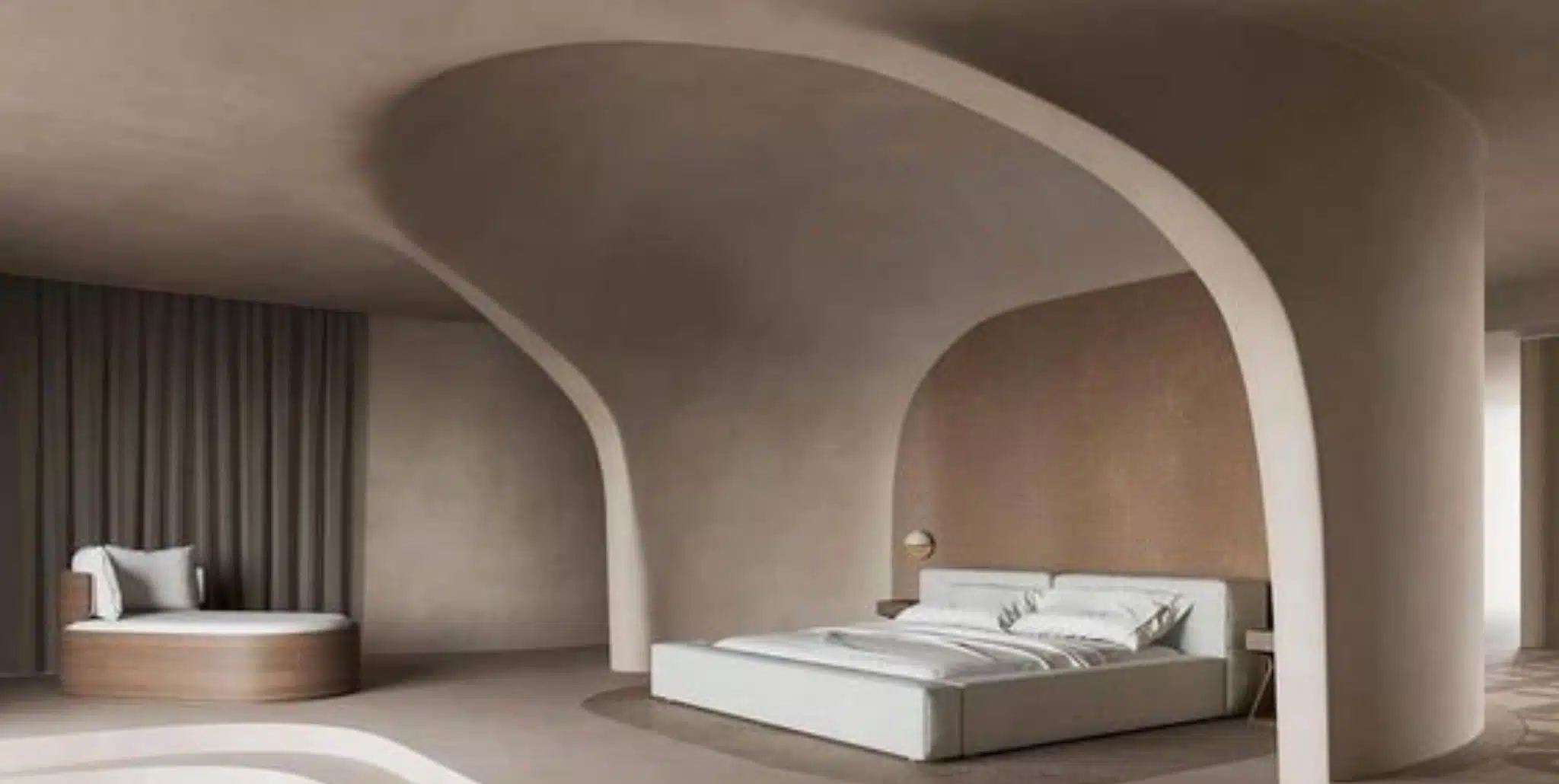
Retro futurism interior design looks like the future people in 1965 imagined, which is exactly why it dates fast when you copy props instead of principles. I fell for the bubble lamps first, then realized the rooms that worked kept geometry disciplined and let one or two playful pieces carry the joke.
In a typical rental I wanted that optimistic curve without turning the living room into a museum gift shop. The fix was treating retro futurism as a proportion and material problem first, then adding chrome or color as punctuation.
reference images show the finish layer. This article is the structure underneath: where to put the curve, how much gloss is enough, and when to stop before the room starts selling t-shirts.
I wrote this after helping a friend stage a rental that kept reading as a prop closet. Two edits, a lamp swap, and a calmer rug fixed ninety percent of it.
The Silhouette Comes Before the Gadgets
Retro futurism interior design reads through low profiles, wide horizontal lines, and furniture that looks like it could float. I keep seating close to the floor and let one arc lamp or sputnik fixture do the talking.
Pods and domes work when they are isolated, not repeated on every surface. Trying a pod chair in a corner with plain walls and it looked intentional. Three pod shapes in one sightline looked like storage units.
Avoid literal rocket motifs unless you commit to a single display wall. I prefer abstract curves: oval mirrors, racetrack coffee tables, elliptical art. They reference the era without shouting.
If you rent, use removable decals on one panel only. Permanent themed murals age faster than furniture you can swap.
Color: Optimism With Restraint
The palette is not every neon at once. I anchor with warm white or greige, then add one saturated accent: teal, mustard, or coral. Retro futurism interior design fails when accent color lands on every pillow.
Wood tone matters. Medium walnut reads mid-century; orange pine reads discount retro. I stain or choose veneers carefully because cheap warm wood fights chrome accents.
Black outlines help. Thin black metal legs on a sofa echo graphic design from the period. Heavy black everywhere turns the room gloomy.
Test swatches at night under LED. Period optimism assumed incandescent warmth; cold LED can make mustard look sick.
If you paint, sample a large poster board before committing. Retro futurism interior design lives on color confidence; a wrong undertone is expensive to reverse.
Materials That Actually Feel Period-Correct
Mix matte and gloss on purpose: matte walls, gloss lacquer on a bar cart, fabric with nap on seating. All-gloss rooms feel like showrooms.
Plastics and fibreglass replicas can work if edges are clean. Scratched shiny plastic looks garage sale. I budget for one vintage-quality piece instead of five thin replicas.
Glass and chrome need wiping discipline. Smudges kill the futuristic story faster than anything. I keep microfiber cloths near chrome legs.
For textiles, look to wool blends and textured weaves, not shiny polyester everywhere. One metallic thread in a pillow is enough.
Lighting as the Main Character
Sputnik chandeliers work when ceiling height allows. In my eight-foot ceiling I chose a flush mount with radiating arms instead of a drop that grazed heads.
Table lamps with opaque globes give the soft pool light the style expects. Bare bulbs everywhere feel industrial, not retro future.
Dimmer switches are non-negotiable. The look depends on glow, not blast. I wired plug-in dimmers where landlords blocked hardwire changes.
See also how mid-century modern rooms handle glow without kitsch; the overlap is useful, not redundant.
Layout for Real Rooms, Not Set Dressing
Circulation still wins. I keep pathways clear even when I want a conversation pit fantasy. Blocking the path to the kitchen killed my first layout attempt.
Media walls need a plan. A vintage console that hides cables beats a floating TV on a themed wall. Retro futurism interior design is not an excuse for visible cord chaos.
Scale art to wall width. One wide graphic print beats five small frames that read as clutter.
Start with design basics if the room feels off before you buy another atomic clock.
Budget Priorities in a Rental
I spend on lighting and one vintage-quality accent before I buy themed decor. Swap bulbs and dimmers first; they change the whole room for less than a new sofa.
Removable wallpaper on one wall beats repainting if your lease is short. Choose a graphic pattern with large repeat so it reads intentional, not busy.
Thrifted sideboards with new hardware often look more period-correct than flat-pack retro lines. I sand and oil legs rather than buying all-new particleboard.
When budget is tight, borrow the curve from a mirror instead of a chair. Round mirrors cost less floor space than sculptural seating.
When Retro Futurism Tips Into Kitsch
More than three novelty pieces in one view is usually too many. I rotate seasonal decor instead of displaying every atomic shape I own.
If guests say “cute” instead of “calm,” you may have props, not design. Pull back one category: either the lamps or the pillows, not both shouting.
Kids’ rooms can handle more playfulness; adult living rooms need restraint. I keep play shapes in a home office where I want energy.
Step back at the doorway and name the first object you see. If it is a gimmick, move it off the sightline.
Entry and Hallway Moments
The first ten feet set expectations. I keep entry tables low and wide rather than tall and narrow. Retro futurism interior design in a foyer works with one round mirror and a single sculptural lamp, not a cluster of atomic shapes.
Coat storage should disappear. Wall hooks on a painted panel beat a freestanding rack that blocks the sightline. I use the same trick in rentals where I cannot install built-ins.
Runner rugs can carry a subtle curve if the pattern is large-scale. Busy small repeats fight the architecture and make narrow halls feel tighter.
If you share a wall with neighbors, keep sound-soft layers here: a textile on the bench, a mat with thickness. Glossy hard surfaces in a tight entry bounce noise.
Mixing Heirloom Mid-Century With Retro Future Accents
Family mid-century pieces can anchor a retro futurism interior design plan if you let them stay quiet. I inherited a walnut credenza and built the playful layer around it with one lamp and one pillow, not a competing sofa.
Match undertones before you match decades. Orange walnut and cool chrome fight unless you bridge with warm white walls and brass instead of silver.
Reupholster heirloom seating in solid texture, not period print, when you want a modern read. The shape stays; the fabric stops shouting.
When heirloom scale is oversized for your apartment, use one piece as the anchor and keep new purchases lower and slimmer. Proportion matters more than matching labels.
Maintenance and Longevity
Chrome and lacquer show wear fast. I use coasters on lacquer tops and felt pads on metal legs. Retro futurism interior design looks expensive until the first unexplainable scratch.
Rotate accent pillows seasonally so sun fade stays even. Strong coral fabric in a west window can bleach in one summer.
Dust globes and opal shades weekly if you run dim light daily. Warm glow depends on clean diffusers, not higher wattage.
When a trend piece feels tired, demote it to a bedroom or office before you discard. Energy levels differ by room; not every space needs adult restraint.
Document what worked. I keep a photo of the one retro corner that still feels right two years later and compare new purchases against it. Impulse buys fail that test often.
Retro futurism interior design works when you treat it as disciplined mid-century layout plus one or two playful signals. Buy the structure first, then the fun.
If you are unsure whether a purchase fits, photograph it in the doorway view on your phone. If it grabs attention before the room does, it is probably too much.
Retro-futurism dates fast when the props do all the work. Compare that with 60s interior design, where the decade look sits on furniture scale, not chrome rockets.
If you actually live in the room, interior design basics will save you from buying a lava-lamp set that fights the ceiling height.
Material honesty is the antidote. That is the through-line in brutalist interior design too, minus the costume.
FAQ
Is retro futurism the same as mid-century modern?
They overlap, but retro futurism pushes playful tech shapes and optimistic color harder. Mid-century can stay quieter and more organic.
Can I do retro futurism in a small apartment?
Yes, with low-profile furniture and one statement light. Skip large sculptural pieces that block sightlines.
What should I avoid?
Rocket clipart walls, too many chrome surfaces, and matching pod everything. Restraint keeps it adult.
Best first purchase?
A quality arc or sputnik-style light on a dimmer. It sets tone without filling floor space.
Does retro futurism work with kids?
Yes in play spaces; keep living areas calmer and move louder shapes to bedrooms or offices.
How do I mix vintage and new?
Let vintage hold structure and add one new playful accent per sightline. More than that competes.
What wall color is safest?
Warm white or greige with one accent wall in teal or mustard. Keep ceilings lighter than walls so curves read clearly.