Low Budget Small Cafe Interior Design: Seating Density First

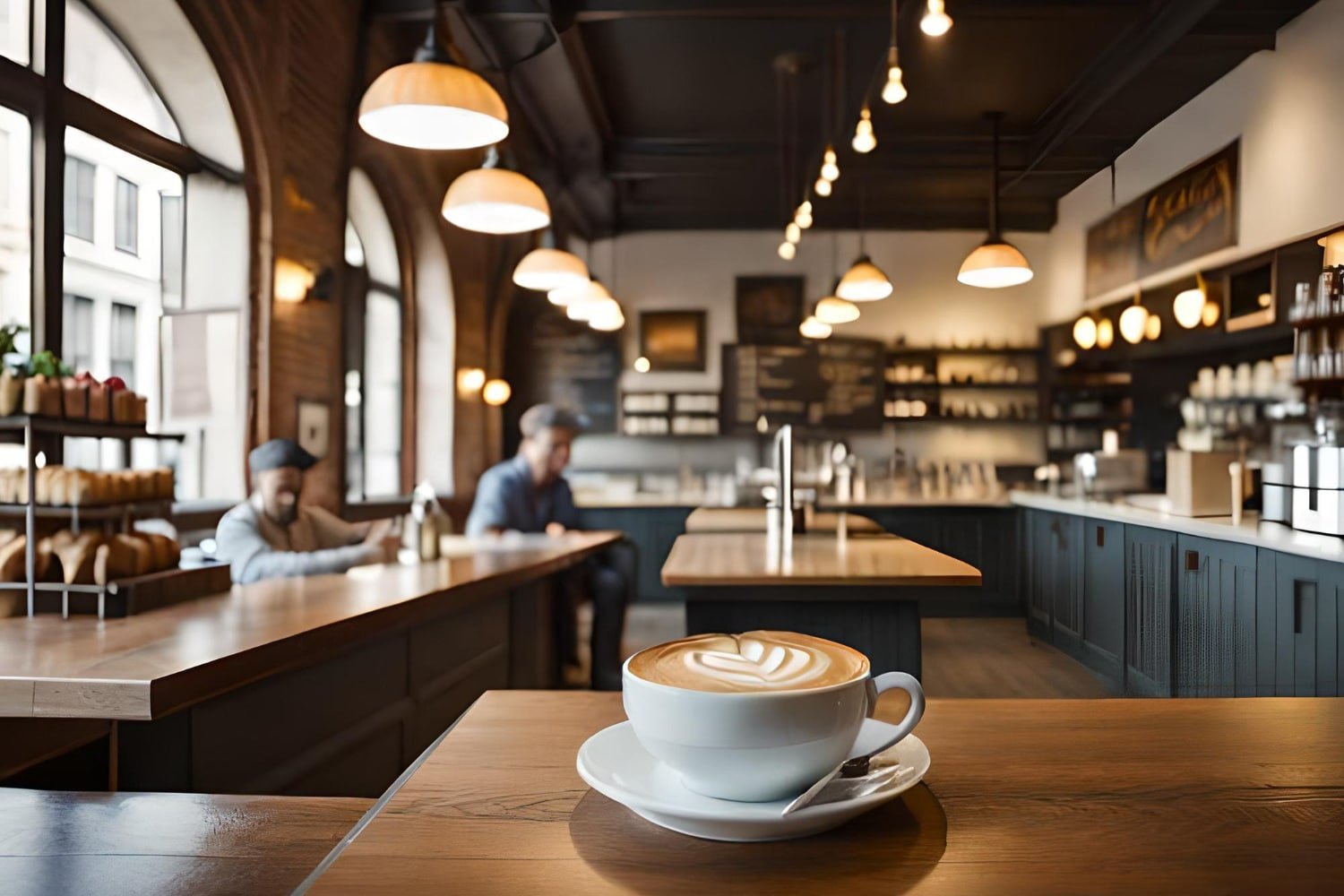
Most cafe owners Working with spend their budget in the wrong order. They buy furniture before finalizing the layout, choose a color scheme before understanding how the space gets light, and end up spending twice because early decisions have to be undone. Low budget small cafe interior design is less about which items to buy and more about which sequence of decisions to make, and getting that sequence right costs nothing.
Looking at several small commercial spaces alongside residential clients in a city apartment, and the principles that govern a 500-square-foot cafe are not much different from those in a studio apartment. Space planning, light, and material selection are the variables that matter. The rest is detail work.
The Floor Plan Comes Before Any Purchase
Before a single piece of furniture is ordered, the floor plan needs to be resolved. Someone in a city apartment’s Logan Square neighborhood called me in after spending $7,000 on chairs and tables, then discovering the layout made it impossible for servers to reach the back seating area without brushing past every customer. We moved every piece and replaced two tables. The $7,000 turned into $9,500, and the second round was completely avoidable.
In small cafes, traffic flow is a design decision, not an afterthought. The standard mistake is centering the layout around aesthetic symmetry instead of around how people actually move. Customers enter, scan for seating, navigate to the counter, and return. Staff move in a separate but overlapping pattern. These two flows need to be mapped on paper before anything is ordered.
Counter Placement and How It Shapes Perceived Space
Counter placement has the highest impact on how large a small cafe feels. Placing the counter perpendicular to the entrance, rather than directly across from it, opens up a sight line that makes the room feel deeper. It also keeps the queue from blocking seating, which is one of the most common layout errors I see in budget builds. The adjustment costs nothing at the planning stage and a great deal once furniture is in.
Why Most Small Cafes Have the Wrong Tables
Two-top and three-top tables are almost always the right choice for a small cafe, yet four-tops appear in most floor plans. The reason is purchasing inertia: four-top tables are what furniture catalogs feature. In practice, two-tops seat nearly as many people in half the footprint, and they can be pushed together when a larger group arrives. This substitution can add three to four additional covers to a 600-square-foot space without any structural change.
Materials That Look Considered Without Costing More
The key principle in low budget small cafe interior design is channeling money toward materials that look intentional. Reclaimed wood is the clearest example. I’ve specified it in projects where the total material budget was under $6,000, and it consistently photographs well and stays convincing to the wear that cafe environments demand. The key is sourcing: salvage yards and architectural salvage dealers in most mid-size cities carry planks and panels at a fraction of new lumber prices.
Black Metal Pipe Fixtures: A Specific, Affordable Trick
Matte black pipe fixtures (shelf brackets, curtain rods, pendant light frames) are one of the most cost-effective ways to add visual coherence to a low-budget space. They’re available at hardware stores, they install without a contractor, and they look like intentional industrial design rather than cheap fill-in. A set of six shelf brackets at $8 each gives you a design element that ties a room together for under $50. I’ve used this approach in residential kitchens and it transfers directly to small commercial spaces.
Laminate Flooring Over Ceramic Tile in Most Cases
Ceramic tile is durable, but the installation cost in a small cafe can reach $2,000 for labor alone. Commercial-grade laminate flooring in a wood-plank pattern installs faster, costs less per square foot, and in most low-budget cafe contexts is indistinguishable from solid wood at normal viewing distance. I’d reserve the tile budget for the bathroom and behind the counter, where spill resistance actually matters. The same foundational design principle applies to commercial spaces: prioritize what’s underfoot and at eye level.
Lighting Is Where Budget Cafes Usually Get It Wrong
Here’s a position I’ll defend: most budget cafes spend too much on decorative objects and too little on lighting. A pendant light that costs $60 and puts warm, direct light over a table does more for that table’s atmosphere than a $200 wall print two meters away. Lighting is the most underrated line item in a small cafe build, and it’s the one I would prioritize above almost everything else.
Three Layers, Not One Overhead Fixture
Ambient lighting establishes the base level of illumination. Task lighting focuses on the counter and brewing station. Accent lighting highlights specific elements: a plant grouping, an art piece, a section of exposed brick. A small cafe with only overhead ambient light looks institutional regardless of how much was spent on furniture. Adding pendant lights over the counter and a few directed spots on a wall feature creates the layering that makes a space feel designed rather than assembled.
On Edison Bulbs: Use Them Selectively
Edison filament bulbs have become a shorthand for “artisan cafe,” which is exactly why I’d recommend using them in two or three spots rather than throughout. Exposed-socket pendants over the counter create the effect without making the space look like a template. Full-spectrum LED at 2700K color temperature handles the ambient and task lighting at a lower operating cost. The combination looks more considered than going all-Edison, and it signals a choice rather than a default.
Color: What the Guides Usually Get Wrong
The conventional advice for small spaces is to use light colors to make the room feel larger. I partially agree. Light walls work. But what most guides skip is that a dark accent wall on the counter side can make a small cafe feel more deliberate and less box-like. The counter wall is a focal point regardless of what you do to it. Committing to a deep color there costs the same as painting it white and produces a more memorable result.
The 60-30-10 rule is worth applying in this context: 60 percent of the room in a dominant neutral (walls, floor), 30 percent in a secondary tone (furniture, larger fixtures), 10 percent in an accent (cushions, artwork, planters). The percentages matter less than the intention. Each color choice should be traceable to a decision, not a default.
The Color Combination That Ages the Fastest
Teal and copper appeared in nearly every cafe opened between 2015 and 2020. It is now the fastest way to date a space. If longevity matters to you (and on a small budget, it should, since a cafe interior needs to hold up for five to several years without a full refresh), I’d avoid trend-forward palettes entirely. Muted earth tones, charcoal, and warm whites have a track record. Teal does not. The same logic that governs emphasis in interior design applies here: draw attention to what you want seen, not to what’s fashionable right now.
Greenery and Texture on a Minimal Budget
Plants are one of the few budget design elements that improve with time. A snake plant bought for $12 at a hardware store will look better in two years than it does today. Pothos in hanging planters near the window adds verticality without requiring shelf construction. Both plants need almost nothing: water every 10 to 14 days, indirect light, no specialist knowledge. I’ve specified them repeatedly in small residential spaces because they solve a visual problem (empty vertical surface, dead corner) at negligible cost.
Group Greenery Rather Than Distribute It
Grouping three plants of different heights in one corner is more effective than distributing individual plants throughout the room. The grouping looks intentional; individual plants scattered around look like decoration that ran out of budget. The same principle applies to texture: reclaimed wood on one surface, woven fabric on seat cushions, smooth plaster on the remaining walls. Three textures, clearly defined zones. Not a little of everything everywhere.
Local Art Does More Than Just Fill the Walls
Working with local artists is not just a budget strategy. It’s a genuine design advantage. A piece commissioned from a local painter gives the cafe a story that no catalog purchase can replicate, and customers notice stories. The practical logistics: contact art school graduate programs or local gallery group shows, explain the space and the ask, and be upfront about what you can spend. Many early-career artists price work at $150 to $400 for a 24×36 canvas, which is competitive with commercial art prints and produces something no other cafe has.
Rotating exhibitions are worth considering if you have more wall space than budget. You agree to display and protect the work; the artist gets visibility and the option to sell. The cafe pays nothing and gets fresh work on a regular cycle. I’ve recommended this arrangement to three different clients and all three are still running it several years later. The same approach to budget design in small office spaces holds: invest in what creates distinction, not in what fills square footage.
The Outdoor Extension Most Small Cafes Ignore
A sidewalk or courtyard with four tables adds capacity without floor space. In good weather, those four tables can represent 20 to 30 percent of revenue for a small cafe. The design investment is modest: weather-resistant bistro chairs (around $45 each), folding tables that can be brought in at night, and outdoor-rated string lights if there is a structure to hang them from. LED string lights for outdoor use run under $30 for a 25-foot length and create a specific after-dark atmosphere that is hard to achieve indoors at any budget.
The outdoor furniture needs to handle temperature variation and occasional rain without warping or rusting. Powder-coated steel and resin wicker both hold up. Untreated wood does not. This is not an aesthetic preference; it is a maintenance cost calculation. Budget furniture that needs replacing every two years is not actually cheap over a five-year horizon.
Where to Spend If the Budget Is Very Tight
If I had to tell someone where to concentrate a limited budget, I’d say: spend on the counter and the lighting above it, save on everything else. The counter is the first thing customers see, the last thing they interact with before leaving, and the most photographed part of any cafe. A well-built counter in reclaimed wood or sealed concrete, with two or three pendant lights above it, defines the character of the entire space. Mismatched chairs, secondhand tables, and plain walls all work fine around a counter that’s right.
Fewer objects, better placed, with better light, consistently outperform a fully decorated room where nothing gets attention. I come back to this principle regardless of budget or project scale. It is the most useful thing I can say about low budget small cafe interior design: decide what the room is about, spend there, and resist the pull to fill every surface with something.
Frequently Asked Questions
What are some low-cost design options for small cafes?
Reclaimed wood, matte black metal fixtures, and commercial-grade laminate flooring deliver a considered look without high material costs. Sourcing from salvage yards and hardware stores rather than specialty suppliers is usually where the real savings come from.
How can I create an inviting atmosphere in my small cafe on a budget?
Lighting has the highest return on investment. Layering pendant lights over the counter with ambient LED overhead and a few accent spots creates depth and warmth that furniture and decor alone cannot replicate. Most budget cafes under-invest here.
What are the best tips for maximizing a small cafe space?
Two-top tables instead of four-tops add covers without floor space. Counter placement perpendicular to the entrance opens sight lines. Grouping plants and objects rather than distributing them throughout keeps the room from reading as cluttered.
What should I prioritize first when designing a cafe on a tight budget?
The floor plan. Getting the layout right before buying anything prevents costly reversals. Counter placement, traffic flow, and table sizing decisions cost nothing at the planning stage and a great deal after furniture is in.
Is a dark accent wall a good idea in a small cafe?
Yes, specifically on the counter wall. A deep color on that surface makes the space feel more deliberate and gives the counter a focal weight it would not have against a plain white wall. The counter is a natural focal point regardless, so committing to that with color is a logical choice.