Masculine Interior Design: What the Look Needs

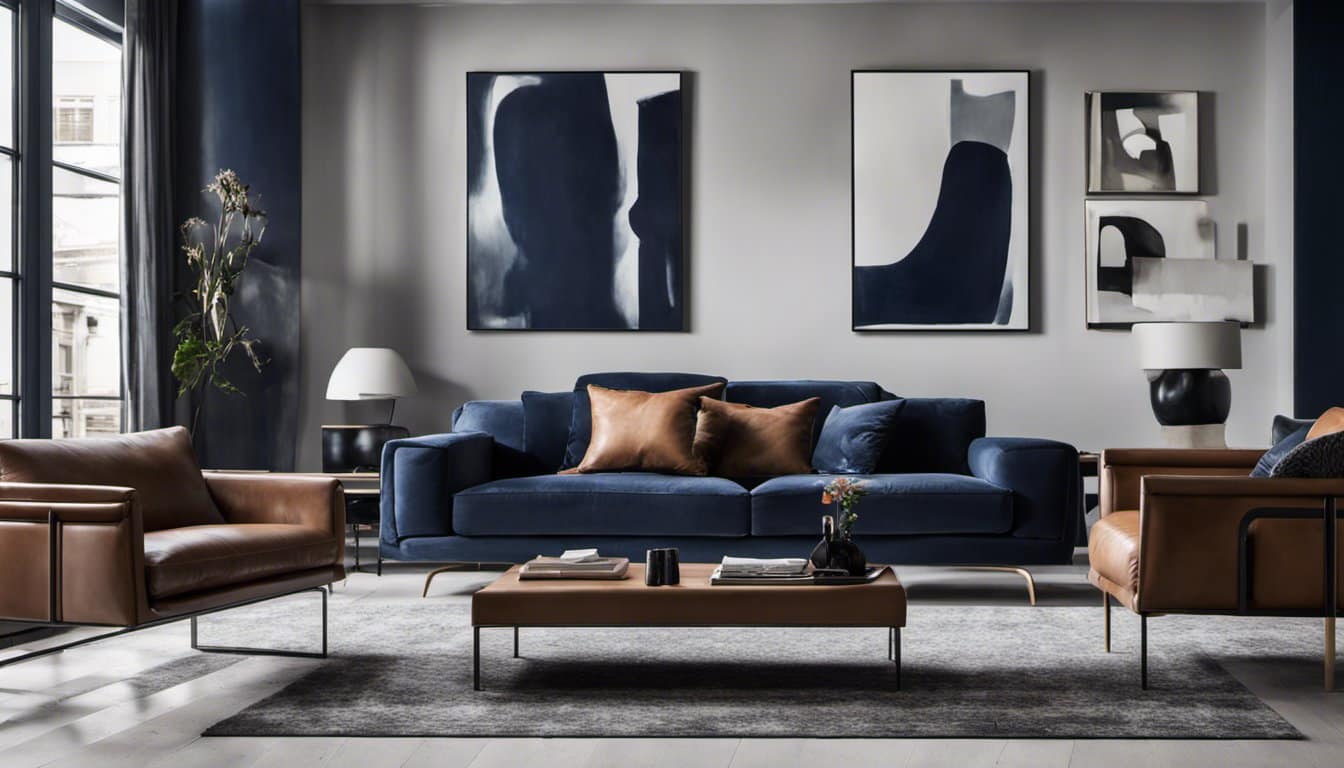
I got into masculine interior design by accident. A friend asked me to help style her boyfriend’s new apartment in a rental, and the brief was basically “not fussy, but not a dorm room.” That weekend sent me down a rabbit hole I haven’t fully climbed out of. Masculine design, when done with some intention, produces some of the most livable spaces I’ve ever been in.
The thing most people get wrong is assuming it just means dark and minimal. It’s more specific than that. There’s a particular combination of materials, proportions, and restraint that gives a masculine space its character. Here’s what actually works, based on what I’ve seen and tried.
The Color Foundation: Neutrals, Darks, and the Occasional Pop
Most masculine rooms start with neutral walls, which is the right call. But neutral doesn’t have to mean beige. Gray, warm white, and concrete tones all work. The decisions that actually shape the room come in what you layer on top of that foundation.
Raw Texture as the First Layer
This living room is a solid starting point for understanding what masculine interior design looks like in practice. The wooden furniture isn’t refined or lacquered. It’s allowed to show grain and weight. When I helped style that first a rental city apartment, the initial swap I made was trading a glossy side table for a reclaimed oak piece from a local salvage shop. The difference in how the room felt was immediate. Raw texture communicates that the space wasn’t assembled from a catalog, and that’s the quality you’re after.

Going Dark Without Losing the Room
Dark rooms work because the eye stops bouncing and settles. What makes this one read as intentional rather than gloomy is contrast: a lighter sofa, a brighter rug, a lamp that throws upward light. I’ve watched people paint one wall charcoal and then panic when the room felt heavy, because they skipped the contrast step. Pick one dark anchor and let everything else breathe around it. That principle applies to every room in the house, not just living spaces.

Taupe and Charcoal as a Palette Combination
Taupe is the most underrated neutral in masculine design. It reads warm without being beige and structured without being cold. Paired with charcoal or dark navy, it stops the room from feeling monochromatic. IKEA’s MAJGULL linen curtains in taupe run about $30 and land this tone without a big commitment. If you’re trying to establish this palette without a full repaint, start with curtains and a rug. Both anchor a room’s color direction more efficiently than a single accent wall ever will.

When a Color Pop Actually Belongs
Contrary to the common assumption that masculine means no color: a single saturated piece can sharpen an otherwise quiet room. This mustard sofa does exactly that. The surrounding palette stays dark and neutral, which makes the mustard read as intentional rather than decorative. I’d push back on anyone who says color has no place in a masculine interior. The restraint is in using one piece, not zero. One well-chosen statement in a restrained room is more confident than no color at all.

The Material Palette: What Goes on Walls, Floors, and Surfaces
Before furniture, before color, material is the decision that sets a room’s tone. Masculine spaces rely on a short, consistent list of materials, and the consistency is part of what makes them feel coherent rather than assembled. Here’s how each one contributes, and when it belongs in the room.
Metal as Structure, Not Decoration
Metal works in masculine design because it communicates permanence. This loft staircase reads as architectural rather than decorative. You don’t need to gut-renovate to use this principle. Small metal elements, like a black powder-coated shelf bracket or a matte metal lamp, carry the material’s visual weight into a space without structural work. I’ve had good results with raw steel bar shelves from places like Columbus Trading or local metal fabricators, typically in the $80 to $120 range. Matte or brushed finishes, not chrome, are what keep the material feeling intentional.

Dark Wood for Warmth and Weight
Wood keeps a masculine space from going cold. This dark wood bookshelf is doing a lot: breaking a vertical surface, creating visual rhythm, adding warmth at eye level. The best masculine rooms use wood that shows its grain. Avoid anything with a high-gloss polyurethane finish. It looks finished in a way that undercuts the material’s appeal. Matte or oil-treated surfaces are the better call, and they age more interestingly. Walnut stays convincing particularly well here, and IKEA’s HEMNES bookshelf in dark stain is a reasonable starting point around $200.

Leather That Gets Better Over Time
A leather bed frame is a commitment, but it what really matters over time. Leather develops character, takes a patina, and holds its shape. In practice, the budget version of this is a faux leather frame from Article or Wayfair in the $300 to $600 range. It won’t age the same way, but it carries the material’s visual weight in the room for years before it starts to look cheap. If you’re going to invest in one genuine leather piece, a headboard or armchair is a better place to spend than a sofa, since those surfaces get used without being sat on constantly.

Stone for Texture and Visual Ground
Stone is the surprise material in masculine interiors. People expect leather, wood, and metal, but stone adds a textural dimension that’s difficult to replicate with other materials. This bathroom sink is striking because it’s functional and heavy at the same time. Even a small stone element, like a soapstone tray or a honed marble coaster set, pulls the material’s quality into a space without renovation. Darker stone varieties, like slate or black granite, land closer to the masculine palette without any extra effort.

Concrete: The Floor That Unifies
Polished concrete floors are aspirational for a reason. The flat, unified surface removes visual noise from the floor plane and lets the furniture do its work. Concrete-effect porcelain tile, available at Home Depot in the $2 to $4 per square foot range, gets you most of that visual result at a fraction of the cost. If you’re renting, a large concrete-colored area rug reads similarly. The goal is a floor that doesn’t compete with the furniture. Concrete, in any form, does that reliably.

Furniture and the Objects That Define a Space
The furniture in a masculine room tends toward fewer pieces, heavier proportions, and a preference for function over decoration. Nothing purely decorative should be in the room without a reason. Here’s where each piece type what carries the room, and what makes the difference between a masculine room and a dark catalog page.
The Leather Chair That Holds the Room Together
A deep leather armchair against a dark wall is one of the most reliable combinations in masculine design. It holds together because both elements have visual weight, and they balance each other without either dominating. The chair in this photo has a low profile and wide arms, which keeps it from reading as formal. If I were styling this space, I’d add a small side table at arm height and a floor lamp directly behind the chair. That converts a piece of furniture into a reading corner, which gives the room a purpose beyond aesthetics.

A Bar Setup as the Room’s Focal Point
A home bar setup sounds indulgent but actually solves a design problem. It gives the room a dedicated social zone with a clear purpose. The dark wood shelf here is organized without being obsessively arranged. The first time I helped set up something like this, the lesson I took away was that curation matters more than quantity. Four good bottles and two quality glasses on a real wood shelf beat twelve bottles and a clutter of glassware every time. A bar as a focal point only functions if it has space around it to breathe.

A Fireplace as the Room’s Anchor
Fireplaces in bedrooms make the room feel like it was designed around a purpose, not assembled from available pieces. This bedroom uses the fireplace as its main focal point and lets everything else serve it. If you’re working without a fireplace, a tall, dark-framed artwork at the same wall position creates a similar anchoring effect. The eye needs a destination when it enters a room. Without one, the space feels unresolved regardless of how good the individual pieces are.

Personal Objects and the Edge That Makes a Room Real
This is where masculine design becomes interesting, and where most guides lose the thread. The painted skull on the wall is a deliberate choice that says something specific about whoever lives here. A masculine room without any personal edge starts to feel like a hotel suite. The rule isn’t to be provocative, it’s to include at least one object that would only make sense in this particular person’s space. Art, a collected item, something with a backstory. The absence of that is what makes catalog-assembled rooms feel flat, regardless of how good the furniture is.

Layered Lighting Instead of Just Overhead
Lighting is the most consistently underdone element in masculine spaces. Most people install an overhead fixture and stop there. But overhead-only lighting flattens a dark room and removes the depth that makes it interesting. This bedroom uses a lamp that throws light upward and sideways, creating shadow gradients on the walls. Adding a second light source at a different height costs less than most people expect. An IKEA HEKTAR floor lamp in dark gray runs about $50 and does this reliably. The difference between one light source and two is bigger than any furniture purchase at that price point.

Minimalism as a Tool, Not an Aesthetic
Masculine design and minimalism overlap, but they’re not the same thing. Minimalism is a tool here, not the goal. The goal is a space that feels settled and complete, where every object has earned its place rather than simply ending up there.
The Fabric Layer That Changes the Room’s Temperature
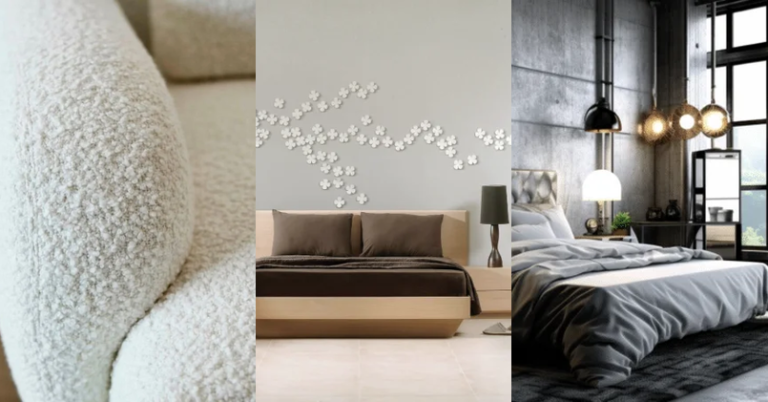
A tweed throw is one of those additions that changes a room’s character without changing anything visible from across the room. This bedroom already has the dark palette and sparse furniture. The tweed blanket adds tactile warmth without softening the overall tone. In practice, the fabric layer is what most masculine spaces are missing when they feel slightly cold or unfinished. Tweeds, wool throws, and heavyweight linen cushions in dark or muted tones are the first thing I’d add to any room that feels one-note. Solid wool throws from small Etsy producers in the $40 to $70 range hold up well and look more considered than anything mass-produced.

A Minimalist Space that works
This living area is nearly empty, and it still reads as designed. That’s the point of real minimalism in this context: every object has to carry enough visual weight to justify being in the frame. The sofa is substantial. The rug defines the zone. The lamp is the third element. Nothing else competes for attention. For people who move frequently or work with rental spaces, this approach is also practical. Three well-chosen pieces on a neutral floor will look more intentional than a full room of average furniture competing for visual space.

Room by Room: Where to Start When the Whole Thing Feels Overwhelming
One of the most common places people get stuck is trying to overhaul an entire apartment at once. Pick one room, nail the material combination, and let that inform the rest. Here’s what the principles look like in practice across different spaces.
The Living Room: Start with the Vertical Surface
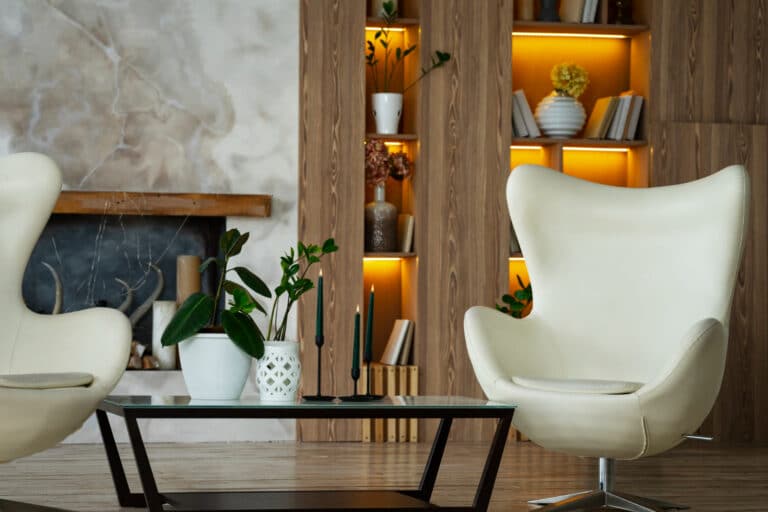
This dark living room holds together because the shelf breaks up the vertical wall, the greenery adds contrast without going decorative, and the indirect lighting keeps the room from reading as heavy. What I’d change: a slightly larger rug to anchor the seating area more clearly. For context on how dark palettes function across a full space, my piece on dark interior design covers color behavior in more depth. The short version: dark rooms need more clearly defined zones, not fewer. The shelf in this photo is doing that work.

The Kitchen: Surface Choices Over Accessories
A masculine kitchen is mostly about surface selection. Dark cabinetry, a stone wall or backsplash, stainless appliances. The kitchen in this photo does all three and then stops. There’s no decorative clutter on the counters. One practical rule here: if your countertops are visible, keep them clear. The material has to do the work, and clutter disrupts it. Open shelving is fine if you’re disciplined about what goes on it. A few specific objects look intentional. Many objects on open shelving look like a storage problem that hasn’t been solved yet.

The Bedroom: Dark Walls Done Right
Dark walls in a bedroom require commitment and attention to reflected light. This room holds together because the wooden floor reflects enough light to keep the space from reading as a void. I’ve helped style two dark bedrooms in rental apartments, and both times the solution was a large, light-toned area rug and a lamp on each bedside table. For more specific approaches that work on a budget, the post on making a dark bedroom cozy has practical ideas that don’t require a full renovation. Dark bedrooms are more forgiving than people expect, as long as the light sources are right.

The Dining Room: Weight and the Feeling of Permanence
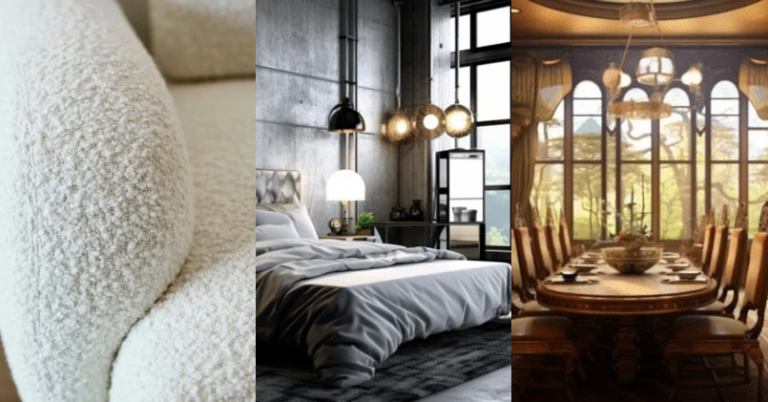
This dining room lands because of the leather chairs and the fireplace combination. Both communicate that the room is for sitting and staying, not just eating and leaving quickly. The proportions matter: a table that’s too small relative to the chairs makes the room feel provisional. The rule I follow when advising people on dining room sizing is that the table should feel slightly larger than seems necessary. It anchors the space and signals that the room was thought through rather than assembled from whatever was available at the time.

The Home Office: Where the Style Makes Practical Sense
Home offices are where masculine design makes the most functional sense. Leather seating, wood paneling, and a single good lamp: this office has all three, and the combination holds together because each element is pulling visual weight. For renters who want the wood paneling effect without permanent changes, removable wood-effect panels from companies like Stikwood run about $8 to $12 per square foot and replicate the look without any alteration. The leather chair is the one piece worth investing in here. The Rivet Revolve chair on Amazon sits in the $250 to $400 range and what really matters well to daily use.

Frequently Asked Questions
What is masculine interior design?
Masculine interior design uses materials, colors, and proportions that favor weight, restraint, and structure. Think leather, dark wood, raw metal, concrete, and neutral palettes with intentional contrast. The style leans functional over decorative, with fewer objects and each one chosen deliberately.
What colors work best in masculine interior design?
Darker neutrals work best: charcoal, navy, warm gray, and deep forest green. These anchor the space without being aggressive. Off-whites and warm taupes work well as supporting tones on walls or textiles. A single accent color, used sparingly on one piece of furniture or artwork, can sharpen an otherwise restrained palette.
Do masculine interiors have to be minimal?
Not necessarily, but restraint is part of the aesthetic. The goal is for every object to justify its presence. A masculine room with too many items loses the quality of intention that defines the style. A room with books, collected objects, and personal art can still read as masculine if the palette and materials stay consistent.
What materials are most commonly used in masculine interior design?
The core material list is leather, dark-stained wood, raw metal (steel, bronze, iron), stone, and concrete. Fabrics tend toward wool, tweed, canvas, and heavyweight linen in muted tones. Gloss finishes are generally avoided in favor of matte or oiled surfaces, which age more interestingly over time.
How do I add masculine elements without redecorating everything?
Start with material additions rather than paint or furniture changes. A leather throw pillow, a metal lamp, a raw wood tray, or a wool blanket in a dark tone will shift a room’s character without a full renovation. Once the material layer is in place, you can assess what furniture or wall decisions make sense next.