Mid Century Modern Bedroom: The Proportions That Make It Click

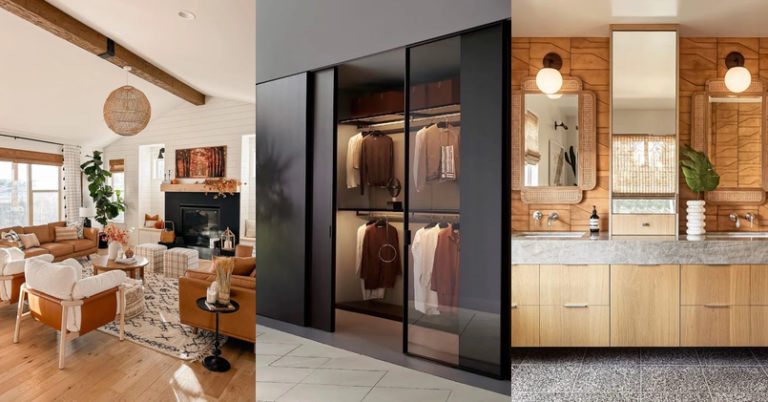
A few related Pinterest references in the same visual family as the section above.
I spent about three months living with the wrong rug before I figured out what was actually off about my bedroom. The rug was not the problem. The whole room was trying to be mid century modern without understanding what the style needs. Once I understood that, everything else clicked into place.
Mid century modern bedroom design is one of those styles that looks deceptively simple in photos but requires more intentional choices than almost any other interior approach. What follows is what I have learned from getting it wrong first, and then getting it right, one piece at a time. If you are just getting started with your own space, it also helps to have a grasp of the fundamentals of interior design before committing to any single style.
The Bed Sets Everything Else
The bed is the design anchor in a mid century modern bedroom, and the choice of frame shapes everything around it. Most people focus on finding something that looks MCM without understanding what specific qualities make it work. The bed is also the piece where the style’s core philosophy becomes physically real: function determines form, not the other way around.
Low-Profile Bed Frame That Changes the Room’s Proportions
A few related Pinterest references in the same visual family as the section above.
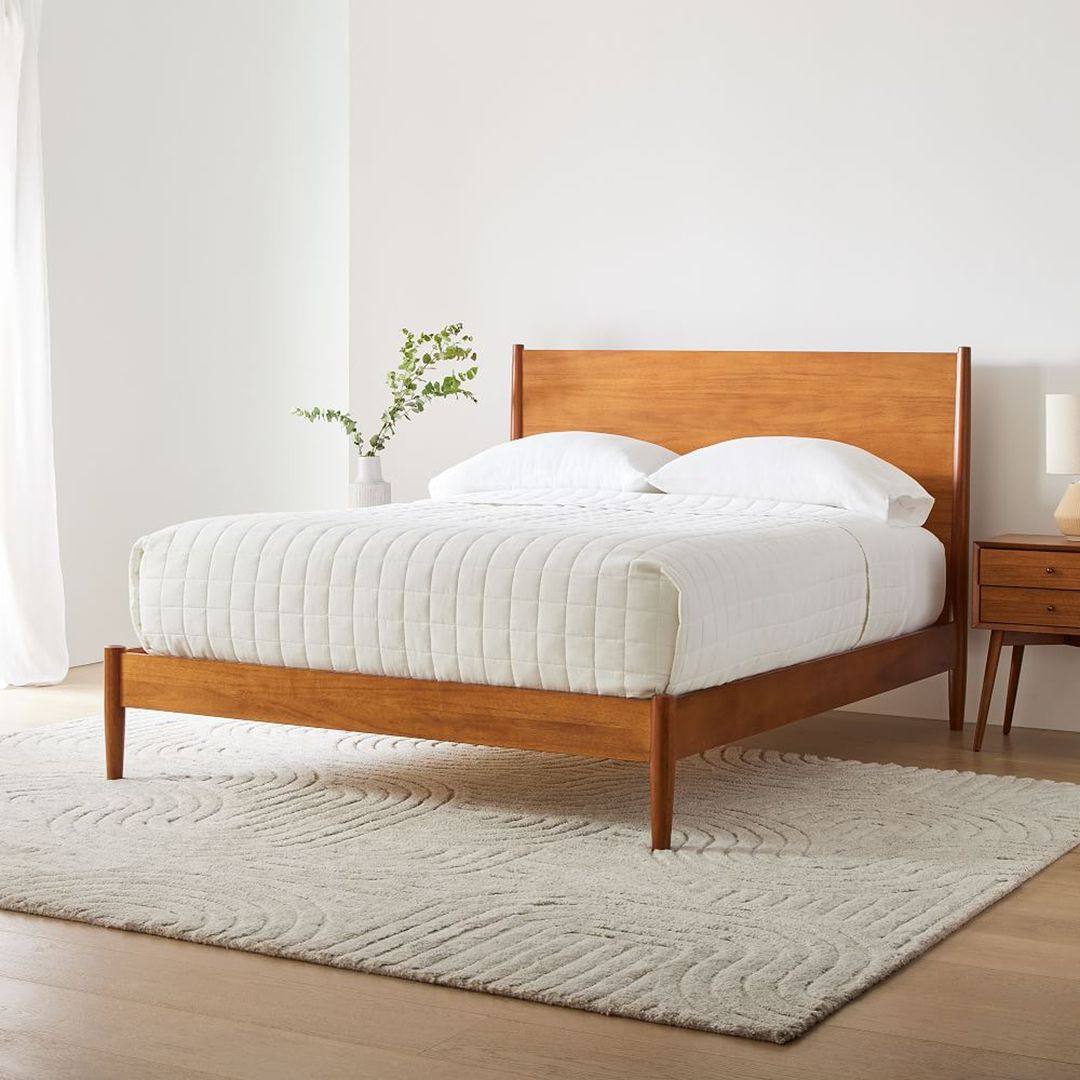
The first apartment Decorating in a rental had nine-foot ceilings and I put in a sleigh bed because I thought it looked substantial. It did not. It just looked heavy and period-wrong for everything around it. A low-profile platform frame with a simple upholstered headboard fixed the room in a way I did not predict: the ceiling looked higher. This is the key principle behind mid century modern bed selection. The frame should sit close to the floor, typically 12 to 16 inches in height, which creates a horizontal visual line that makes the space feel wider and more open.
If you are working with a limited budget, IKEA’s MALM and NEIDEN lines both hit the right silhouette at entry price points. The splurge version would be something from West Elm’s mid century collection or AllModern’s platform frames, which have better joinery and more convincing wood finishes. Either way, the silhouette matters more than the price tag.
When a Platform Bed Does More Than Save Floor Space
Platform beds work so well in this style because they force the rest of the room to stay low and horizontal too. Once the bed is close to the floor, you start to see that tall, imposing nightstands look out of place. Low bedside tables, small wall-mounted shelves, and lamps with slender profiles all become obvious choices. It is a case where one smart piece sets the visual logic for everything around it, and the room starts to make decisions for you.
Wood Tones: Which Ones Actually Work Together
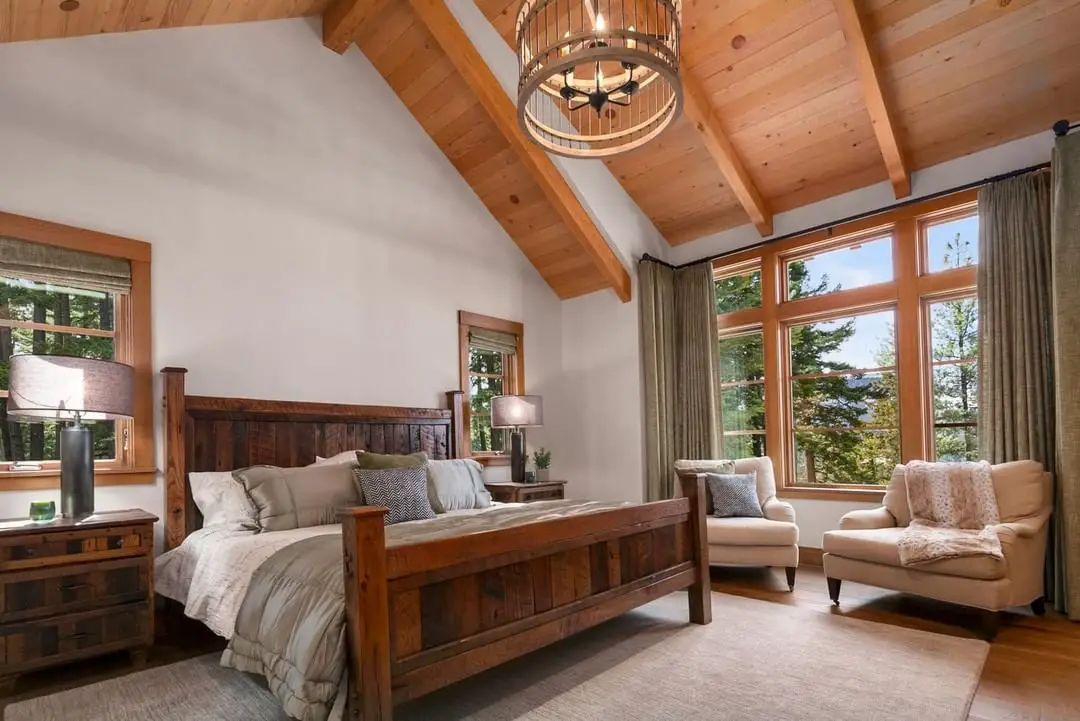
The MCM look leans on warm, medium-toned woods: walnut, teak, and oak are the standards. In my second apartment, I mixed a dark espresso bed frame with lighter pine bedside tables because I thought contrast would be interesting. It just looked like I could not decide. The better approach is to stay within two tones of each other, ideally one dominant wood and one lighter accent. You do not need exact matching, but the woods should feel like they are in conversation rather than competing.
The Color Problem Most People Get Wrong
The default assumption about MCM color is that it means neutral and warm, but that oversimplification is what produces bedrooms that feel beige and flat rather than intentional and calm. The palette in a well-executed mid century modern bedroom is more deliberate than it first appears.
Why the Neutral Base Is Harder Than It Looks
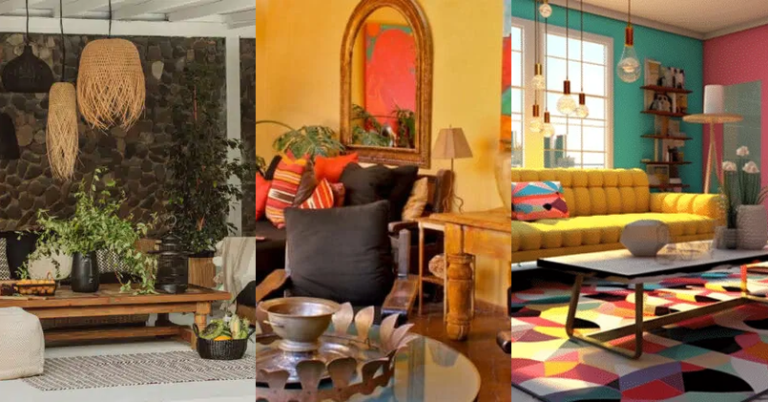
Related Arabian interior references with pattern, craft, and shade doing the compositional work.
Most people underestimate how much a neutral palette requires contrast to avoid feeling dull. In practice, a room of all warm beiges and creams just looks unfinished, no matter how much good furniture you put in it. The neutral base in a well-executed MCM bedroom usually has one strong element that keeps it anchored: a dark-framed mirror, a deep-toned rug, or a wall in a slightly deeper shade than the bedding. Without that anchor, the room looks unresolved even when everything is technically correct.
Green in a MCM Bedroom: More Grounded Than Expected
I did not expect green to work as well as it does in this style. The first time I saw a sage or muted olive used as a wall color in a mid century modern bedroom, I assumed it would lean too earthy. But greens in the mid-toned, slightly desaturated range are actually a natural fit, because they connect the wood tones to the plant elements that the style often includes. If you are nervous about committing to a full wall, start with a throw or a pair of curtain panels. It is a low-cost test before you break out the paint rollers, and it gives you a chance to live with the tone before committing.
Blue Accents Done Quietly
A few related Pinterest references in the same visual family as the section above.
Contrary to what most MCM mood boards suggest, blue works in this style when it is used as an accent rather than a dominant color. A dusty blue dresser, a steel blue geometric throw, or a pair of navy linen pillow shams all work. The mistake most people make is going too bright or too primary. The blue has to be desaturated enough that it feels like a considered textile choice rather than a splash of color, which gives the room depth rather than a bold statement that competes with the furniture.
Mustard and Rust: The Palette That Actually Ages Well
A few related Pinterest references in the same visual family as the section above.
Here is an opinion that might be unpopular: mustard and rust are the most reliably MCM colors, but they are also the easiest to overdo. One element in either tone, whether it is a lamp shade, a throw pillow, or an accent chair, carries the look. Two mustard-toned pieces in the same room start to look like a theme rather than a choice. I would pick one and let it be the warmth anchor in an otherwise neutral room. For the budget version of this, a set of mustard linen pillow covers from H&M Home or Zara Home runs around $20 to $35 and delivers the effect without any lasting commitment.
Furniture That belongs in the room
Mid century modern furniture has a specific visual vocabulary: tapered legs, organic curves, minimal ornamentation. The challenge is that not every piece with tapered legs belongs in this style, and not every space needs every MCM-coded piece. The same selection logic that applies here applies in a mid century modern living room, where furniture choices either reinforce or undercut each other.
The Tapered Leg Test
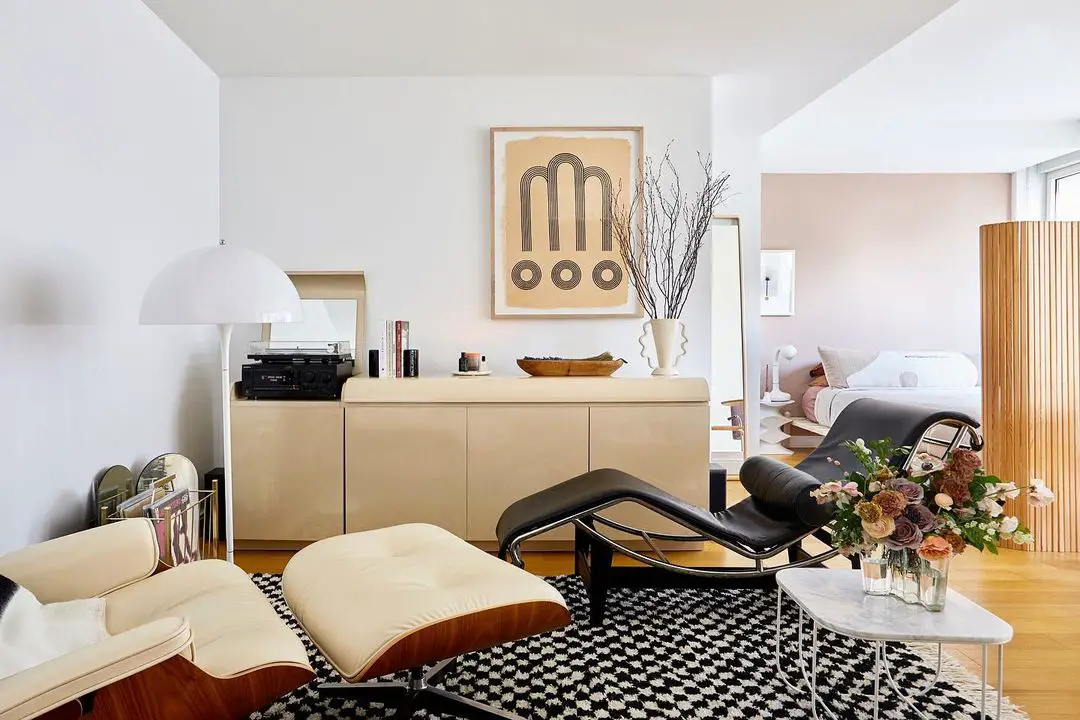
When I am looking at furniture for a mid century modern bedroom, I apply what I think of as the tapered leg test. If the legs are splayed outward at a slight angle and the piece sits low to the ground, it passes. If the legs are straight and vertical, it is probably from a different era, regardless of what the product listing calls it. This is not about being rigid, but about understanding the visual grammar. A bedroom where most pieces follow this logic will look coherent without feeling like a recreation of a period room.
Dressers and Nightstands: Where the Style Lives in the Details
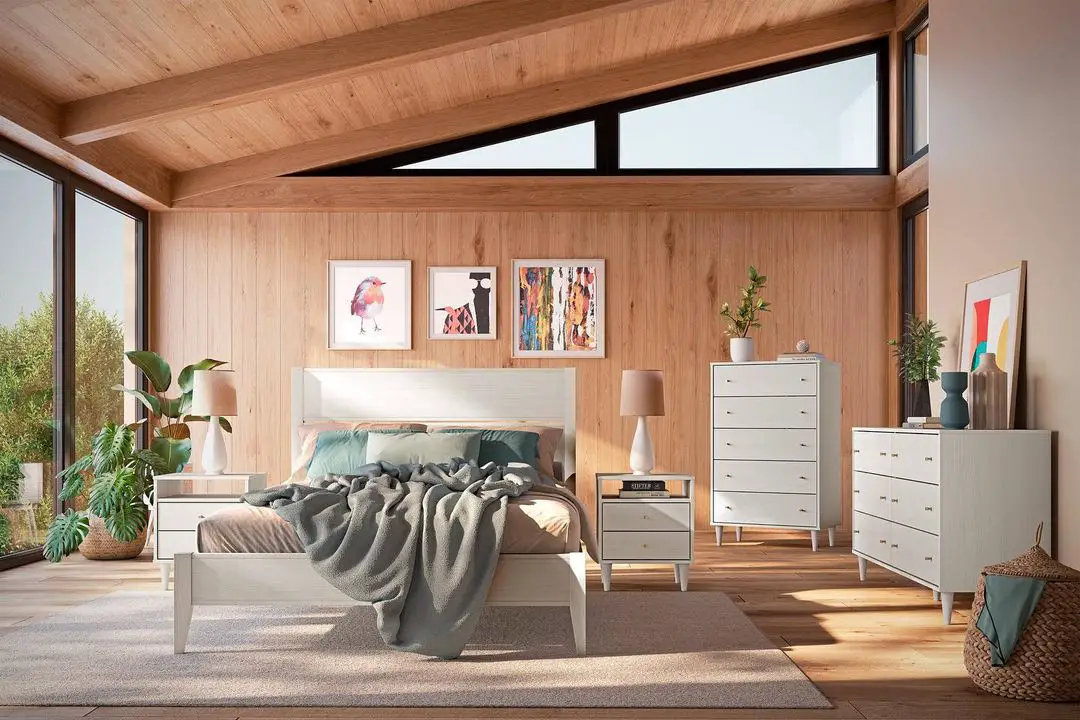
The dresser and nightstands are where a lot of people give up on the style without realizing it. They invest in a good bed frame but then put whatever flat-pack unit they already own next to it, and the room falls apart. The nightstand in particular is where the MCM look either clicks or does not. A small walnut-finish nightstand with a single drawer and tapered legs does more for this style than an expensive decorative lamp sitting on a generic white unit. Grain Wood Furniture and Article both make solid options in the $150 to $250 range per nightstand that nail the silhouette without requiring a full bedroom set investment.
Storage That Doesn’t Fight the Aesthetic
A few related Pinterest references in the same visual family as the section above.
The MCM approach to storage is to use less of it and make what you do use intentional. A low credenza instead of a tall wardrobe, built-in shelving instead of freestanding bookcases, a bed with under-frame drawers instead of a separate storage bench. In my current bedroom, I use a credenza as both a dresser and a media console. It is one piece doing two jobs, which fits the form-meets-function principle better than anything Owning before, and it keeps the room from feeling like furniture has taken over the space.
Texture, Pattern, and the Details Worth Caring About
The difference between a mid century modern bedroom that looks pulled together and one that looks like a furniture catalogue is almost always in the texture and small object choices. This is where budget-conscious decorating can actually shine, because most of the high-impact details are not expensive.
The Nightstand: A Small Piece That Gets Oversized Attention
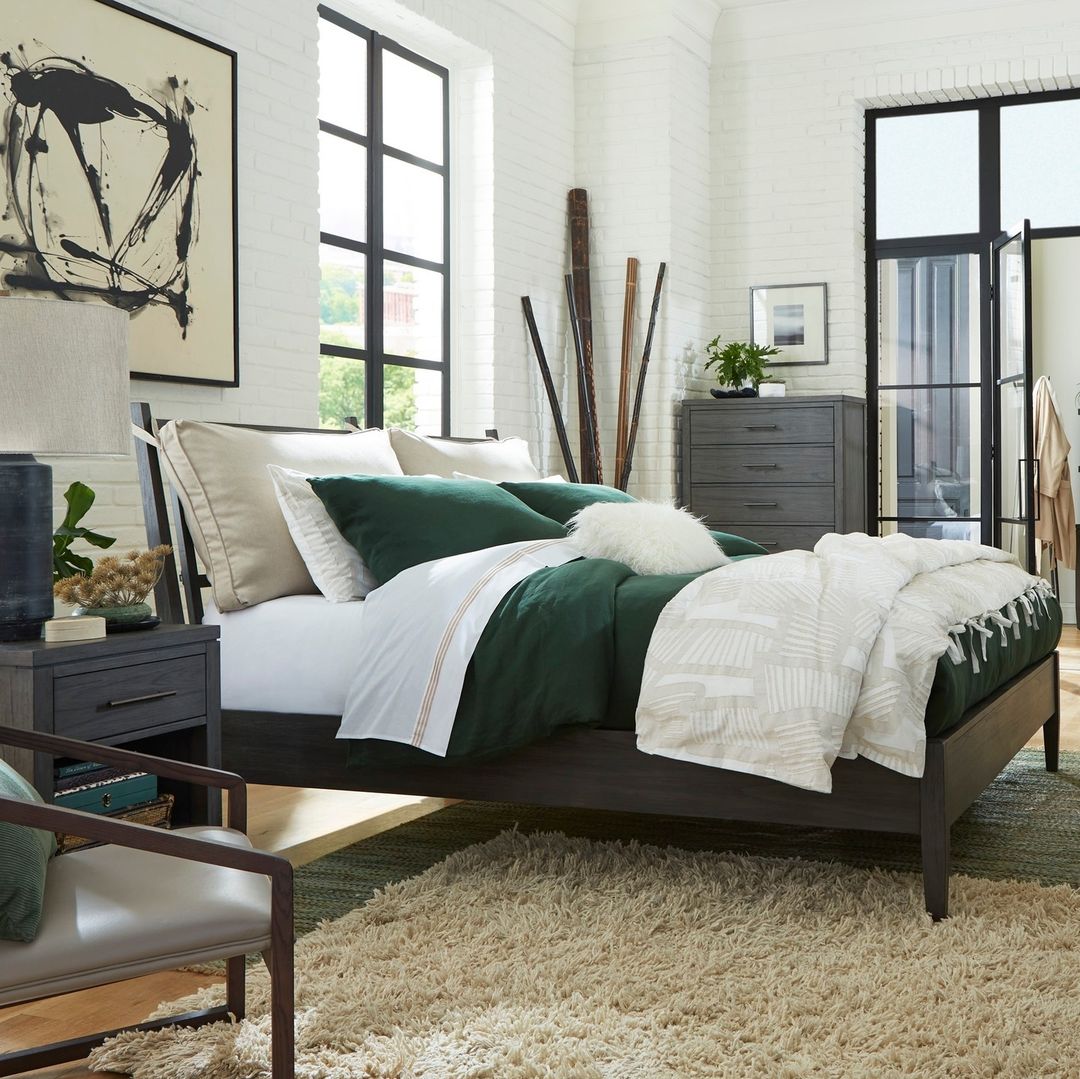
A nightstand in a well-edited MCM bedroom does not need to do much. A lamp, a small tray, maybe a single book. What it should not do is hold five things or host a trailing houseplant that obscures the furniture itself. The nightstand is often the first thing you see from the bed, and it frames the end-of-day ritual of the room. In practice, a ceramic lamp with a linen shade and a small sculptural object is all the nightstand styling a mid century modern bedroom needs. Anything more starts to feel like clutter in a style that does not accommodate clutter well.
Geometric Patterns: One Rule Worth Following
Related Arabian interior references with pattern, craft, and shade doing the compositional work.
Geometric patterns are correct in this style, but they need to stay abstract and muted. The classic MCM pattern is angular and controlled: hexagons, chevrons, simple repeating shapes in two or three colors. The mistake is using a loud geometric print on a large piece like a duvet or a rug. Keep the pattern small, use it on one piece only, and let everything else stay solid. A geometric throw pillow cover or a small area rug with a low-contrast pattern looks right in this style. A full bedroom in matching geometric bedding looks like retro costume, which is a different thing entirely.
Natural Materials That Don’t Read as Rustic
Related Italian interiors with proportion, material honesty, and one clear focal choice.
There is a fine line between the natural materials that belong in MCM design and the ones that make it feel like farmhouse style accidentally showed up. Rattan and wicker in small doses work: a small rattan accent chair, a wicker basket for storage in the corner. A rattan headboard or a large wicker dresser tips into a different aesthetic entirely. The key is to treat natural materials as accents within a room that is primarily defined by clean lines and wood, rather than as the dominant texture that everything else responds to.
Bedding That Completes the Palette
A few related Pinterest references in the same visual family as the section above.
The bedding in a mid century modern bedroom should be simple to the point of almost being boring in isolation. Solid linen or cotton in a muted tone, maybe with a subtle texture or a thin geometric weave. The bed is not where the pattern lives in this style. It is where the eye rests before moving on to the furniture and the walls. I have used the same duvet cover for three years: a slate gray linen from Coyuchi that stays convincing to washing, keeps its texture, and works with every seasonal palette Trying around it. That consistency is part of the point.
The Details That Pull Everything Together
The details I notice most in rooms that get this style right are small but consistent: drawer pulls in brushed brass or matte black, a clock with a clean face and minimal numerals, a plant in a clean ceramic pot rather than a woven one. None of these choices cost much individually. The first thing I would change in most MCM bedrooms that feel almost-there is the hardware on the furniture. Swapping out generic silver pulls for something in a warm brass finish takes ten minutes and changes how the piece reads more than you would expect for that level of effort.
Art, Accent Walls, and the Finishing Edit
Art selection and wall treatment are where MCM bedrooms tend to either come together or fall apart. The style has specific preferences about both, and they are worth understanding before you start hanging things. The same principles that apply here carry through to a mid century modern dining room, where wall treatment has an outsized effect on how the whole space feels.
Choosing Art Without Overthinking It
A few related Pinterest references in the same visual family as the section above.
The art in an MCM bedroom should be abstract, minimal, or related to nature in a simplified way. A clean geometric print, a botanical illustration with simple lines, a small sculptural piece in brass or ceramic. What does not work is anything too narrative or sentimental: a large family photograph or a framed landscape painting with visible brushwork. I have found that one oversized print in a simple frame works better here than a gallery wall arrangement. One large piece of abstract line art, properly centered above the dresser or a low console, carries more weight than six smaller pieces arranged together.
What Makes Artwork Actually Work in This Style
A few related Pinterest references in the same visual family as the section above.
The scale of the art relative to the furniture matters more than most people acknowledge. A piece that is the same width as the furniture below it, or slightly wider, looks intentional. Art that is narrower than the furniture below it looks like an afterthought. When I started applying this principle deliberately, I measured the piece the art would hang above and used that as my minimum width. It is a simple rule that changes how finished a room looks, and it costs nothing to apply before you commit to a print or a frame size.
Accent Walls: When They Work and When They Don’t
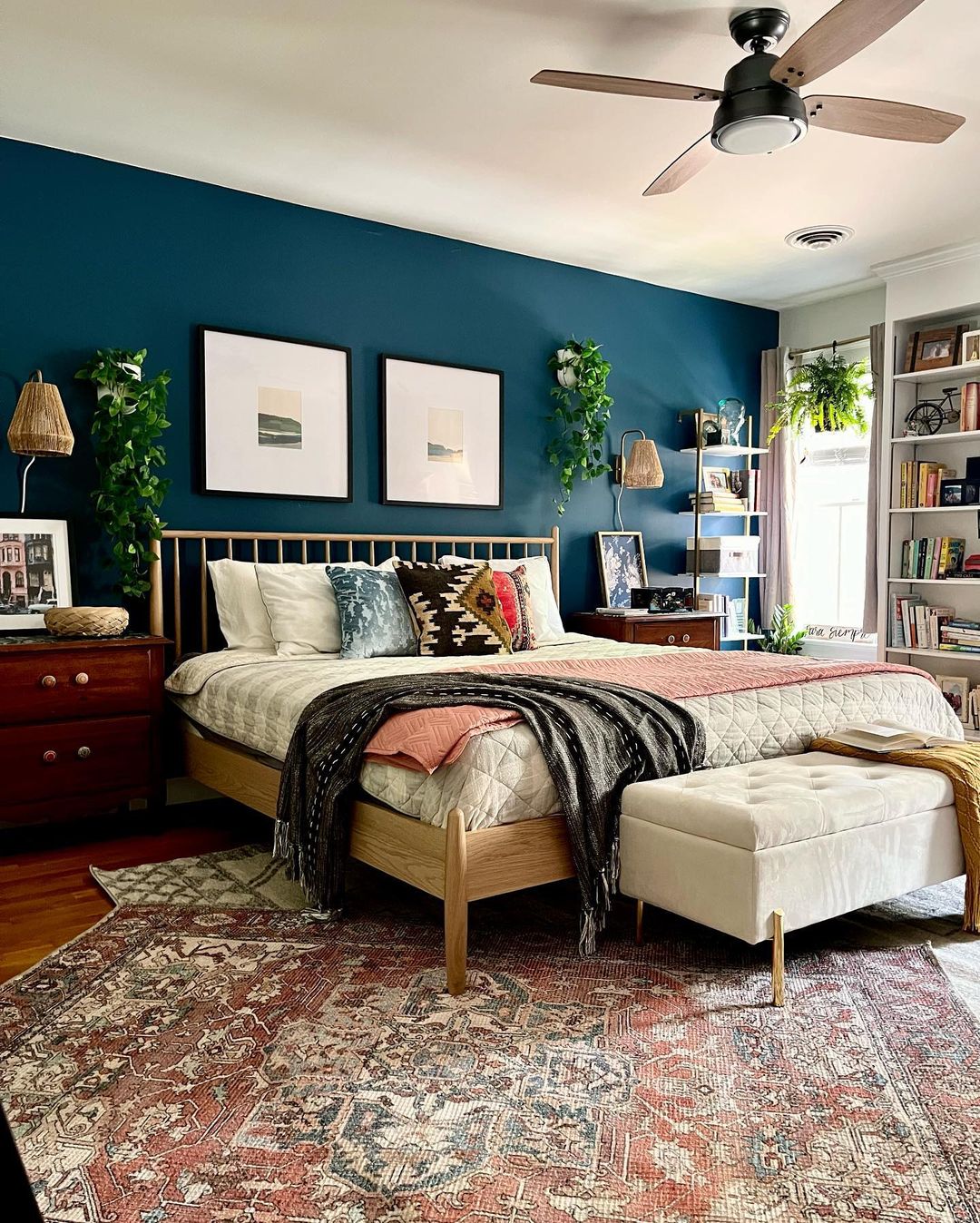
Accent walls in MCM bedrooms work when they are behind the headboard and in a color that deepens the existing palette without competing with it. A muted forest green, a deep warm gray, or a dusty terracotta behind a walnut bed frame will all work well. What does not work is a wallpaper with a pattern that calls attention to itself, or a bright color that dominates the room instead of anchoring it. The accent wall should make the bed feel more prominent. If the wall itself becomes the focal point, it has gone too far.
Storage as Part of the Design
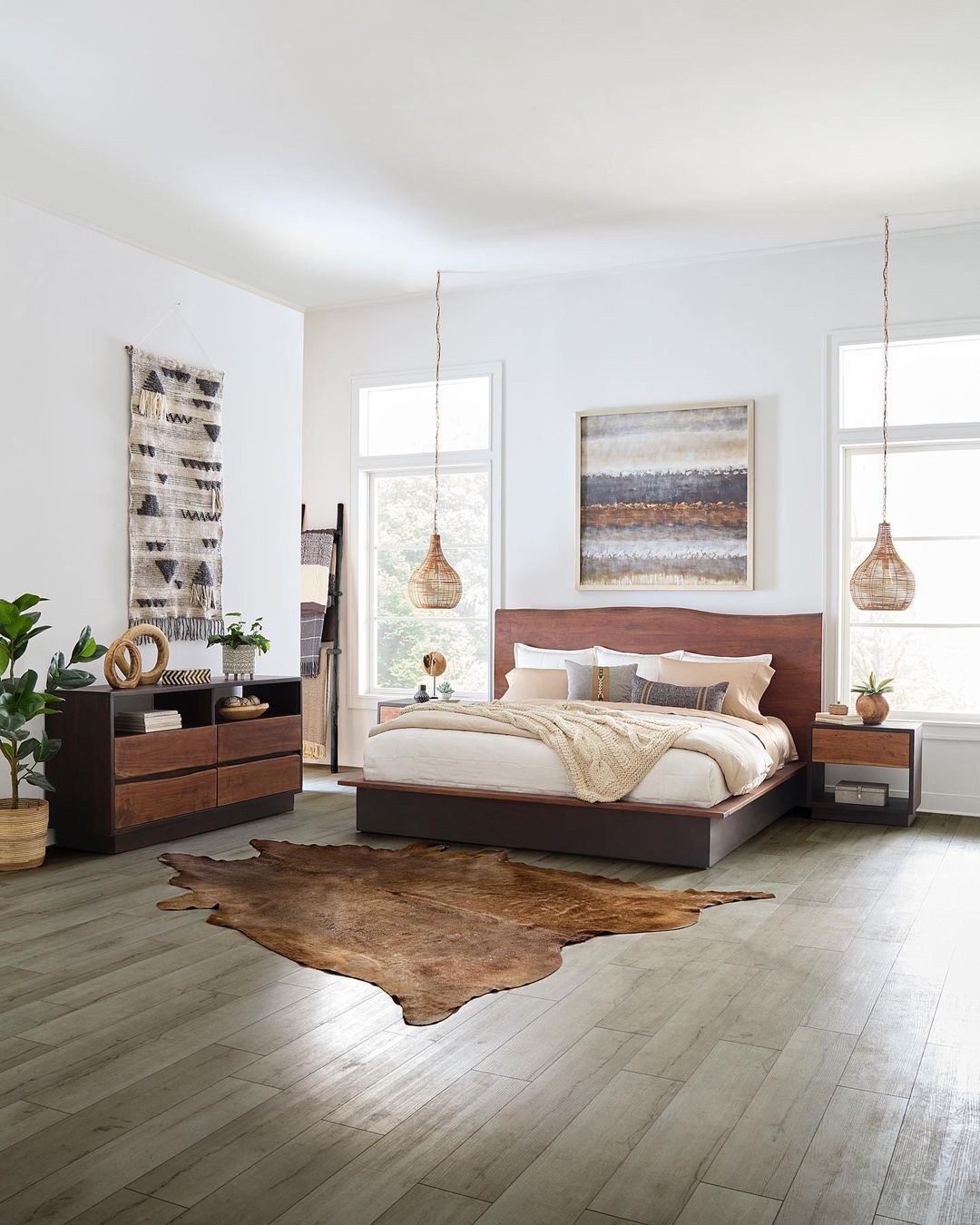
Built-in storage is the MCM answer to the clutter problem, and it is the approach I keep coming back to. Floating shelves, a built-in wardrobe with flush cabinet doors, under-bed drawers in a platform frame. In a rental where I could not install anything permanent, I used a low IKEA PAX wardrobe with custom fronts from Superfront in a warm walnut finish. It got close enough to a built-in look that it stopped feeling like furniture and started feeling like part of the room’s architecture. That wardrobe cost around $600 all in, and it was the best money I spent in that apartment. The style rewards that kind of thinking: storage that disappears into the design rather than announcing itself.
If you are approaching mid century modern style from a different minimalist background, it is also worth looking at how Japandi bedroom design handles a similar preference for clean lines and natural materials, since the two styles share some core principles while arriving at them differently.
Frequently Asked Questions
What defines mid century modern bedroom style?
Mid century modern bedrooms are defined by low-profile furniture, warm wood tones in walnut, teak, and oak, a muted color palette with deliberate accent colors, and the design principle of form meeting function. The style prioritizes clean lines and intentional choices over surface decoration.
What wood tones work best in a MCM bedroom?
Walnut is the most versatile choice, followed by teak and medium-toned oak. Avoid mixing woods that are more than two tones apart. Stay within a cohesive range and let the wood finishes complement rather than contrast with each other.
Is it expensive to decorate a mid century modern bedroom?
Not necessarily. The most important investment is usually the bed frame, where a well-made platform frame in the correct silhouette carries the style. Nightstands, lamps, and accent pieces can come from IKEA, H&M Home, or Target’s design lines. The budget version of this style is achievable if you prioritize the anchor pieces first.
What colors work in a mid century modern bedroom?
Muted neutrals, warm beiges, and medium grays form the base. Accent colors that work well include sage and olive greens, dusty blues, mustard yellow, and rust. Avoid bright, saturated colors. The palette should feel warm and considered rather than bold or contrasting.
How do I avoid an MCM bedroom looking like a 1950s recreation?
Mix period furniture silhouettes with contemporary textiles and art. A walnut bed frame with modern linen bedding and abstract art feels current. The goal is to draw on the design principles of the era, particularly clean lines, natural materials, and functional beauty, without recreating a period room wholesale.