Persian Interior Design: What Makes the Style Distinctive

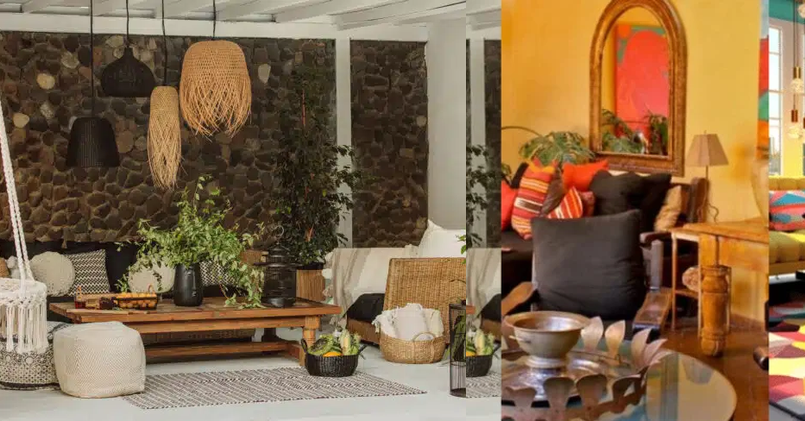
The first time I saw a properly styled Persian interior, I couldn’t stop staring. It was a photo of an apartment in London, not a palace, not a museum, and somehow the room felt both ancient and completely liveable. There was a faded red rug covering most of the floor, a brass tray on the coffee table, embroidered cushions in at least four different patterns. It should have been chaotic. Instead it felt like the most intentional room I’d ever seen.
I’ve spent a lot of time since then figuring out what makes Persian interior design work, and what most people get wrong when they try to recreate it. Here’s what I’ve learned.
What Sets Persian Interior Design Apart
It’s a Design Language, Not a Trend
Persian interior design isn’t a trend that arrived on Pinterest last year. It’s a tradition spanning thousands of years, rooted in Iranian architecture and craftsmanship: arched doorways, intricate tilework called kashi, and above all, handwoven textiles that are specific to particular regions and families. Understanding that changes how you approach it.
What separates it from Moroccan or Arabian interior design is the emphasis on pattern over geometry. Moroccan design tends toward bold geometric tile and repetition. Persian design leans into floral motifs, garden imagery, and the idea that every surface can carry a story. The carpet is the canvas, and everything else responds to it.
The Cultural Logic Behind the Layouts
One thing I didn’t understand at first is that Persian interiors are organized around privacy and hospitality at the same time, and that tension shapes everything. The traditional layout separates guest areas from family areas, with rooms tucked behind each other so visitors don’t see into private zones. If you live in a regular apartment, you can’t replicate this architecturally. But you can borrow the feeling: a dedicated guest-facing corner that feels considered and complete, separate from the lived-in areas behind it.
Architectural features like arched doorways, recessed wall niches, and tall columns are part of what gives Persian spaces their sense of ceremony. In a modern home, you can echo this with intentional framing: a doorway with a curtain instead of a door, a niche built from a floating shelf arrangement, even just placing furniture so sightlines open into the room rather than dead-ending at a wall. The effect is subtle, but it changes how the room feels to move through.
The Rug Is Not Optional
How to Choose a Persian Rug (Without Spending $5,000)
The first thing I’d change in any room I’m giving a Persian-inspired treatment is the rug. Not the throw pillows, not the brass tray, not the curtains. The rug first, and everything else responds to it.
Authentic hand-knotted Persian rugs from cities like Isfahan, Tabriz, or Kashan are extraordinary and expensive. A decent 8×10 from a reputable source can run anywhere from $800 to several thousand dollars. I’m not going to tell you to spend money you don’t have, but this is the one splurge in Persian design where the quality actually shows: the color depth, the texture underfoot, the way the pattern shifts slightly in different light. You don’t get that from a machine-made version.
If the budget doesn’t allow for the real thing, Rugs USA and Loloi both make machine-made Persian-style rugs in the $200 to $400 range for a large size that look credible. I’ve used the Loloi Layla collection and it held up well over two years. Just avoid anything with a fake distressed or aged effect. That trend has produced a lot of rugs that look tired within a year of purchase.
Placement Matters More Than You Think
Most people place their rug too small and too centered. In Persian interiors, the rug doesn’t just mark the seating area. It dominates the room. If you have a sofa grouping, you want a rug where at least the front legs of every piece of furniture sit on it. Ideally, the entire sofa sits on the rug.
Trying a 5×8 rug in a previous rental. It made the room feel smaller, not larger. When I went up to a 9×12, the whole space settled. The rug anchors everything, and if it’s too small, nothing else in the room looks right either. The budget version of this advice: measure your seating group before you buy anything, then size up one step from what you think you need.
Traditional Persian rugs carry patterns that tell stories about the region they come from. Rugs from Qashqai, Bakhtiari, and Isfahan each have a distinct visual signature. If you’re buying vintage or secondhand, learning to recognize these regional differences helps you choose something with real character rather than a generic “Persian-looking” rug. That specificity is what gives the room depth.
Getting the Persian Color Palette Right
The Colors that work Together
The traditional Persian palette isn’t shy: deep reds, turquoise, jade green, earthy browns, ivory. These colors have been refined over centuries because they work together, but only if you follow the underlying logic. The intense colors belong in the textiles. The walls stay neutral.
This is where most people go wrong. They see the vibrant colors in a Persian interior and try to put them on the walls. In practice, the room immediately becomes exhausting. In a well-executed Persian interior, the walls are almost always cream, warm white, or a soft earthy tone. The rug, cushions, and decorative pieces carry all the color. The walls recede and let the textiles do the work. The colors in Persian design are naturally dye-rich because many traditional pieces used plant-based dyes, which gives them a warmth that synthetic colors rarely match.
The One Rule About Metallics
Brass, copper, and gold are central to Persian interiors, not as a trend accent but as a functional tradition. Copper vessels, brass trays, engraved mirrors. World Market and CB2 both carry pieces that fit this context, usually in the $25 to $80 range for smaller accent pieces. A set of three brass vases in different heights on a console table is enough to set the tone without overdoing it.
What to avoid: anything silver-toned or chrome. The cool metallic finish works against the warmth that Persian interiors are built on. If you already have silver fixtures in your space (faucets, cabinet hardware), that’s fine, it won’t ruin the look. But when you’re choosing decorative pieces intentionally, go warm.
Layering Textiles Without It Looking Chaotic
The Three-Layer Rule
Persian interiors layer textiles in a way that looks effortless until you try to recreate it and realize it takes real thought. What works is thinking in three layers: foundation (the rug), mid-layer (throws and larger cushions), and accent (smaller decorative pillows and embroidered pieces).
The key is that patterns don’t need to match, but they do need to share at least one color. A red-and-ivory rug can carry a turquoise cushion if there’s a thread of turquoise somewhere in the rug’s border. A green throw can work over a red sofa if the cushions bridge the two colors. I learned this the hard way when I layered three patterns that had nothing in common and ended up with a room that looked like a textile market had exploded. The fix was pulling everything out and starting from the rug, adding one piece at a time and checking that each new item connected back to something already in the room.
Heavy Drapes Are Doing More Work Than You Think
One element that gives Persian interiors their sense of warmth and weight is the window treatment. Sheer curtains alone won’t get you there. Heavy velvet or woven fabric drapes, ideally floor-to-ceiling, add the softness that keeps the room from feeling too contemporary or sparse. IKEA’s Sanela velvet curtains, around $40 to $50 for two panels, are a solid budget option that actually look more expensive than they are.
The full-length approach also makes ceilings look taller, which is a welcome side effect in most apartments. Hang the rod as close to the ceiling as you can, and let the curtains puddle slightly on the floor. That extra inch of fabric at the bottom looks intentional, not sloppy, and it adds to the layered, textile-heavy quality that Persian interiors do so well.
Furniture and Accents That Actually Belong in the Room
The Antique-Modern Mix (That Doesn’t Look Like a Thrift Store)
This is the question I get most often from people interested in modern eclectic interior design: how do you mix old and new without it looking random?
In Persian interiors, the answer is to use the traditional pieces as anchors and the modern pieces as neutrals. One carved walnut side table, one brass coffee table tray, one piece of miniature Persian painting on the wall. These establish the vocabulary of the room. The sofa can be modern and clean-lined. The lighting can be contemporary. The shelving can be simple. The traditional pieces have enough visual weight that they pull the modern pieces into their orbit, rather than the other way around. You’re not making a period room; you’re making a room that has history in it.
Look for dark woods like walnut or mahogany for furniture pieces. Intricate carvings or inlay work signal craftsmanship in a way that feels intentional rather than decorative. Upholstered chairs in a bold paisley or geometric pattern can carry a lot of the style’s personality without requiring you to change anything structural about the room.
What to Skip (Even If It Looks Good on Pinterest)
I’d steer away from oversized decorative lanterns if you’re trying to avoid a look that tips into generic territory. It reads as costume rather than culture. What feels more genuinely Persian: a small stack of handwoven baskets, a ceramic piece from a specific regional tradition like Yazd or Natanz pottery, a textile fragment framed on the wall. Those choices show a real relationship with the style rather than a surface-level interpretation.
The same goes for anything labeled “inspired by” on mass-market sites without any actual connection to the craft tradition. A cheap printed rug with a vaguely Persian pattern on a polyester base isn’t doing the style any favors. Better to have fewer pieces of actual quality than to fill a room with things that approximate the aesthetic without capturing it.
Bringing Persian Interior Design Into a Modern Space
Start With One Good Rug
If you’re not ready to commit to a full Persian interior, start with the rug. One good rug in a room of otherwise contemporary furniture is enough to change the feeling of the space entirely. In my current apartment, I have white walls, simple furniture, and a rich Isfahan-pattern rug in deep red and ivory on the floor. The room immediately feels more layered and considered than it did with the plain jute rug that was there before. It’s the lowest-risk way to test whether the aesthetic works for you before you invest in more pieces.
Persian and Bohemian Are Natural Companions
If you already have a Moroccan-influenced or boho base in your home, Persian elements layer in naturally. Both styles share an appreciation for handmade textiles, pattern mixing, and warm metallics. The main difference is that Persian design tends to be slightly more formal and symmetrical. The furniture arrangement is more considered, the cushion placement less casual. Adding Persian pieces to a boho base gives it a sense of intention that pure boho sometimes lacks, and it introduces a historical specificity that makes the room feel less trend-driven and more genuinely personal.
Velvet pillows, embroidered throws, kilim-style rugs in earthy hues, antique carved furniture paired with faded vintage pieces: these all work across both traditions. Add a pouf or two for flexible floor seating, which is deeply rooted in Persian hospitality culture, and the room becomes both comfortable and layered in a way that takes effort to achieve and looks completely natural once it’s there.
Frequently Asked Questions
What is the most important element in Persian interior design?
The handwoven rug is the foundational element. Every other decision responds to it: furniture placement, color palette, textile choices. Get the rug right and the rest of the room becomes much easier to style.
Can you incorporate Persian interior design in a rental apartment?
Yes. The key elements are all non-permanent: rugs, textiles, and decorative accents require no wall damage. Avoid adhesive tilework or paint if your lease prohibits changes, but the layered textile approach works completely within rental constraints.
How is Persian interior design different from Moroccan design?
Persian design emphasizes floral motifs, garden imagery, and regional carpet traditions. Moroccan design leans more toward geometric tile patterns and plasterwork. Both use rich color and handmade textiles, but the visual vocabulary is distinct.
Where can I find authentic Persian rugs without paying gallery prices?
Estate sales and auction sites like LiveAuctioneers are worth checking for vintage pieces. For new rugs, Rugs USA and Loloi offer affordable options with classic patterns. For authentic hand-knotted rugs at more accessible prices, look for Persian rug dealers who sell online and offer smaller sizes in the $400 to $800 range.