Interior Design Trends: What Is Worth Keeping

I’ve been scrolling through design content since before it was an algorithm, and every spring I brace myself for the “interior design trends” wave. Some of it is noise. But this year is genuinely interesting: not because everything changed, but because a few ideas that have been building for years are finally landing in homes that look like real people live in them.
Here’s what I’m actually tracking this year, based on what I’ve seen work in my own space and what I’ve noticed holding up past the hype cycle.
The Textures Taking Over this year
Venetian Plaster: The Wall Treatment Worth the Learning Curve
The first time Trying Venetian plaster on a feature wall, I completely botched the application and spent a weekend sanding it back. The second time, it looked exactly like what you see in those aspirational interiors accounts: layered, warm, tactile in a way that paint simply cannot replicate. The trend has been building for three years, but this year is the year DIY kits have actually gotten good enough to be approachable. The key is to commit to the imperfection: it’s not supposed to look smooth. Brands like Roman Venetian Plaster and Portolano make kits for around $60 to $80 that cover a feature wall if you manage the coverage properly. What you’re buying is depth: the wall looks different depending on what light hits it. That’s something flat paint never does.
Boucle Still Earning Its Place
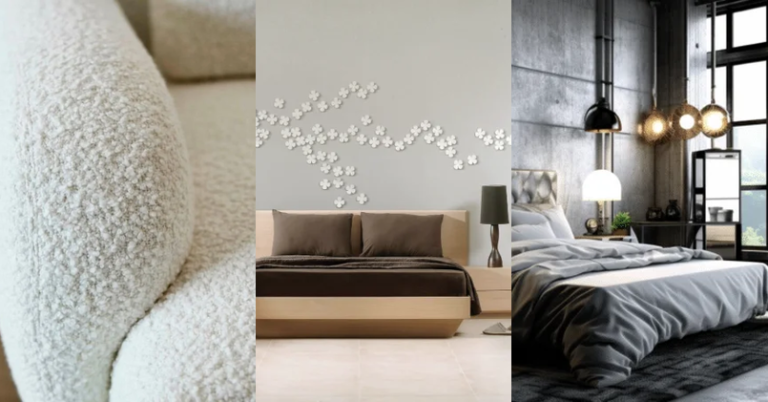
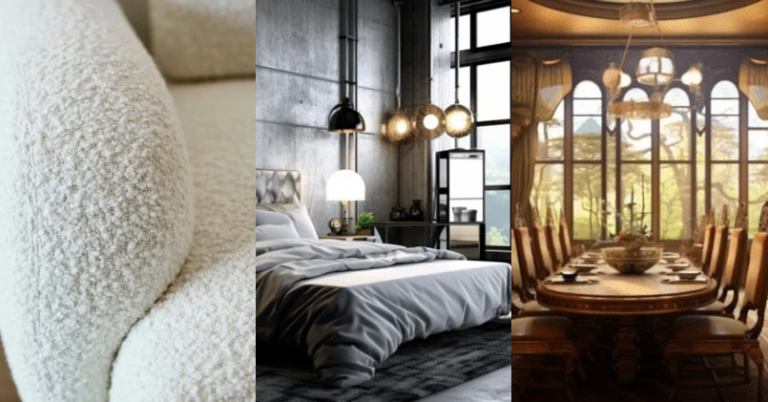
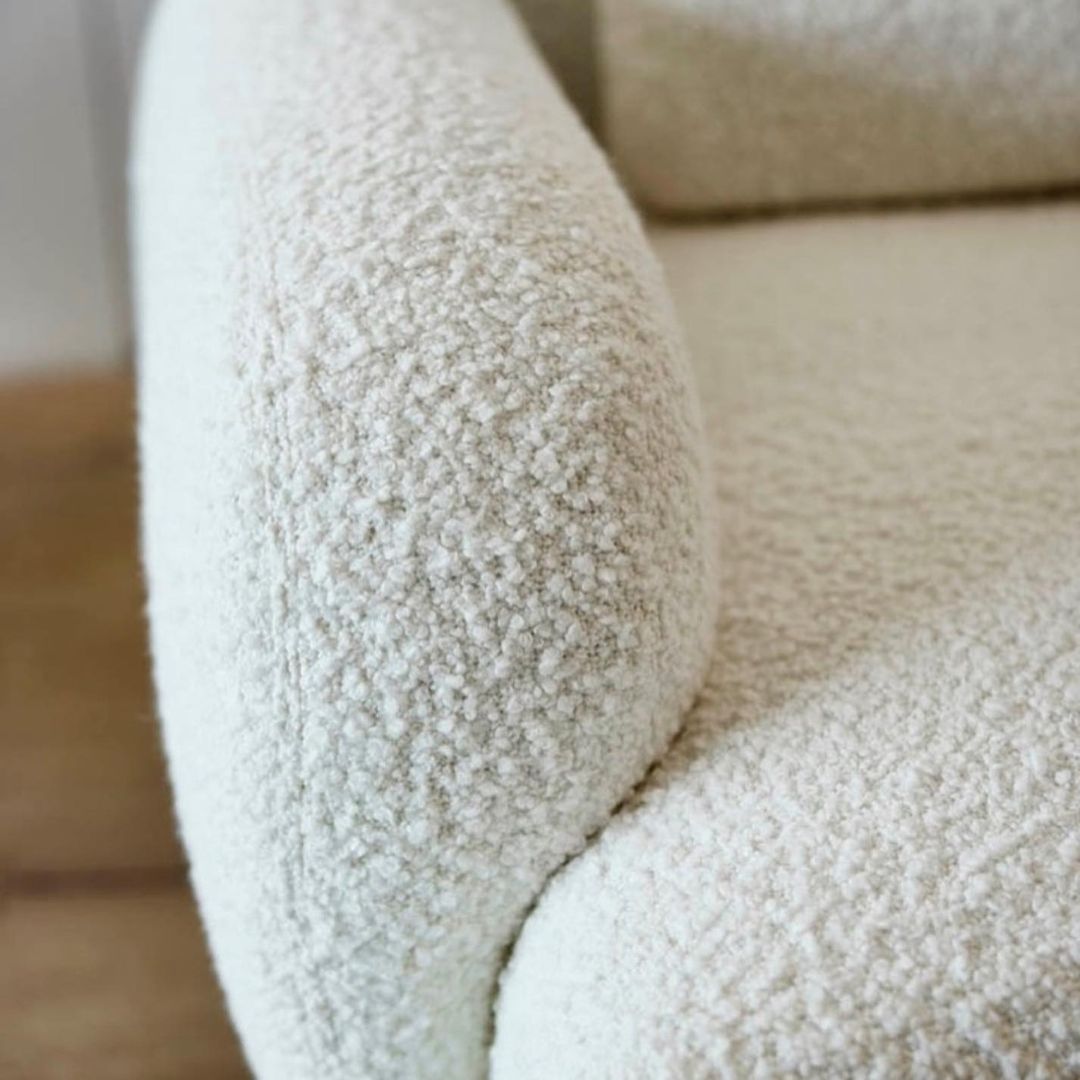
I was skeptical of boucle at first. It seemed like a trend that would peak fast and date even faster, the way all-white everything did. Two years in, I’m willing to say I was wrong. In practice, boucle works because it solves a real problem: it makes minimalist spaces feel inhabited rather than staged. A boucle chair in an otherwise spare room looks like a deliberate choice, not furniture filler. The budget version of this is Structube and Article’s boucle offerings, both of which are holding up better than I expected in terms of durability and long-term visual appeal.
Organic and Fluid Shapes: Why Sharp Corners Are Starting to Feel Wrong
A few related Pinterest references in the same visual family as the section above.
There’s something that happens when you put round furniture into a rectilinear room, the space exhales. I first noticed it when I swapped out a boxy TV console for something with curved edges, and the living room immediately felt less formal. Interior design trends are pushing this further: blob-shaped mirrors, rounded sofas, arched shelving units. The principle is simple enough. Hard geometry feels intentional and controlled. Organic shapes feel comfortable and human. Most of us actually want our homes to feel like the second one.
Natural Materials, Done Right
Wood Panels and Stone Veneers as Statement Walls
A few related Pinterest references in the same visual family as the section above.
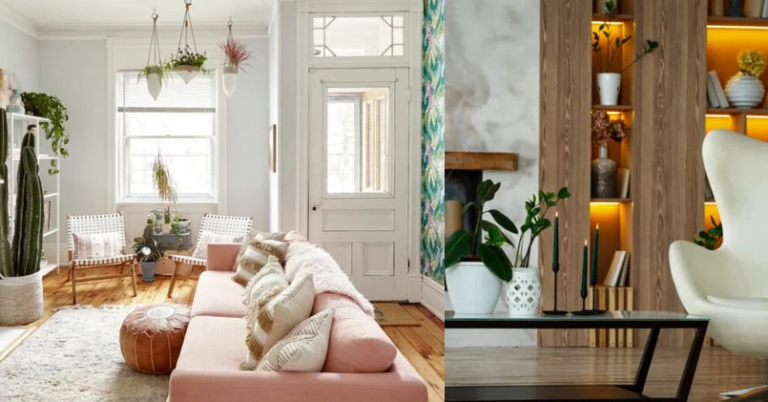
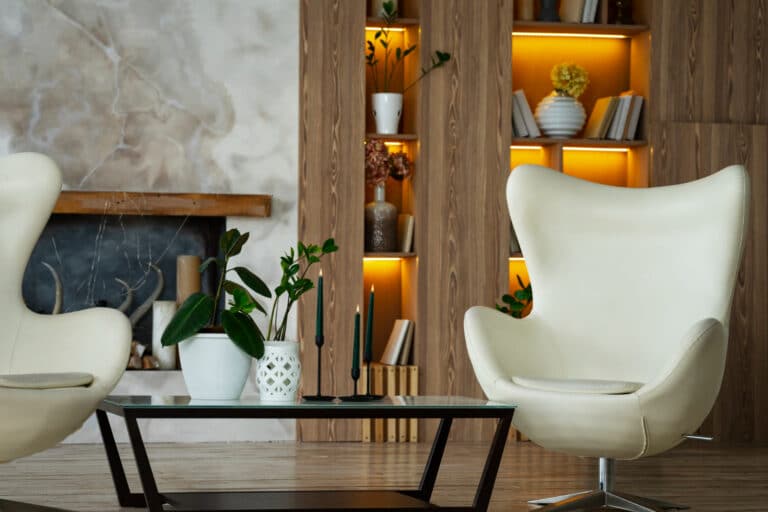
Accent walls had a rough decade in the mid-2010s. Feature walls with paneling or stone veneer are different, and I’m finally on board with them. The first thing I’d change in most living rooms is the walls: one wall of narrow wood slats or a stone veneer panel immediately gives the space a built-in look that took years to achieve. Stone veneers from MSI Surfaces run around $8 to $15 per square foot and genuinely look like the real thing at arm’s length. The key is keeping everything else simple: let the wall do the work.
Hardwood and Stone Tile Floors: The Investment That Pays Off
A few related Pinterest references in the same visual family as the section above.
Flooring is the one place I’d tell anyone to stretch the budget if they can. I’ve lived on laminate, I’ve lived on hardwood, and the difference in how a room feels underfoot is not subtle. The direction leans toward wider planks and large-format stone-effect tiles, and both of which make a room look larger and more intentional. Contrary to what most budget guides suggest, upgrading flooring delivers more visual impact per dollar than almost any other change. If you’re renting and can’t change the floors, a large area rug in natural fiber is the closest approximation: wool or jute over laminate gets you most of the way there.
Marble and Terracotta: The Grounding Duo
A few related Pinterest references in the same visual family as the section above.
These two materials shouldn’t work as well together as they do. Marble is cool, precise, and aspirational. Terracotta is warm, rough, and immediate. In practice, they balance each other in a way that neither does on its own. I’ve been using a terracotta planter collection alongside marble coasters on my coffee table and the combination grounds the space without making it feel precious or overwrought. For people who want to try the duo on a budget, IKEA’s terracotta pot range is still the best value I’ve found, and marble-effect contact paper on a shelf reads well in person and in photos both.
Rattan: Less Boho, More Considered
A few related Pinterest references in the same visual family as the section above.
Rattan spent years being associated with a very specific boho-maximalist look that a lot of people couldn’t connect with. The version gaining traction now is different: single rattan pieces in otherwise clean, spare rooms. A rattan pendant light over a dining table. One rattan side chair. The material has a warmth and a handmade quality that makes a space feel less like a showroom. JS Furniture’s rattan pieces are built well, not over-styled, and priced fairly. Worth looking at before defaulting to anything from a big box store.
Metallic Details that work
Gold and Chrome Legs on Furniture
Metallic legs on sofas, coffee tables, and shelving units have a specific effect: they visually lift the furniture off the floor, which makes a room look less cluttered even when nothing has actually been removed. The gold version skews warmer and more traditional. Chrome is cooler and more industrial. Both work, and the choice depends on whether your space is already warm or neutral. In a typical apartment, I replaced a heavy wooden-leg console with one on slender brass legs and the entry felt twice as open. That’s a real change with no demolition required.
Mixed Metals as a Conscious Design Choice
A few related Pinterest references in the same visual family as the section above.
For a long time the standard advice was to pick one metal and stick with it. Interior design trends are relaxing that rule, and I think the relaxation is correct. In practice, a single metal throughout a space can look try-hard, like someone followed a checklist. Mixing brass with matte black, or chrome with aged bronze, works because it mimics how real spaces are assembled over time. The rule I do keep: limit yourself to two metals, and repeat each one at least twice in the room so it feels intentional rather than accidental.
Style Philosophies Worth Adopting
Minimalism: The Version That’s Actually Liveable
A few related Pinterest references in the same visual family as the section above.
Trying and failed at strict minimalism twice. The problem wasn’t the aesthetic: it was that I was chasing the magazine version, which is staged and cleared for a photoshoot. The current interpretation of minimalism is different: it’s about reducing friction, not reducing possessions to zero. The starting point is surfaces. If your horizontal surfaces are clear, the room looks minimal even with a full bookshelf visible. That’s the single change that made the biggest difference in my space. Japandi interior design applies this principle well: a blend of Japanese and Scandinavian restraint that prioritizes warmth over austerity.
Vintage and Retro Elements: Not Nostalgia, Just Good Taste
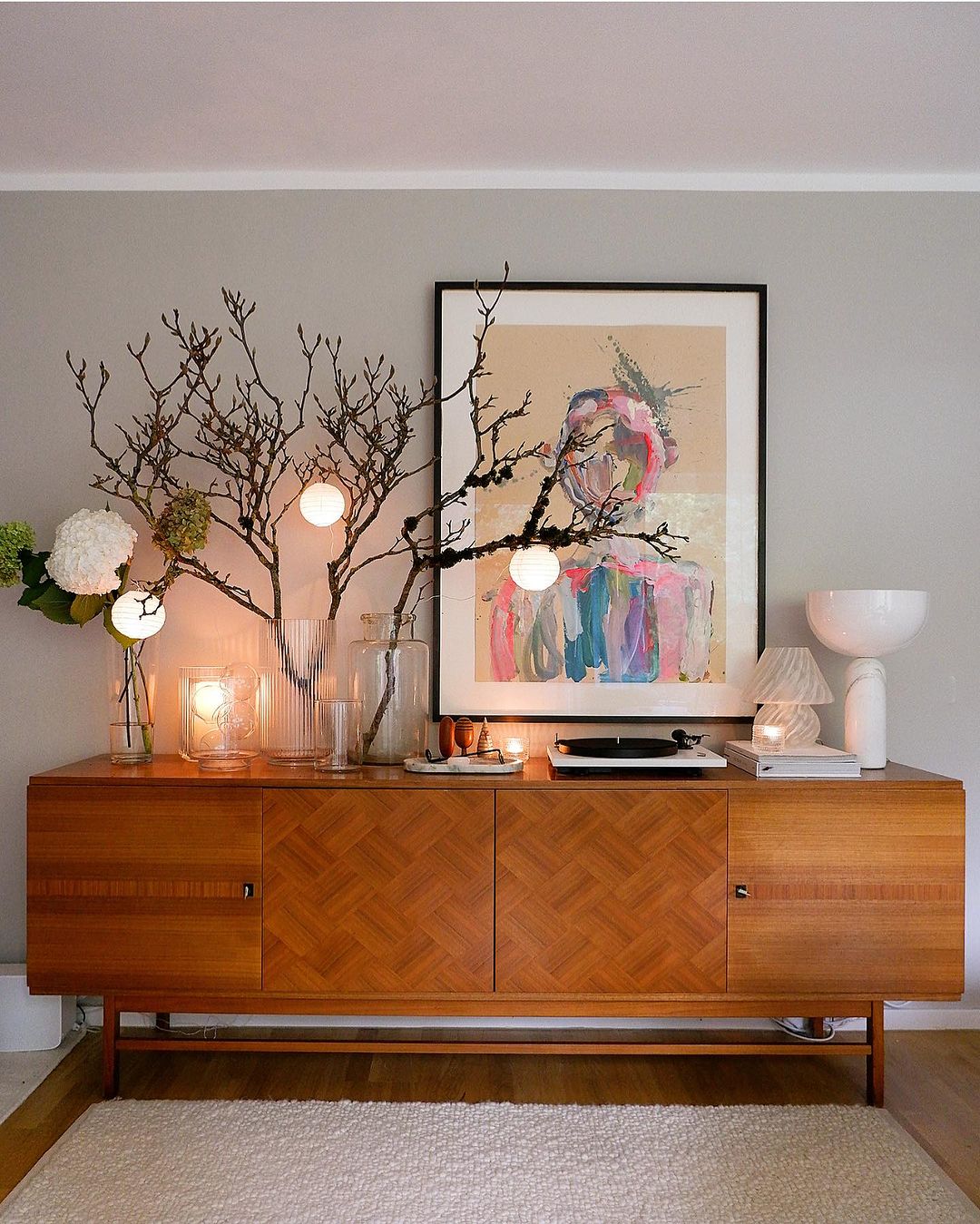
Vintage elements in a modern room work because good design doesn’t expire. A 1960s side table, a lamp from an estate sale, a ceramic piece from a different decade: these objects hold their own because they were made with care in ways that flat-pack furniture often isn’t. The first thing I’d tell someone trying this: don’t buy “vintage-style” new items when you can find the actual thing. Facebook Marketplace, estate sales, and Chairish are consistently better value than anything staged to look old. A genuine vintage piece also looks different: there’s a patina and imperfection that new items trying to look aged never quite replicate.
Collected Spaces: The Anti-Showroom Home
A few related Pinterest references in the same visual family as the section above.
The most interesting rooms I’ve seen lately don’t look like they were designed all at once. They look like someone lived in them, bought things they actually liked, and added to them over time. The interior design term for this is “collected”, and it’s genuinely harder to achieve than it sounds. Wabi sabi interior design captures part of this philosophy: the idea that imperfection and gradual accumulation have their own beauty. The practical advice here is to resist replacing everything at once. A room that comes together gradually tends to have more character than one that arrives in a single haul.
Sustainability and Wellbeing
Eco-Conscious Materials: No Longer a Compromise
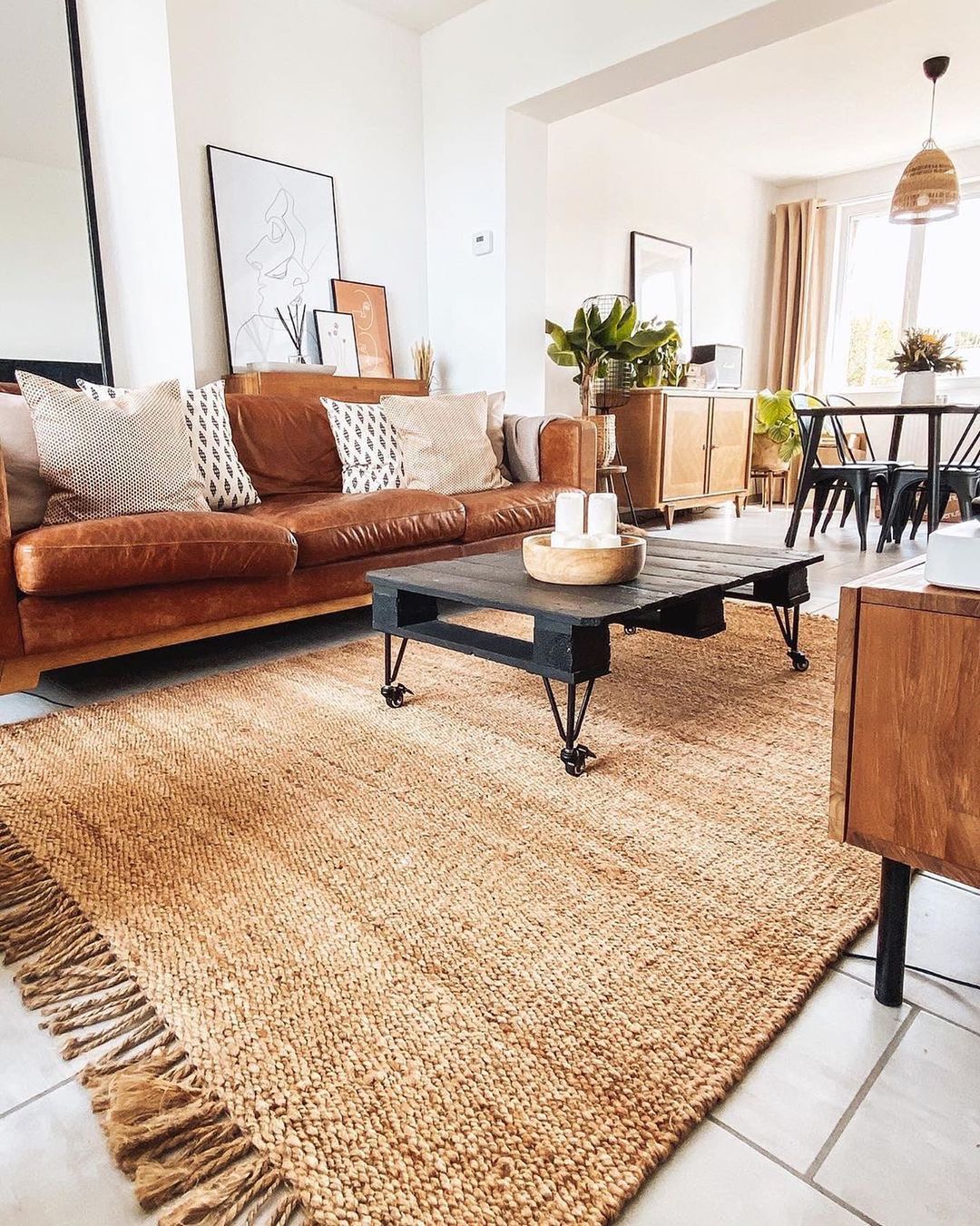
Sustainable materials used to mean accepting a trade-off in quality or aesthetics. That’s mostly not true anymore. Natural fiber rugs, FSC-certified wood furniture, recycled glass tiles, and these are all genuinely competitive options against their conventional equivalents. What actually works is treating sustainability as a sourcing criterion rather than a style. The budget version of eco-conscious design: buy secondhand. A secondhand piece of solid wood furniture is always more sustainable than a new piece of particleboard with a wood veneer, and it usually outlasts it by decades.
Biophilic Design: More Than Just Plants
A few related Pinterest references in the same visual family as the section above.
Biophilic design gets reduced to “put plants in your house,” which misses the actual principle: bringing natural patterns, textures, and rhythms into interior spaces. Plants are one way, but natural light, organic materials, and views of the outdoors are all part of it. Anyone interested in exploring interior plant design more seriously will find the payoff goes beyond aesthetics: there’s real research on how natural elements affect stress levels and focus. In a home office, adding a large monstera and switching to full-spectrum lighting changed how I felt working there, not just how it looked on a video call.
Creating a Sanctuary: Rest as a Design Priority
A few related Pinterest references in the same visual family as the section above.
The underlying idea matters more than the word “sanctuary”: some spaces should be optimized for rest rather than productivity or aesthetics. This year, more people are designing their bedrooms and reading corners with this in mind: lower lighting, softer textures, fewer visual elements competing for attention. A darker bedroom genuinely supports sleep better than a bright one. The first thing I changed when I committed to this: I moved my phone charger out of the bedroom and replaced the overhead light with a low-wattage lamp on a side table. The space felt completely different within a week. It wasn’t a design change. It was a decision about what the room was for.
Atmosphere and Light
Playful Lighting: The Easiest Upgrade in Any Room
A few related Pinterest references in the same visual family as the section above.
Lighting is the thing people change last and should change first. A statement pendant, a cluster of Edison bulbs, an arched floor lamp. None of these are expensive relative to what they do to a space. The interesting direction is sculptural lighting: fixtures that look good even when they’re off. A ceramic lamp base, a rattan pendant, a glass globe in an unexpected shape. These add visual interest at eye level, which is where you actually look in a room, not at the walls or the floor. The upgrade cost is often under $100 and the impact is immediate.
Interior Design Trends: What stays convincing Over Time
A few related Pinterest references in the same visual family as the section above.
Not every trend makes it past the season it launches in. The ones that do tend to solve a real problem or reflect a shift in how people actually want to live. What I’m watching hold up: the move toward natural materials, the acceptance of collected rather than curated spaces, and the prioritization of rest and wellbeing as design goals. For anyone starting from scratch, understanding the basics of interior design matters more than following trends: the principles behind balance, proportion, and material selection are what make trend-forward choices land well. These aren’t really trends anymore. They’re corrections. The maximalist Pinterest era gave way to something more considered, and the spaces coming out of this moment are better for it.
Frequently Asked Questions
What are the biggest interior design trends?
Natural materials, organic shapes, and sustainable choices are leading. Boucle, Venetian plaster, rattan, and biophilic elements are all strong. The overarching direction is away from curated showroom spaces and toward rooms that feel genuinely lived-in and personal.
Is minimalism still popular?
Yes, but the version gaining traction now is warmer and more liveable than the stark minimalism of a few years ago. Japandi and Wabi Sabi interpretations are closer to what’s working in real homes: restraint with warmth, not emptiness for its own sake.
What interior design trends are fading out?
All-white interiors, gray-dominated palettes, and anything that looks staged for social media rather than lived in. The direction is toward warmth, texture, and individuality over uniformity and photogenic simplicity.
What is the most affordable design trend to try at home?
Lighting changes give the biggest return for the lowest investment. A single sculptural floor lamp or pendant can shift the atmosphere of an entire room without requiring any structural changes or a large budget.
How do I add natural materials without doing a full renovation?
Start with textiles, accessories, and plants. A natural fiber rug, a rattan pendant, a few ceramic pieces, and one or two real plants add the material quality of biophilic design without touching a single wall or floor.