Speakeasy Interior Design: Low Light, Scale, and Material Contrast

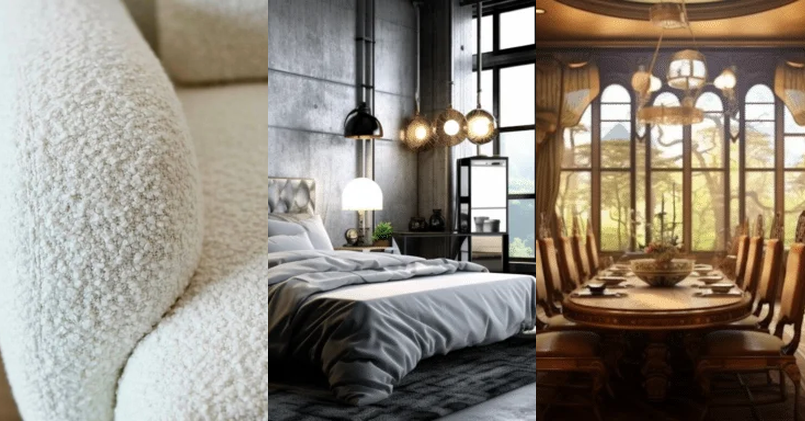
Speakeasy interior design is not a neon sign that says cocktails. It is low light, close seating scale, material depth, and acoustic hush. I learned that after a friend hung brass lamps too high and wondered why the room still felt like a bright diner.
In Austin I host small groups in a rental with normal ceilings. Speakeasy mood comes from dimmers, dark wood tones, velvet or leather touch points, and furniture pulled closer than mainstream layout blogs suggest.
The pins show the vibe layer. This article is the technical layer: lamp height, bulb temperature, rug size for conversation pits, and when mirror actually helps instead of making glare.
Light Levels and Bulb Choice
Speakeasy interior design lives between twenty and forty percent dimmer output at night. I install dimmers on every circuit I can and use warm 2200K to 2700K bulbs with high CRI so skin tones stay human.
Pendant height over seating should land near eye level when seated, not ceiling jewelry. High glow reads banquet hall, not intimate lounge.
Table lamps with opaque shades pool light on surfaces and faces. That pool is where conversation happens.
Avoid blue-heavy smart scenes. They kill the tobacco-and-wood story even if the furniture is perfect.
Seating Scale and Conversation Geometry
Pull furniture closer than you think polite. Speakeasy interior design assumes eight feet max between seated guests for easy talk, not stadium spacing.
Low profile seating works in standard ceilings if head clearance stays comfortable. I choose sofas with lower backs to keep sightlines open across the group.
Mix a bench or ottoman as flexible perch for overflow guests without adding another full chair footprint.
Corner banquettes are ideal but rare in rentals. Two sofas facing with a shared coffee table approximates the enclosure.
Material Palette: Dark Wood, Leather, Velvet
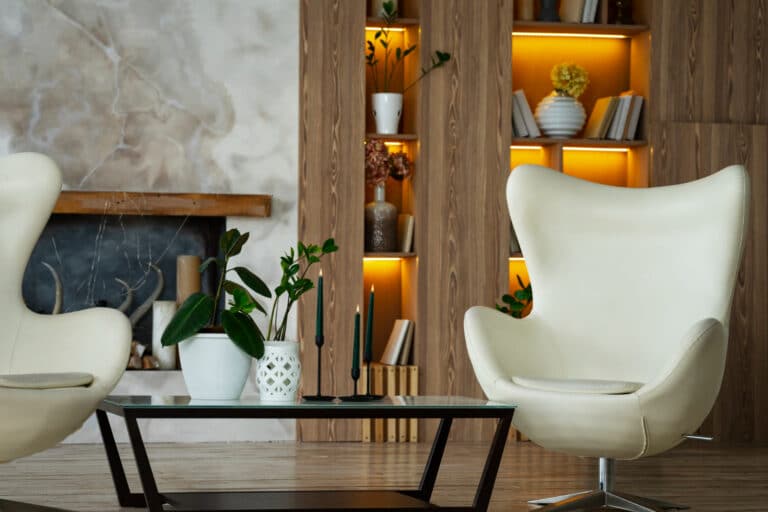
Dark walnut or espresso wood anchors the story. Speakeasy interior design needs one dominant wood tone repeated on tables and shelving.
Leather or velvet on seating adds touch luxury. I choose matte leather over glossy vinyl every time.
Metal appears as aged brass or iron, sparingly. Bar cart brass is enough; brass everything is nightclub.
Stone or marble tops on small tables catch lamp pools and feel substantial. Laminate rarely reads right in low light.
Acoustic Hush and Rug Strategy
Hard surfaces bounce voices. Speakeasy interior design needs rug coverage under seating zones, wall textiles, or upholstered panels in larger rooms.
I use a rug large enough that front legs of all seating sit on it. Floating small rugs look like coasters under furniture.
Heavy curtains do double duty: light control at odd hours and sound soak for street noise.
Record players and books add quiet texture without requiring conversation about themselves.
Bar Zone Without Theme Park Props
A discrete cart or closed cabinet stores bottles and tools. Open bottle shrines read college, not lounge.
Mirror behind shelves can amplify glow if angled to reflect lamps, not windows. Direct window mirror creates glare.
Glassware lives behind doors or on one tray. Visual clutter fights intimacy.
If you browse interior design styles, compare speakeasy to art deco overlap. Pick one dominant era cue per room.
Rental and Safety Reality
Candles need stable holders and clear distance from textiles. LED pillar candles give mood without lease anxiety.
Smoke detectors stay functional even when you chase moody darkness. Test monthly.
Ventilation matters if you cook smoky snacks for guests. Speakeasy interior design is not stale air and perfume coverup.
Furniture placement must still clear egress paths. Intimate cannot mean blocked exits.
Ceiling Height and Fixture Drop Math
Speakeasy interior design in eight-foot rooms needs semi-flush fixtures with wide shade diameter instead of long drops. I measure seated head height plus six inches clearance minimum.
Over-bar pendants belong above work surface, not walkway. Height is measured from counter, not ceiling alone.
Picture lights and shelf lip LEDs add mid-level glow without lowering ceiling visually.
Paint ceiling slightly darker than walls in tall rooms to pull intimacy down from void air.
Texture Underfoot and Hand
Velvet pillows and leather arms invite touch. Speakeasy interior design should feel tactile in low light, not just look dark in photos.
Worn oriental patterns hide spills better than solid cream in hosting zones.
Brass bar tools should be real weight metal, not hollow tin that tips on first shake.
Napkin and coaster discipline protects wood tables from ring stories you did not want.
Music and Media Without Breaking Mood
Speakers hidden in bookshelves keep technology quiet. Visible sound bars fight 1920s story unless styled into cabinet.
Vinyl setup can anchor one wall if cables managed and dust cover used daily.
TV behind art lift or in armoire preserves lounge when not game night.
Playlist volume stays conversation-level. Loud bass kills intimate speakeasy interior design fast.
Seasonal Hosting Checklist
Before guests: dim presets tested, coat zone cleared, one extra seat plan, ice and glassware staged.
After guests: candles snuffed, windows cracked for air reset.
Rotate strong scents out after party so room returns neutral by morning.
Start with design basics if seating still feels wrong before buying more brass.
Speakeasy interior design is dim warm light, close seating, and rich materials edited to human scale. Skip neon clichés, dim the ceiling, and pull chairs inward.
Host a two-person test night before a party. If you need to shout, add textiles and lower light sources before you buy more decor. See home decor when you want adjacent ideas.
Building a Speakeasy Corner in a Normal Apartment
I do not have a basement bar. I have a rental living room with a weird niche beside the kitchen. Speakeasy interior design, for me, meant making that niche feel intentional after dark without turning the whole apartment into a themed restaurant.
The move that mattered most was light control. I added a dimmable lamp at seated eye level, killed the cool overhead after 7 p.m., and kept one darker wall free of bright art. Low light only works when something else becomes the soft focal point.
Seating scale came next. Two chairs angled toward each other beat a sofa that faces the TV like a waiting room. Conversation geometry is half the mood. If people cannot face each other without shouting over a coffee table, the room will never feel like a hideout.
I avoided barrel props and faux brick panels. One dark wood tray, heavy glasses, and a closed cabinet for bottles did more than signage. Theme park pieces photograph well and age badly in daylight.
If your partner needs the space to work as a normal living room by day, design for dual mode. Daytime: curtains open, lighter textiles visible. Night: lamps only, darker throws, media volume down. Speakeasy is a lighting and seating decision more than a shopping list.
Hosting Without Breaking the Mood
Keep a closed cabinet for glassware and bottles so daytime looks like a living room. Open bar carts photograph well and collect mail by Wednesday.
Music volume belongs in the plan. A room that looks intimate and sounds like a sports bar fails the assignment.
I set a hard stop for bright overheads when guests arrive. Lamps only. It is a small ritual and it changes how long people stay seated.
Food staging should not invade the conversation triangle. One tray table to the side beats a coffee table obstacle course.
After guests leave, reset in ten minutes: glasses to dishwasher, throws folded, lamps off. Speakeasy mood is a habit loop, not a permanent set piece.
Speakeasy lighting is a dimmer plot, not a neon sign. If your room is already dark and sad, do not copy this. Fix the bedroom problem in how to make a dark bedroom cozy first.
Material overlap with Deco is real. Pick one era cue. Two eras in one rental living room looks like a costume shop. If you want the geometry without the bar cart, start from interior design basics.
Seating geometry is the same skill as a living-room layout, just closer together. If the room also has to work in daylight, European interior design is a better daylight reference than another bottle display.
What I got wrong the first time
I hung a brass pendant too high in a rental with eight-foot ceilings. It lit the drywall, not the faces. The room looked themed and still felt like a living room with a costume on. Dropping the fixture and killing the overhead did more than the cart ever did.
Day Mode Versus Night Mode
Design the niche so daylight does not embarrass it. If it only works in darkness, you built a set, not a room.
I keep one lighter textile visible by day and swap a darker throw at night. Two-minute change, big mood shift.
Hide cords. Nothing kills low-light atmosphere like a bright power strip on the floor.
If kids or roommates need the living room bright for homework, agree on hours. Speakeasy lighting is a schedule as much as a fixture list.
Revisit the seating angle after you live with it a month. Chairs drift. So does the conversation triangle.
FAQ