Stardew Interior Design: What the Game Teaches About Real Rooms

I play Stardew Valley the way some people sketch floor plans: slowly, obsessively, rearranging until the farmhouse feels right. Stardew interior design is not about copying cute pixel art. It is about learning why one room reads cozy and another reads like a storage shed with wallpaper.
The game forces you to care about tile paths, furniture footprint, and theme bonuses without letting you infinitely expand. That constraint mirrors every small apartment I have rented in Austin. You learn to edit because you cannot buy more square footage.
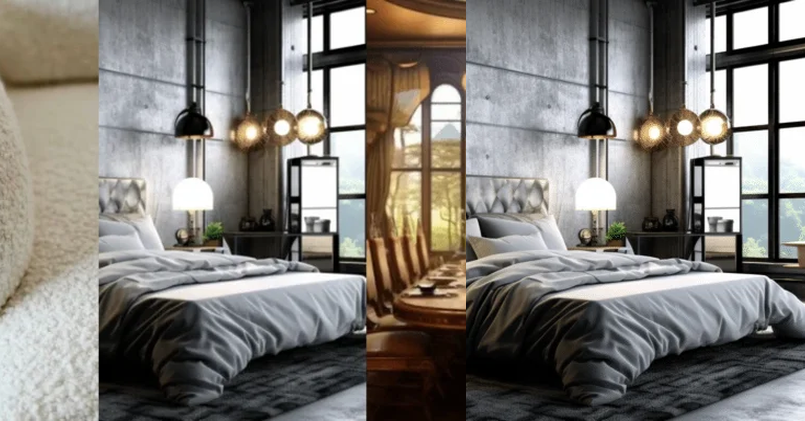
The pins show finished rooms. This article is the rules underneath: placement grids, lighting logic, color families, and why your real rug size matters as much as in-game flooring swaps.
The Grid Is a Circulation Lesson
Stardew interior design runs on a tile grid whether you notice or not. Every piece occupies footprint you cannot walk through. I map my real living room the same way with tape before I buy a sectional.
Doorways and paths need one clear tile line in game. In life that is thirty-six inches minimum between furniture for comfortable pass-through. I failed a layout once because a farm table blocked the fridge path.
Corners are expensive currency. Diagonal placement looks charming in screenshots but eats usable tiles. I keep major pieces square to walls unless I have surplus space.
Outdoor paths taught me that visual lines matter indoors too. A rug aligned to the sofa grid calms a room the way stone paths calm a farm map.
When I apply The Grid Is a Circulation Lesson in my Austin rental, stardew interior design should feel easier to maintain, not harder to explain. I test the change for a full week of normal routines, not a weekend photo session. If bags, mail, or dishes break the calm, the layout still needs editing before I shop again.
Theme Cohesion vs Item Hoarding
The game rewards matching sets with friendship and style points. Stardew interior design nudges you toward cohesive wood tones and era families. Real rooms need the same discipline or they read like a yard sale.
I pick one wood temperature per room in game and at home. Oak farmhouse pieces beside cold gray laminate fights itself even if each item is fine alone.
Accent pieces should repeat a color or material at least twice. One pink chair alone is random; pink chair plus throw plus art is a story.
Storage disguised as furniture beats visible chest spam. I use closed baskets and one display shelf instead of decorating with bins.
When I apply Theme Cohesion vs Item Hoarding in my Austin rental, stardew interior design should feel easier to maintain, not harder to explain. I photograph the room at the same hour for three days so shifting light does not trick me into false confidence about materials or scale.
Lighting and the Night Pass
Walk your farmhouse at night in game. Stardew interior design punishes dark corners with mood penalties. I do a lamp-only walkthrough in my apartment after sunset for the same reason.
Place warm sources where you stand still: bed, desk, couch. Overhead torches everywhere flatten depth just like flat ceiling LEDs in real studios.
Windows matter for day scenes. I orient desks toward light in game and in life to reduce eye strain. South light in Austin is harsh; sheer diffusion helps both pixels and fabric.
Candles and strings are accent, not primary task light. I use them for mood after the functional layer works.
When I apply Lighting and the Night Pass in my Austin rental, stardew interior design should feel easier to maintain, not harder to explain. I walk the path with laundry, groceries, or work gear because stardew interior design has to survive real life, not an empty showroom walkthrough.
Kitchen and Work Zones
Farm kitchens fail when the fridge, stove, and prep counter do not triangle. Stardew interior design mirrors real kitchen work paths even with simplified appliances.
I keep trash and recycling near prep zones in game and in life. One extra step becomes permanent clutter on the wrong counter.
Open shelving in pixel kitchens looks cute until dust logic hits you. I mix closed lowers and limited open uppers at home for the same maintenance realism.
Small appliance footprint is real. Coffee maker plus toaster plus mixer needs counter length measured, not hoped for.
When I apply Kitchen and Work Zones in my Austin rental, stardew interior design should feel easier to maintain, not harder to explain. I ask one honest friend to sit for ten minutes and name the first object they notice. If it is not the focal point I planned, I edit before spending more.
Bedroom Calm and Storage Walls
Bedrooms in Stardew work when the bed centers on a wall with side path clearance. Stardew interior design puts dressers along secondary walls so morning path stays open.
I mirror that with nightstand clearance and dresser opposite bed foot traffic, not blocking closet doors.
Decorative items over functional stacks. One plant, one art, one lamp beats ten small props on dressers you need for clothes.
Rug size under bed should extend beyond sides for visual anchor. Same rule in game flooring swaps and real queen mattresses.
When I apply Bedroom Calm and Storage Walls in my Austin rental, stardew interior design should feel easier to maintain, not harder to explain. I keep a short notes list on my phone: what worked, what annoyed me, what I would repeat. That list beats impulse buys when the room drifts.
What Stays in the Valley
Pixel scale is not human scale. Stardew interior design chairs look tiny beside tables until you test real seat height and table clearance.
Theme bonuses have no lease equivalent. Your landlord does not care if chairs match; your eye still does.
Infinite undo does not exist with delivered sofas. Measure twice, tape paths once, then shop.
For style families beyond farmhouse, browse interior design styles after your grid works. Finish shopping is fun when paths already clear.
When I apply What Stays in the Valley in my Austin rental, stardew interior design should feel easier to maintain, not harder to explain. I test the change for a full week of normal routines, not a weekend photo session. If bags, mail, or dishes break the calm, the layout still needs editing before I shop again.
Community Spaces and Hosting Logic
Farmhouse tables in Stardew interior design teach long table hosting with bench seating. I use a narrow dining table in my apartment to keep circulation behind chairs.
Entry mats and shoe zones in game mirror real mudroom habits. One basket by door beats tracked dirt to rug.
Guest paths should not cross private zones. Separate bathroom access in layout sketches matters in game and shared apartments.
Outdoor farm paths taught me porch seating orientation toward door welcome line. Same psychology applies to apartment entry sightline.
When I apply Community Spaces and Hosting Logic in my Austin rental, stardew interior design should feel easier to maintain, not harder to explain. I photograph the room at the same hour for three days so shifting light does not trick me into false confidence about materials or scale.
Color Flooring Swaps as Zone Markers
Changing floor block under dining table defines zone without walls. Stardew interior design uses cheap visual zoning I copy with rugs in open studios.
Contrast should be readable from doorway. Subtle tone shift fails; intentional border or rug edge wins.
Outdoor to indoor threshold cues help roommates respect zones. Different rug under desk signals work island.
Avoid too many floor materials in one small room. Two zones maximum in studios before visual noise returns.
When I apply Color Flooring Swaps as Zone Markers in my Austin rental, stardew interior design should feel easier to maintain, not harder to explain. I walk the path with laundry, groceries, or work gear because stardew interior design has to survive real life, not an empty showroom walkthrough.
Seasonal Decor Without Full Redesign
Stardew seasonal items rotate without rebuilding walls. I store holiday decor bins like game chest swaps: one box in, one box out.
Limit seasonal props to entry and dining unless bedroom is the goal. Stardew interior design keeps sleep zones calm year round.
Lighting strings for festivals teach temporary accent placement. Remove promptly or habituate to clutter.
Document which seasonal edits increased joy versus stress. Repeat only the joy list.
When I apply Seasonal Decor Without Full Redesign in my Austin rental, stardew interior design should feel easier to maintain, not harder to explain. I ask one honest friend to sit for ten minutes and name the first object they notice. If it is not the focal point I planned, I edit before spending more.
Multiplayer Homes and Shared Taste
Co-op farmhouses need taste negotiation like real roommates. Stardew interior design conflicts mirror whose poster goes on shared wall.
Neutral base furniture plus personal accent zone per person saves relationships.
Shared storage labels in game chests equal labeled bins in entry closet. Mystery piles breed fights.
Start with design basics when shared layout fails before blaming decor taste.
When I apply Multiplayer Homes and Shared Taste in my Austin rental, stardew interior design should feel easier to maintain, not harder to explain. I keep a short notes list on my phone: what worked, what annoyed me, what I would repeat. That list beats impulse buys when the room drifts.
Stardew interior design is a low-stakes lab for circulation, cohesion, and lighting. Play the night check, edit hoarded items, and export the habits to measured real rooms.
Screenshot your best farm room and list three reasons it works. Apply those three rules before you buy another throw pillow. See home decor when you want adjacent ideas.
FAQ
Does Stardew help real decorating?
Yes for layout, zones, and cohesion. No for exact furniture sizes or budgets.
What is the first habit to copy?
Path clearance before decor. If you cannot walk, the room fails.
How many themes per room?
One wood tone family plus one accent color repeated twice minimum.
Best real-world test?
Lamp-only night walkthrough for shadow problems.
Can kids learn from it?
Yes, with screen limits. Grid thinking transfers to small bedrooms.