Sanctuary Interior Design: Calm Without Spa Cliches

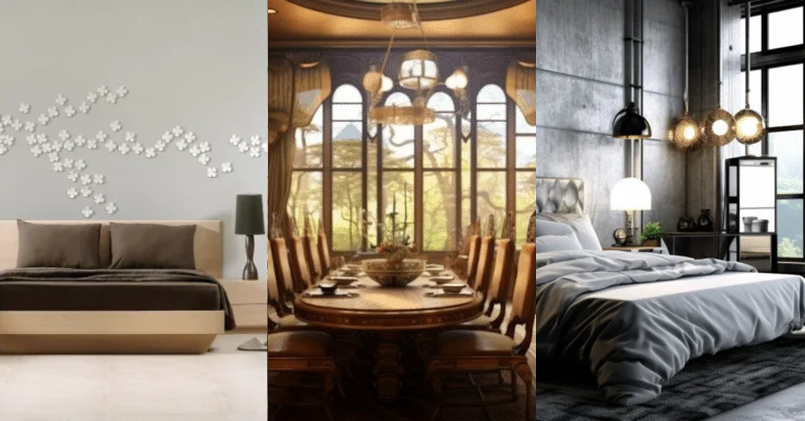
Sanctuary interior design is the room you walk into and your shoulders drop. It is not a bamboo bundle beside a wall fountain mp3 track. Trying the spa cliche kit once: beige everything, lavender candle, generic zen print. It felt like a hotel hallway, not home.
Real sanctuary comes from lower visual noise, predictable materials, and light you can dim. a typical apartment faces a loud street, so sanctuary also means acoustic softening and curtains that actually block glare.
This article is how to build that calm with rental limits: rugs, textiles, lighting layers, and editing rules that survive laundry day.
Reduce Visual Noise Before You Add Calm
Sanctuary interior design begins with subtraction. I remove one decorative object per shelf until the eye finds rest. Open surfaces read louder than people expect.
Cable and paper piles are calm killers. I use a lidded box for mail and a single charging tray so counters stay empty at night.
Color count stays low: two neutrals plus one nature note. More than that and the room buzzes even if each item is pretty.
Close storage beats open cubbies in rest zones. Seeing every book spine is stimulation, not sanctuary.
Texture Over Pattern
Soft sanctuary uses texture shifts instead of busy prints. Linen beside brushed cotton beside matte ceramic reads rich without pattern clash.
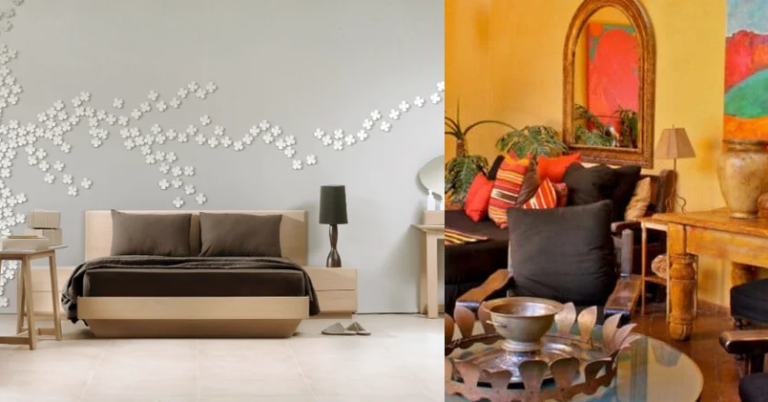
I avoid high-contrast geometric wallpaper in bedrooms meant for sleep. If pattern appears, it stays low contrast and large scale on one wall only.
Rugs add hush. Thick pile or flat weave with wool content absorbs sound and footfall in my hardwood rental.
Metals stay matte and minimal. Shiny chrome nightstands reflect phone screens at 2 a.m. Not restful.
Light You Can Stage Like a Dimmer Plot
Sanctuary interior design needs three light levels: bright for morning reset, medium for evening, low for wind-down. I use dimmers and smart bulbs where allowed.
Warm temperature 2700K to 3000K dominates sleep spaces. Cool task light belongs at a desk only, not ceiling center in bed sightline.
Blackout or layered curtains fix streetlight bleed. I mount tension rods inside rental window frames when drill rights are limited.
Nightlights belong low and amber for bathroom paths, not blue LEDs that reset circadian rhythm.
Sound and Scent With Restraint
Heavy drapes, upholstered headboard, and a rug under bed reduce street noise more than a white noise app alone In practice,.
Plants help psychologically but choose low-maintenance so care stress does not undo calm. One healthy plant beats five struggling ones.
Scent should be subtle and off when sleeping. I diffuse briefly before evening, then air out. Constant strong fragrance is another spa cliche.
Electronics hide in closed furniture or behind a book stack. Visible TV in a sanctuary bedroom fights the purpose unless you truly use it nightly.
Boundaries in Shared Homes
Sanctuary interior design can be one chair corner, not a whole apartment. I defined a reading zone with floor lamp, ottoman, and side table as my no-phone pocket.
Roommates need agreed quiet hours and shared cleanup rules or sanctuary erodes in common areas.
Sliding panels or tall plants can suggest separation in studios without building walls. Visual privacy helps mental privacy.
Shoes and coats at entry prevent bedroom clutter migration. A bench with basket underneath is cheap boundary infrastructure.
Maintaining Calm After the Photo
Weekly reset: remake bed, clear horizontal surfaces, wash scent diffusers, fluff textiles. Sanctuary interior design is maintenance, not a one-time purchase.
I launder throws monthly so they stay fresh, not oily. Softness should smell clean.
Seasonal edits swap heavy textiles without redesigning the whole room. Summer linen, winter wool, same calm palette.
When you want decor ideas that still feel quiet, see home decor with a strict edit filter: one in, one out.
Morning and Night Routines That Protect Calm
Sanctuary interior design needs a five-minute morning reset: bed made, shades adjusted, one surface cleared. I do it before coffee so clutter never becomes background noise.
Night routine mirrors wind-down: dim lights thirty minutes before sleep, phones charge outside bedroom if possible.
Water carafe and glass on nightstand reduce midnight kitchen trips that reactivate brain.
Gentle alarm light instead of phone blast keeps sanctuary mood intact at wake.
Plants, Water, and Living Texture
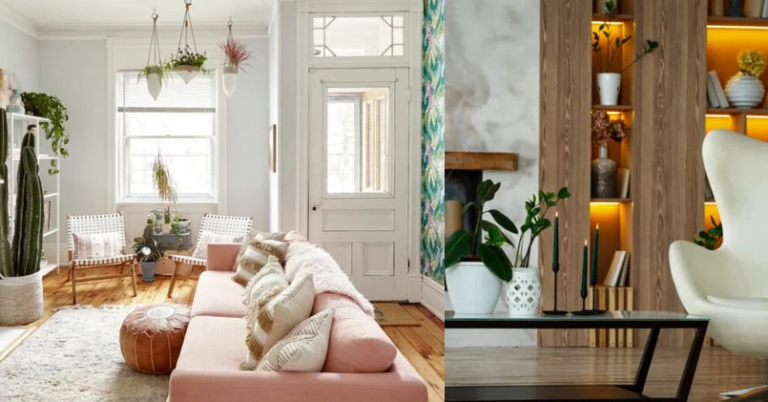
One healthy plant adds living texture without maintenance panic. Sanctuary interior design prefers sculptural leaves over fussy flowers indoors.
Self-watering inserts help travelers keep calm green without daily guilt.
Avoid sharp cactus in sleep path zones. Calm includes soft touch safety.
Dried grasses in simple vase give texture without pollen load for sensitive sleepers.
Acoustic Panels Disguised as Art
Fabric-wrapped panels or thick tapestries on one wall reduce echo in hard apartments. Sanctuary interior design hears calm, not just sees it.
Bookshelves with mixed objects break flutter echo better than empty minimal walls.
Door sweeps and window seals cheaply reduce street hum that keeps nervous system on alert.
White noise only if partner agrees. Forced fan noise is not sanctuary for everyone.
Travel and Sanctuary Portability
Hotel rooms teach what you miss: pillow height, curtain blackout, scent neutrality. Pack a sleep kit that reproduces two cues from home.
Same linen spray on travel pillow links brain to calm association.
Mini dimmer bulb for hotel lamp upgrades awful overhead in one minute.
Review design basics when calm fails because layout is broken, not because you need another candle.
Sanctuary interior design is edited texture, staged light, and honest quiet. Skip spa props, fix noise and glare, and protect one zone daily even if the whole home cannot be perfect. See interior design styles when you want adjacent ideas.
Sit in your calm corner for five minutes tonight with phones in another room. If something pulls your eye, that object probably needs to move.
Making a Sanctuary Room Without Spa Theater
Sanctuary interior design online is full of white towels rolled into pyramids. Trying that once for a photoshoot energy in my bathroom. It lasted until I needed a towel. Then it became laundry with extra steps.
What actually calmed my bedroom was subtractive. I removed the charging station from the nightstand, put the phone across the room, and switched one harsh overhead for a warm lamp I can reach without standing. The room did not get prettier overnight. It got quieter to use.
Texture mattered more than scent machines. A heavier cotton duvet and a rug under bare feet changed how the room felt at 6 a.m. Smell gadgets feel like a hotel. Material contact feels like a home.
Sound is the underrated layer. A soft-close door, felt pads under chairs, and a simple fabric curtain reduced the apartment echo that made me feel rushed. Acoustic calm is design, even when it does not show up on Pinterest.
Shared homes need boundaries written down. If one person treats the sanctuary room as overflow storage, the mood dies. I keep a short agreement with my roommate: no laundry piles on the bed, no work laptop after a set hour. Soft design still needs hard rules.
A Weekday Sanctuary Routine That Fits Real Life
Five minutes at night: clear the nightstand, fold the throw, set tomorrow's clothes outside the room. Morning calm starts the night before.
I keep scent optional. If I use anything, it is one consistent note, not a rotating shelf of oils. Variety looks product testing, not rest.
Screens get a charging shelf outside the sanctuary room when possible. If that is impossible, use a mode that kills notifications after a set hour.
Plants help only if you water them. A crispy fern is visual stress. One healthy plant beats three neglected ones.
Reassess monthly. If the room collects storage overflow, sanctuary is losing to logistics. Move the overflow before you buy another candle.
Sanctuary rooms fail when they become spa kits. If the real problem is darkness, read dark bedroom ideas first and then subtract, do not add bamboo.
Quiet luxury without theater is closer to old money interior design than to a Himalayan salt lamp.
For the rental version, Sophie’s constraint list in home decor is more useful than a new scent diffuser.
What I Stopped Buying for Calm
Decor that requires constant rearranging to look calm is not calm. I stopped buying small objects that only work in styled photos.
Matching spa sets in plastic wrap look temporary. I buy towels I will actually launder on a normal schedule.
If a product needs a paragraph of explanation to feel peaceful, it is probably marketing. Quiet rooms rarely need a pitch.
I keep a donation bag in the closet for sanctuary overflow. When the bag fills, calm was losing to accumulation.
FAQ
Is sanctuary design only for bedrooms?
No, but bedrooms benefit most. Any chair corner can be sanctuary with light and boundary rules.
Do I need beige?
No. Soft green, clay, mushroom, or warm gray work. Avoid high-contrast pattern in rest zones.
Best rental upgrade?
Layered curtains plus rug plus dimmable lamp. Fast impact without renovation.
How do I block noise?
Textiles, rugs, upholstered furniture, and door sweeps before expensive sound panels.
What kills sanctuary fastest?
Visible clutter, cool bright overhead light at night, and constant strong scent.