Ranch Style Interior Design: What the Look Really Needs

The first house Decorating in a rental already had the bones set: single-story, wide hallways, a living room that opened straight onto a covered patio. I didn’t know what to call the style at the time. I just knew it was easy to live in. That’s ranch style interior design in a nutshell: spaces that don’t fight you, that breathe, and that keep you connected to whatever is outside the window.
I’ve since learned that getting ranch style right is less about following rules and more about understanding what it’s reacting against. It’s the opposite of compartmentalized Victorian rooms. Anti-formal, anti-cluttered, and almost allergic to anything that feels precious. Here’s what I’ve actually figured out after decorating that house and two apartments that tried their best to channel the same energy.
What Ranch Style Is Actually Reacting Against
People often describe ranch style as “rustic” or “cozy,” and while that’s not wrong, it misses the point. Ranch homes were built to be easy. Easy to navigate, easy to clean, easy to add people to. The interior design follows the same logic. Understanding this changes how you shop, how you arrange furniture, and which instincts to trust.
The Open Floor Plan Is the Point, Not Just a Feature
Every ranch home I’ve been in has the same thing: you can see from the kitchen to the living room without walking through a door. That’s not an accident. It’s the whole philosophy. Ranch style interiors remove the hierarchy between rooms. The kitchen isn’t hidden; the living room isn’t a shrine no one actually sits in.
When you’re decorating a ranch interior, lean into this. Avoid putting tall furniture that cuts the sightline between spaces. A tall bookshelf placed perpendicular to the main living area immediately starts working against the open-plan logic. I made this mistake with a Billy bookcase in my first a rental city apartment and it took me two months to figure out why the room felt smaller than it actually was.
If you’re not in a ranch-style house, you can still apply the same thinking: skip the room dividers, use low-profile furniture, and resist the urge to “define zones” with bulky pieces. The basics of interior design come back to this constantly. Sightlines matter more than most people realize.
Natural Light Is the Primary Material in This Style
Ranch homes were designed for it. Picture windows, sliding glass doors, clerestory windows above bedroom doors: the entire structure was oriented around getting daylight in. When you’re decorating a ranch interior, treat the windows as an anchor, not an afterthought.
My strongest advice: don’t block them. I see a lot of ranch-inspired rooms with heavy drapes pulled to the sides, layered valances, elaborate curtain hardware. It defeats the whole point. Simple linen sheers in off-white are usually enough. They soften the light without killing it. I’ve used the IKEA LILL sheers at around $8 per panel when budget is tight, and the West Elm linen blend curtains when I want something that hangs better. Both disappear into the room the way good window treatments should.
The Indoor-Outdoor Connection That Actually Makes the Difference
Most decorating guides tell you to match your indoor and outdoor furniture. I’d push back on that. What matters is a consistent material language. If your living room has warm wood tones and jute, a patio with cedar furniture and a sisal outdoor rug will feel like the same space with the door open. That visual continuity matters more than any single furniture purchase.
Color and Materials: The Foundation That Works
Ranch style has a palette, and it’s less flexible than people think. The good news is it’s also extremely forgiving within that palette. Get the base right and almost everything else falls into place.
The Earthy Color Palette That Never Goes Wrong
Start with a warm neutral base: creamy white, warm beige, or light taupe. Not cool gray. Cool gray looks Scandinavian-modern, which is a different thing entirely. Then layer in earth tones: sage green, terracotta, clay, sand. These colors are specific enough to give the room personality but versatile enough that nothing fights.
For accents, pick one: turquoise or burnt orange. Not both. Trying both once in my second a rental city apartment and the living room looked like a Southwest gift shop. A single terracotta throw on a beige sofa does more visual work than three competing accent colors ever will. One accent color is a choice. Two start to feel like a theme. Three is a costume.
Wood and Stone: How Much Is Actually Enough
Natural materials are non-negotiable in ranch style. But here’s where a lot of people get it wrong: they use reclaimed barn wood everywhere, the floor, an accent wall, the coffee table, a floating shelf, and the result starts to feel like a country store rather than a home.
Pick one statement wood element. In a typical house, I put a reclaimed wood accent wall behind the sofa. That’s it. Everything else, the coffee table, the shelves, the side tables, was lighter wood or painted. The contrast made the accent wall actually mean something. If everything is reclaimed barn wood, nothing stands out.
For stone: if you have a fireplace, a stone surround is perfect. If you don’t, a single piece of slate or travertine on a coffee table gives you the texture without any structural commitment. Ranch style borders the hacienda aesthetic in a few places, and both treat stone the same way: as punctuation, not wallpaper.
Layering Textiles Without Making It Cluttered
A ranch room with all hard surfaces, stone floor, wood walls, glass doors, will feel cold and echo-y. Textiles fix this without adding clutter, if you choose them carefully. Linen and cotton for curtains and bedding. Jute or sisal for area rugs. The 8×10 jute rug from Pottery Barn Outlet runs around $180 on sale and looks like it cost twice that. It wears well and the texture fits right for this aesthetic.
Woven throws work better than chunky knits here. Chunky knits feel hygge-Scandinavian; a flat-weave or simple cotton throw feels ranch. One throw per chair. One rug per room. Resist adding a third textile layer “for texture.” That’s usually when things tip from layered to cluttered.
Furniture That belongs in the room
The Sofa Is the Room’s Biggest Commitment
In a ranch interior, the sofa does most of the heavy lifting. It defines the gathering area, sets the tone for how formal or relaxed the space feels, and usually sets the color palette for everything around it. My advice: go low-profile and comfortable. A sofa with short legs and a deep seat works better here than anything with tall wooden feet and tight back cushions.
For budget, the IKEA SÖDERHAMN sectional in a beige or oatmeal fabric cover is genuinely good for this aesthetic. It’s low, wide, and the slipcover washes easily. I’ve recommended it to four people and all four are still using it. Pair it with a natural-fiber area rug and you’ve anchored the room without overspending.
What I’d avoid: anything too tufted, anything with nailhead trim, anything that belongs in a formal sitting room. Ranch style is about a sofa that invites you to stay, not one that holds you at arm’s length.
Open Shelving That Works in Practice, Not Just in Photos
Open shelving works in ranch interiors because it keeps the visual flow uninterrupted. Closed cabinets stop the eye in a way that feels heavy in these wide, open spaces. The catch is that open shelves need to be curated. Not Pinterest-curated with matching labels and $30 olive oil. Just edited. A few dishes, a plant, some actual objects you use.
I have open shelves in my current kitchen and I refresh what’s on them every couple of months. If something hasn’t moved in 60 days, it comes down. Floating wood shelves in walnut or natural pine from Wayfair start around $25 each. They’re not fancy, but they’re the right weight and color for this look. Don’t overspend on the shelves; spend your energy on what goes on them.
Ranch Style Meets the Southwest: Where the Line Is
Ranch style and Southwest design overlap quite a bit. Both came from the American West, both use similar materials and color palettes. But they’re not the same thing. Southwest leans harder into turquoise, pottery, and geometric motifs. Ranch is quieter. If you’re drawn to prairie style interior design, you’re in similar territory: both share a preference for natural materials and a rejection of formality, with different regional influences underneath.
Succulents and Greenery That Fit This Aesthetic
Desert plants make sense in a ranch interior. They match the climate logic, they’re low-maintenance, and their natural shapes add variety without feeling fussy. Group three small succulents on a windowsill rather than scattering single plants across every surface. The grouping looks intentional; the scattering looks accumulated.
For planters: earthy ceramic or woven baskets. Not painted plastic pots, not bright white. The material matters more than the color. HomeGoods usually has something good for under $15. The selection changes constantly but there’s always a fit. If you love the idea of more lush greenery, the farmhouse cottage approach handles plants differently but shares some of the same plant choices, like pothos and ferns.
Accessories: Rustic Without Becoming a Theme
Iron lamps, wood-framed mirrors, ceramic vases in earthy tones: these all work. What doesn’t work is leaning so hard into the “Western ranch” idea that every object becomes a prop. A single horseshoe hung intentionally is a detail. A wall of them is a theme restaurant.
The same rule applies to Southwestern patterns on textiles. One geometric print pillow or a small kilim-style rug is enough. Add more than two patterned items in the same room and the space starts to feel like a set. Restraint is what separates a well-decorated ranch room from an atmosphere that tries too hard.
Room by Room: Where Ranch Style Has the Most Impact
The Living Room Is Where This Style Does Its Best Work
This is the room that benefits most from the ranch approach. Keep the furniture low, arrange it toward the view or fireplace rather than directly at the television, and resist adding too many decorative layers on the wall behind the sofa. One or two framed pieces of art at eye level is enough. A large area rug (8×10 minimum for a standard living room) defines the seating area and pulls everything together.
The thing most ranch living rooms get wrong: a rug that’s too small. If only the front legs of the sofa sit on it, the room looks like it ran out of budget. Go bigger than you think you need. An oversized rug grounds the space in a way nothing else does for the same cost.
The Bedroom: Quieter Than the Rest of the House
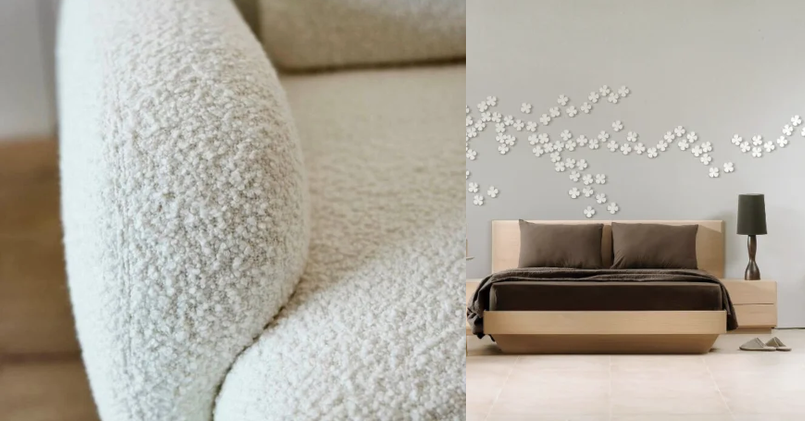
Ranch bedrooms should feel restful. That means fewer textiles than you think, a low headboard, and a color palette that’s even calmer than your living room. Linen bedding in white or warm oatmeal. One throw at the foot of the bed. Skip the tower of decorative pillows. They need to be removed before sleeping and they add a layer of formality that doesn’t belong here.
The one hardware choice that changes the room: the light fixture. A simple pendant or a worn-brass table lamp does more for the ranch bedroom atmosphere than any decorative purchase. Good light in a bedroom is the room. Everything else is secondary.
Kitchen and Dining as One Continuous Space
In a ranch home, the kitchen and dining area are usually the same room, or should feel like it. A wood dining table (oval or rectangular, avoid glass) that looks like it’s actually been used is ideal. Pair it with simple chairs or a bench on one side for a laid-back feel. Don’t overthink the chairs: matching wood or painted wood always works better than mismatched “eclectic” chairs that aren’t quite eclectic enough to be intentional.
Keep the pendant light centered over the table and hung low enough to feel warm at dinner. That’s really the only statement piece the space needs. A bowl of fruit, a small potted herb, or a simple woven runner on the table. Done. Resist the urge to add more.
Frequently Asked Questions
What is ranch style interior design?
Ranch style interior design is a decorating approach rooted in mid-20th century American ranch homes: single-story, open floor plan houses designed for easy, comfortable living. The style emphasizes natural materials like wood and stone, earthy color palettes, plenty of natural light, and a strong connection between indoor and outdoor spaces. It prioritizes comfort and function over formality.
What colors work best in ranch style interiors?
Start with a warm neutral base: creamy white, warm beige, or light taupe. Layer in earth tones like sage green, terracotta, clay, or sand. For accents, choose one bold color, either turquoise or burnt orange, and use it in small doses through pillows, a throw, or a vase. Cool grays look more Scandinavian than ranch, so avoid those.
Can I achieve ranch style in an apartment or rental?
Yes. The key elements of ranch style are mostly about furniture choices and textiles, not architecture. Use low-profile furniture, natural-fiber rugs, linen curtains, and earthy tones. Avoid tall bookshelves or room dividers that block sightlines. Open shelving and grouped plants add the natural material quality without any permanent changes.
What is the difference between ranch style and farmhouse style?
Ranch style focuses on single-story open living, earthy Southwest-influenced palettes, and a strong indoor-outdoor connection. Farmhouse style tends toward white shiplap, black hardware, and a mix of rustic and industrial elements. Ranch is quieter and more understated: less about specific finishes and more about how a space feels to move through.
What flooring works best for ranch style interior design?
Hardwood flooring in warm tones, oak, pine, or walnut, is the most authentic choice. Wide planks work better than narrow strip floors, which feel more formal. If hardwood is not an option, high-quality vinyl plank flooring in a warm wood tone works well. Layer with a jute or sisal area rug in main living areas to add texture and warmth.