Fall Interior Design: What Actually Changes When the Season Shifts

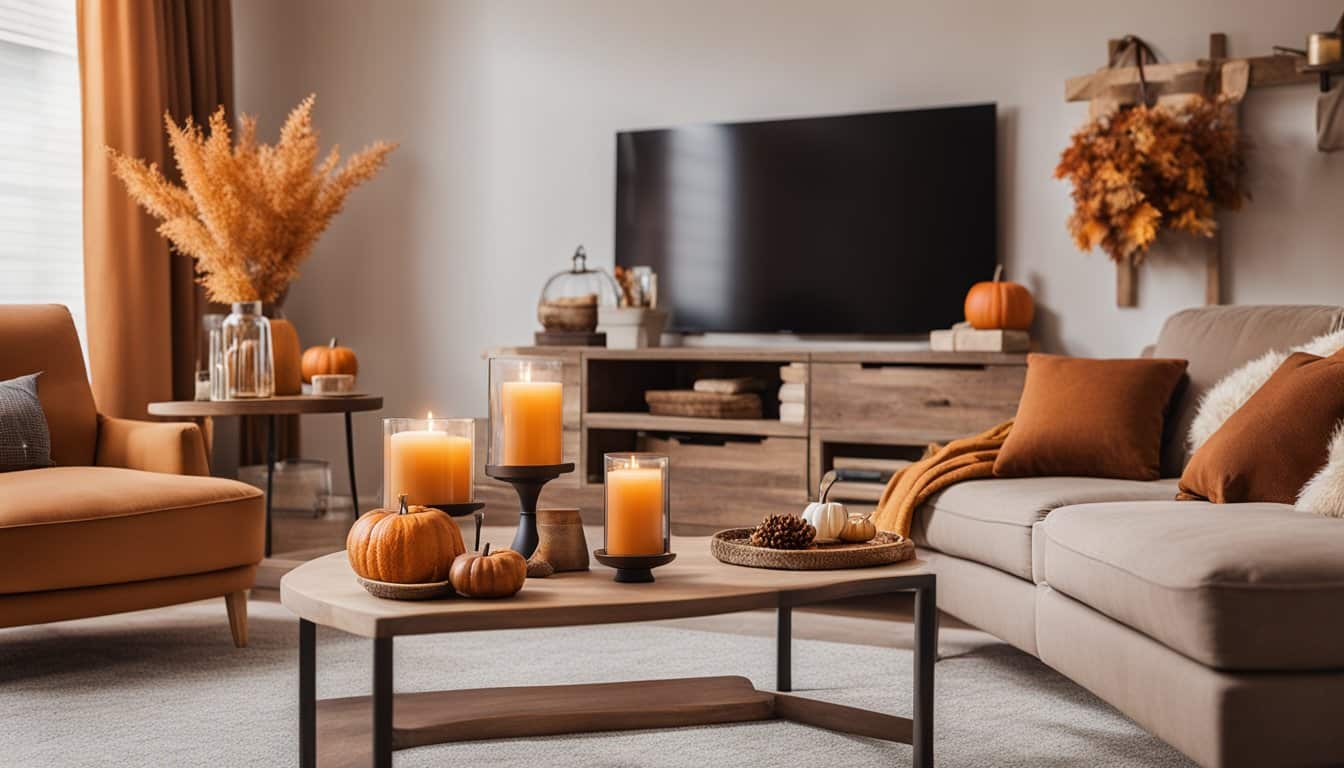
I remember the weekend I decided to “do fall” in my Austin apartment for the first time. I bought a handful of orange throw pillows, put a fake pumpkin on the coffee table, and called it done. It looked like the entrance of a craft store. Not bad, just very obvious. Not the warm, settled-in atmosphere I’d been pinning for months.
What I eventually figured out is that good fall interior design works like a light layer over your existing space, not a seasonal costume you put on in October and take off in November. The goal isn’t a room that announces the season. It’s a room that feels warmer, heavier, and more grounded than it did in July.
Why Fall Interior Design Is More About Feeling Than Color
The instinct to swap everything out for burnt orange and deep red is understandable. Those colors are genuinely beautiful in autumn light. But the rooms that really work for fall aren’t just warm-colored. They’re warm in a different way: heavier textiles, softer lighting, materials that absorb rather than reflect. Color is the most visible change, but it’s rarely the most effective one.

The Fall Palette That Actually Works (and One Color to Reconsider)
The standard fall palette is: burnt orange, terracotta, forest green, mustard yellow, rust, and warm brown. All solid choices. But after decorating four different apartments and one house for fall, I’ve noticed something: the rooms that feel genuinely cozy are built around a neutral base with one or two warm accents, not a fully warm palette across the board.
My current living room has warm white walls, a warm gray sofa, and wood floors. For fall, I add a terracotta throw, swap in a forest green pillow, and put a beeswax candle on the coffee table. That’s the entire change. It looks and feels like autumn without performing it.
The color most people overuse: burnt orange. In small doses, it’s beautiful. In large quantities like curtains, full rugs, or accent walls, it saturates a room fast and can read more festive than sophisticated. If you love it, use it in one spot and let it carry the season from there. I’d also skip ochre yellow unless your rooms get consistent natural light. In the low light of fall afternoons, ochre tends to turn muddy. Warm caramel or soft gold handles that light better.
How to Use Warm Tones Without Dating Your Space

The reason a lot of fall decorating looks dated quickly is the same reason trend-heavy rooms always date: they rely on seasonal objects rather than design principles. A room full of motif-specific items, like leaf-printed pillow covers, the “Gather” wood sign, or the polyester pumpkin arrangement, reads seasonal in a way that will seem tired by November and embarrassing by January.
Warm tones hold up better when they’re material-based rather than motif-based. A dark walnut side table doesn’t announce fall, but it adds visual weight that makes a room feel settled during the colder months. A wool throw in deep burgundy doesn’t have leaves on it, but it looks like autumn. That distinction matters for how a room ages across the season.
Contrary to what most fall decorating guides suggest, you don’t need to buy fall-specific pieces. The most effective thing I ever did was move a rust-colored velvet chair from my bedroom into my living room for October and November. Total cost: zero. The chair wasn’t a fall purchase. It just happened to work better in that room during that season. Worth looking around your own home before buying anything new.
Bringing Nature Indoors Without the Hayride Aesthetic

Natural elements in fall decorating are genuinely worth using. The problem is the accumulation: a mason jar of acorns here, a bundle of wheat there, a basket of gourds on the entryway table, a ceramic leaf dish on the kitchen counter. Individually, each one is fine. Together, they read as a craft fair.
The edit matters more than the addition. Pick one or two natural elements and give them room to exist. My current go-to is a single branch of dried copper beech leaves in a tall stoneware vase on the windowsill. It shifts with the light throughout the day, requires no maintenance, and doesn’t compete with anything else in the room.
Textiles That Actually Change How Warm a Room Feels
Most people approach fall textiles the way I did in my first apartment: buy a set of orange pillow covers, add a blanket, done. What actually works is more specific than that, and the material choice matters more than the color.
Velvet is the single most effective material for making a room feel autumnal because of how it absorbs light. Swapping one sofa pillow cover for solid velvet in a deep tone (plum, forest green, cognac) changes the quality of light in a room in a way that cotton or linen doesn’t. IKEA carries solid velvet pillow covers for around $15-20. The texture does the work; the price point doesn’t have to be high.
For throws, wool is genuinely better than acrylic for fall. Not because it’s warmer, though it is, but because wool drapes differently. It looks heavier, more intentional. H&M Home and Target’s Threshold line both carry chunky merino-style throws in the $40-60 range that look considerably more expensive than they are. Faux fur is fine visually but it flattens and pills within a season of regular use.
The one textile swap I’d skip: heavy seasonal curtains. They’re expensive, they commit your whole room to one direction, and unless you already know the window proportions work for that style, they’re not worth the effort for a few months of fall.
Seasonal Plants That Survive Past the First Week of October
The standard fall plant recommendation is chrysanthemums. They’re everywhere in October, they look beautiful, and in my experience they die in about ten days. I’ve bought them every single fall, and every year I’m annoyed by week two. Buy them a week before a specific gathering. If you’re decorating for the full season, skip them entirely.
What actually lasts: small real pumpkins, which stay intact for six to eight weeks if uncarved; dried botanicals like cotton stems and seed pods; and preserved eucalyptus. I found a bundle of preserved eucalyptus at HomeGoods last fall for $12, and it’s still on my bookshelf looking exactly the same months later. Dried lunaria (money plant) also works beautifully and has a translucent quality that reads differently from the usual dried stems.
Also worth considering: your existing houseplants. Any plant with deep green, burgundy, or copper foliage is naturally fall-appropriate without seasonal repositioning. Pothos, rubber plants, philodendrons, and burgundy ficus all work. Pull them into the living room or dining area for the season and let them contribute to the palette without requiring a purchase.
Room by Room: Where Fall Decor Makes the Most Difference
The most common mistake in fall decorating is spreading effort evenly across the whole house. It’s better to invest heavily in one or two rooms and let the rest absorb the season through small textile swaps. The rooms where fall interior design earns the most return: the living room, the dining room, the kitchen, and the mantel if you have one.
The Living Room: Where Fall Does the Heavy Lifting
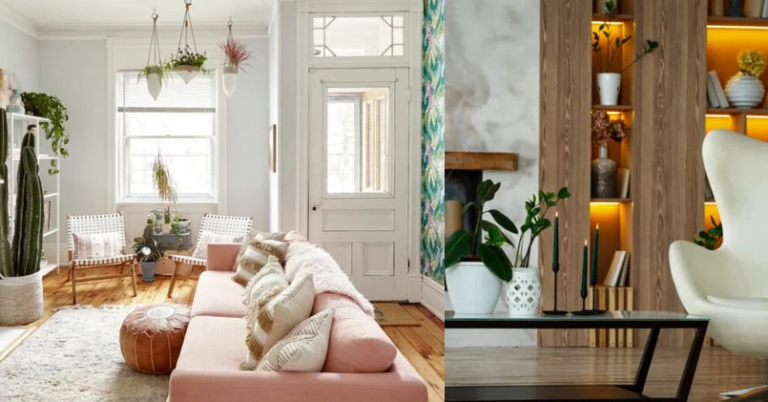
The living room is where fall matters most because it’s where you spend the most time during the colder months. For this room, I focus on three things: one textile swap (throw or pillow cover to something warmer), lower ambient lighting for evenings (add a floor lamp or table lamp, turn off the overhead), and one anchor piece of seasonal color. A pillow, a vase, a plant. That combination changes the feel of a room more than a full seasonal decoration haul.
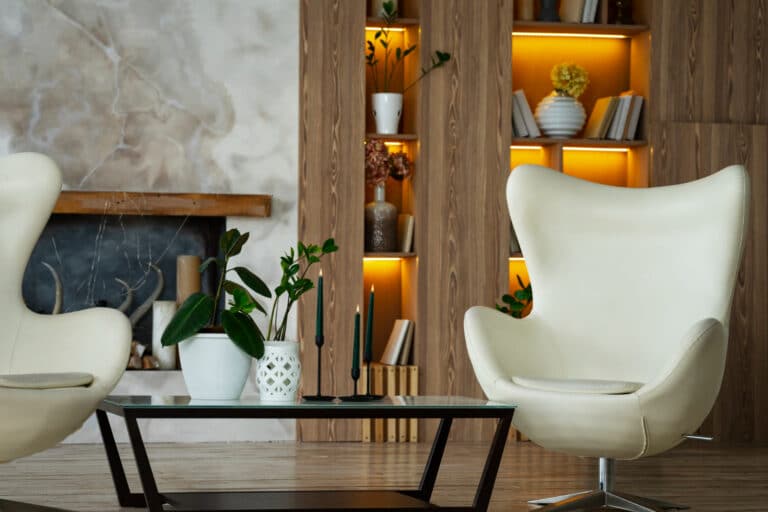
Candles contribute more here than anywhere else. I keep beeswax taper candles in a dark wooden holder on my coffee table from September through November. They cost around $8 for six at Trader Joe’s and have a faint warm scent when burning, not pumpkin spice, just wax. The effect in the evening is worth more than most decorative objects I’ve bought. For more ideas on making a shared living space feel genuinely comfortable, the tips in our guide on how to make a guest room cozy translate directly to living rooms.
The Dining Room: Earthy Tones With Function

The dining room benefits from fall decor more than most people plan for, mostly because fall is when it gets used most. October dinners, Thanksgiving, Sunday lunches when it’s too cold to go anywhere. A table that looks good in October gets used more in October.
The easiest changes: a linen table runner in a warm neutral (oatmeal, deep stone, dusty terracotta), unscented taper candles in dark candlesticks, and whatever seasonal botanicals you’re using elsewhere in the house. I skip coordinated placemats in fall and layer instead: a tablecloth in a warm neutral with a runner on top. It looks more deliberate and is easier to pull off without matching patterns exactly.
If you’re planning a fall gathering, our DIY Thanksgiving decorations guide has table styling ideas that don’t require buying a full seasonal set from scratch.
The Kitchen: Small Changes, Real Seasonal Shift

The kitchen is where I put the least effort and get the most return, because the investment is small and the visual change registers quickly. A bowl of seasonal fruit on the counter (apples, pears, quince if you can find it) does more than most decorative objects. It’s functional, it smells right for the season, and it changes naturally week to week.
Swap any dish towels or oven mitts to a warm-toned version for the season. Target and H&M Home both carry linen-blend kitchen towels in earthy colors for under $10 a pair. A small pot of rosemary or thyme on the windowsill adds green that works for fall without trying to be seasonal. If you have open shelving, pull your earthenware and stoneware to the front. The texture reads warm in a way that white ceramics and glass don’t during the colder months.
The Mantel: Your Most Efficient Fall Design Real Estate

If you have a mantel, it’s the best investment point for fall decorating because it’s at eye level, it’s a contained surface, and it doesn’t require changing anything else in the room. A well-styled mantel signals effort and intention even when the rest of the room is mostly unchanged.
My favorite approach: a tall vase with dried botanicals or a bare branch on one end, two or three candles in varying heights in the center, and a small pumpkin or earthenware pot on the other end. Asymmetry works better than symmetry on a mantel. The key is leaving space between objects. A crowded mantel reads cluttered, and you lose the effect you’re going for. Fewer things, better things, more space.
For a consistently warm feel throughout the colder months, the same layering principles that make dark bedrooms feel genuinely cozy apply to fall living spaces: it’s always about material texture and layered light before seasonal decoration.
Finishing Touches That Actually Matter
Once you’ve addressed the main rooms and the major textile swaps, the finishing layer is about atmosphere rather than objects. This is where most decorating guides tell you to buy more things. In my experience, the things that matter most here cost the least.
Lower your lighting. This sounds obvious but most people don’t do it consistently. Using dimmer switches on overhead lights, or turning off overhead lighting in the evenings in favor of floor lamps and table lamps, changes the feel of a room more dramatically than any color swap. Fall evenings are supposed to feel different from summer evenings. Your lighting should reflect that.
Be selective with scent. Scented candles in fall can read as genuinely cozy or as someone trying too hard. The difference is restraint. A single beeswax candle or cedar-scented candle is enough for one room. More than that, and it starts to feel like a hotel spa rather than a home. If you’re choosing a seasonal scent, cinnamon bark and smoked vetiver tend to hold up better than apple or pumpkin spice, which often smell synthetic in cheaper candles.
And lastly: don’t wait for a perfect room. I’ve spent too many Octobers saying I’d do the fall transition “this weekend” and ending up in mid-November with the same summer arrangement still in place. The best fall interior design is the one that actually happens in October. Two throw swaps and a candle on the coffee table is a real fall room. A planned-but-never-executed redesign is just a Pinterest board.
Frequently Asked Questions
What colors work best for fall interior design?
Earth tones like terracotta, forest green, warm caramel, and deep burgundy are the most versatile fall palette choices. The most effective approach is a neutral base with one or two warm accent colors rather than a fully warm color scheme throughout the room.
What is the easiest way to make a room feel more autumnal?
Swap one textile for a warmer material. A velvet pillow cover or a wool throw changes how light behaves in a room more effectively than adding decorative objects. Add a candle for evening light, and the shift in atmosphere is immediate.
How do I add fall decor without making it look too seasonal?
Focus on material and texture rather than seasonal motifs. A dark wood side table, a velvet cushion in deep green, and a stoneware vase read as fall without announcing it. Avoid leaf-patterned fabrics and specifically fall-branded objects if you want a look that holds up through November.
What fall plants last the longest indoors?
Small uncarved pumpkins last six to eight weeks. Dried botanicals like preserved eucalyptus, cotton stems, and seed pods hold indefinitely. Chrysanthemums, despite being the most common fall plant, typically last only one to two weeks.
Which room should I focus on first for fall interior design?
The living room gives the most return because it is where you spend the most time during fall evenings. Focus on one good textile swap, lower ambient lighting, and a single natural element. The dining room and mantel are secondary priorities if you entertain during the season.