Boho Farmhouse Decor: Pattern Without Clutter

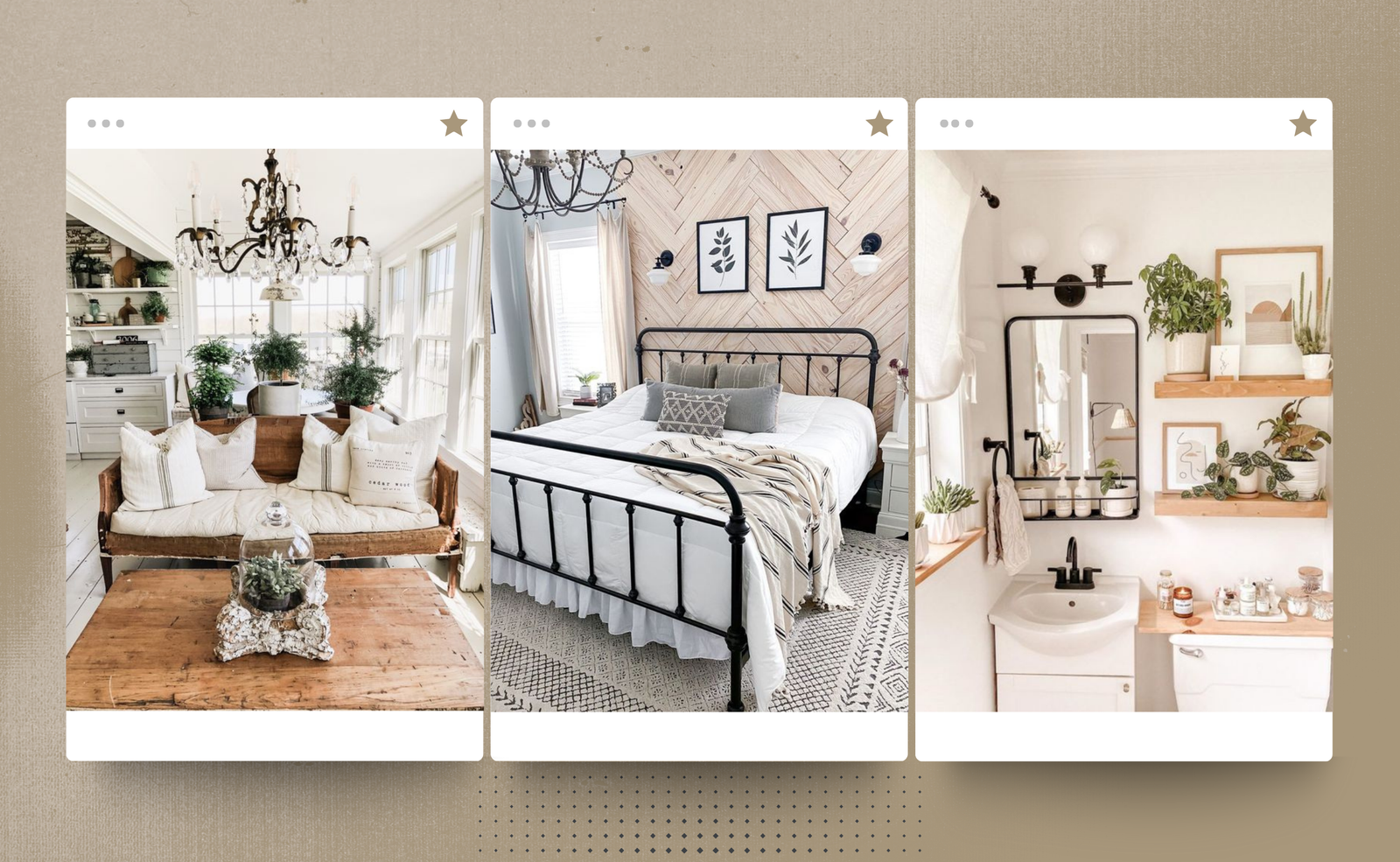
I fell down a boho farmhouse rabbit hole three years ago while redecorating a typical apartment. I’d been saving pins for weeks, and at some point I realized I had two completely different mood boards that somehow both made sense: one full of whitewashed wood and dried flowers, the other packed with macramé and woven baskets and terracotta pots. Turns out, those aren’t two separate aesthetics. They’re the same one.
Boho farmhouse decor is one of those styles that looks easy in photos but can feel hard to pull off at home. The difference between “cozy and layered” and “cluttered and chaotic” is a few specific decisions, and I’ve made enough mistakes to know which ones actually matter.
What Boho Farmhouse Decor Actually Means (and Why It’s Hard to Define)
At its core, this style is about two things working together: the grounded, practical quality of farmhouse design and the free-spirited layering of bohemian style. Farmhouse brings structure, natural wood, neutral colors, functional furniture, simple shapes. Boho brings the personality: pattern, texture, color, objects with stories.
The reason it’s confusing is that both parent styles are broad. “Farmhouse” can mean clean shiplap everything or it can mean a vintage Dutch kitchen. “Boho” can mean Moroccan-inspired maximalism or it can mean a few macramé pieces and a trailing plant. The combination works when you pick a lane within each. Harmony in interior design is what makes this pairing feel intentional rather than accidental.
Most people who struggle with this style make the same mistake: they go too heavy on the boho side. Too many patterns competing, too many colors without a neutral base, too much stuff on every surface. Farmhouse is what keeps the boho in check. If the room starts to feel chaotic, you almost always need more of the farmhouse half, not less of the boho.

The Foundation: Furniture and Natural Materials
Finding Furniture That Looks Collected, Not Purchased All at Once
The best boho farmhouse rooms look like the furniture arrived from different decades and different places. That’s not an accident. You want pieces that look like they have history.
In my current house, I have a reclaimed wood coffee table I found at a salvage shop in South a rental city for $60, paired with a cream linen sofa I found on Facebook Marketplace. Neither piece knows what the other one is, and somehow they work. The rule I’ve landed on: choose furniture that would fit in both a farmhouse kitchen and a Moroccan riad, and you’re probably in a good direction.
For sofas and chairs, think oversized and soft. Linen, cotton, or aged leather. Avoid anything too sleek or contemporary because it breaks the warmth. IKEA’s EKTORP sofa in natural linen is the starting point I recommend most often to people on a budget. It’s not exciting on its own, but it’s exactly the base you need for layering.

Why Reclaimed and Natural Wood Does the Heavy Lifting
Reclaimed wood is not just an aesthetic choice. It sets the emotional tone of the room. The grain, the history, the slight irregularity: these signal that this is a home that values real things over perfect things.
I’ve used natural wood in three different apartments now, mostly in coffee tables and open shelving. The budget alternative that works: raw pine boards, sanded and left unfinished or finished with a thin coat of Rubio Monocoat in a warm tone. It looks like reclaimed wood at about a third of the price, and I’ve had guests ask where I found the “antique” shelf.
Layering Textiles Without Making the Room Feel Messy
This is the part of boho farmhouse style that most tutorials skip over. Everyone says to “layer textiles” but nobody explains what that means when you’re standing in your actual living room trying to figure out if three throw pillows is too many.
Rugs That Ground the Space Without Competing
Start with one anchor rug in a neutral or subdued pattern. Jute, sisal, or a flatweave cotton in cream or tan. This is your base layer. It holds the room down and gives every other element room to breathe.
If you want to layer a second rug (which is very boho), the second one should be smaller, with more personality, placed at an angle over the first. Aztec patterns, vintage kilims, or bold geometric flatweaves work here. The rule: one rug plays neutral, one rug has a moment. They should not both be competing for attention at the same time.
I made the mistake of putting two patterned rugs together in my first apartment. It looked like I was opening a carpet bazaar. One neutral, one statement, and you’re in much better shape.

Pillows, Throws, and the Mix-But-Limit Rule
The number what really matters on a standard sofa: four to five throw pillows, one throw blanket. Beyond that, it starts to look like you’re running a soft furnishings market stall rather than living in your home.
For pillows, vary the texture rather than the color. Woven, knit, printed, embroidered. Keep the palette in a narrow range, maybe two or three colors, even if the textures vary widely. Aztec patterns, mudcloth-inspired prints, and solid linen all work together if they share a color story.
The throw blanket is where you can be a little more expressive. A chunky knit in cream or tan is the safe version. A vintage-looking printed blanket in terracotta or deep olive adds more personality. I have one of each and I rotate them depending on the season.
Plants Are the Easiest Win in This Style
No other single element closes the gap between “farmhouse” and “boho” faster than living plants. They add life, unplanned movement, and that slightly untamed quality that makes a boho space feel genuinely lived-in rather than staged.
The Best Plants for a Boho Farmhouse Space
Snake plants and pothos are the most dependable choices. Easy to care for, they grow in any direction, and they look right in terracotta or woven baskets. I have three snake plants in my living room and two trailing pothos in the kitchen. They’ve been there for two years without much fuss, and they do more visual work than almost anything else in those rooms.
For a bigger statement, the fiddle-leaf fig has been around long enough that it’s no longer trendy, which means it’s now just classic. The large leaves add a tropical element while reading as natural rather than fussy. The monstera in a terracotta pot is the current version of the same idea and works equally well.
For ideas on integrating plants more intentionally into the overall layout, interior plant design covers placement principles that apply directly here, including how to use varying heights and groupings to create a natural focal point.

Containers That Bring Both Styles Together in One Object
This is where farmhouse meets boho in a single purchase: the container. Terracotta pots read as farmhouse. Woven baskets read as boho. Use both and let them coexist without matching.
A practical note from my own experience: plants in light woven baskets tip over more often than you’d think. The fix is to keep the plant in its nursery pot inside the basket, with a small saucer underneath for drainage. Easier to water, easier to move, and no mess when you knock it with the vacuum.
Accents and Accessories: Where the Boho Shows Up Most
Macramé, Wall Hangings, and How Much Is Too Much
I’ll be direct: the macramé thing has gotten out of hand on a lot of boho farmhouse accounts. One large macramé wall hanging is a statement. Three medium pieces on the same wall is a display at a craft fair.
The rule that works for me: one textile wall piece per wall, maximum. It can be macramé, a woven hanging, a gallery of vintage botanical prints, or a statement piece of folk art. Just one. The rest of the wall works through architecture (open shelving, a mirror, a window) or stays clean.
For dried flowers and floral styling, flowers in home decor covers which types hold up best over time and how to arrange them so they add warmth rather than looking neglected. The boho farmhouse space is one of the best environments for dried arrangements because the warm earthy palette sets them off well.

Lighting That Sets the Mood
Natural light first, always. Sheer curtains that let light through without blocking it are the right choice in any boho farmhouse space. I’d trade a $200 statement lamp for better window treatments in most rooms. The quality of light matters more than the fixture.
For artificial lighting, look for fixtures made of natural materials. Woven pendant lights in rattan, bamboo, or rope are widely available now at good price points. I got mine at World Market for around $80 and it’s one of the purchases I’m most pleased with in this apartment. The warm light through the woven pattern creates exactly the kind of glow this style needs in the evening.
Wrought iron and aged brass hardware also fit naturally here. They carry the farmhouse weight while staying warm enough for the boho palette. Avoid anything chrome or stainless: those finishes are too cool and contemporary for this style.

Room-by-Room: Making It Work in Practice
The Boho Farmhouse Bedroom
Start with the bed as the anchor. A wooden or wrought iron bed frame with a warm finish is the right choice. Layer the bedding with a quilt as the base, a blanket at the foot, and then throw pillows in the patterns and textures we covered earlier. The bed should look like it’s been lived in for years, not just made for photos.
Shiplap on one wall (real or painted board and batten) adds the farmhouse element without dominating the room. Keep the rest of the walls minimal so the layered bedding and the plants carry the personality.
For a budget version: paint the bed frame if you already own one. A warm white or soft sage paint makes almost any wooden frame read as intentional boho farmhouse. I did this with a $30 thrift store frame and it became one of the most-asked-about pieces in the room.

The Boho Farmhouse Living Room
The living room is where the mixing is most visible, and where most people either get it right or overdo it. In practice, the principles of modern eclectic interior design apply directly: the goal is a collected look, not a curated showroom where everything arrived in the same delivery.
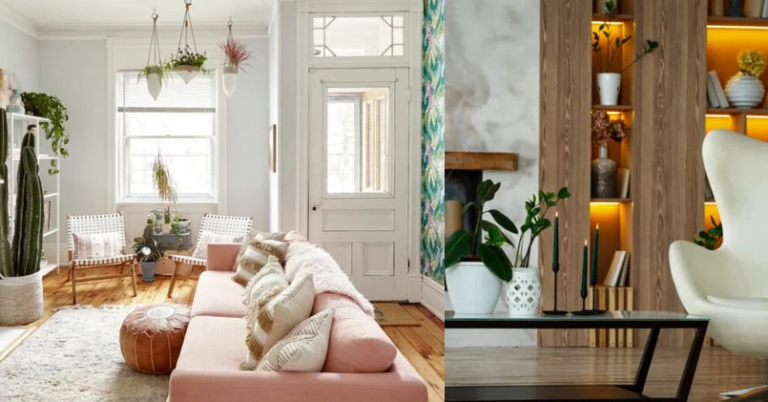
Anchor the room with the sofa and coffee table as a unit. Layer in the rug below. Then bring the personality in through the accessories: plants, wall hangings, ceramics on the open shelving. The furniture is the farmhouse. The accessories are the boho. Keep that division clear and the room holds together.
The biggest mistake I see in this style: buying a boho farmhouse “set” from a single retailer. Everything matches, everything is new, and the room looks like a product photo. This style genuinely needs a mix of old and new, found and purchased, expensive and affordable. Go to thrift stores. Buy one vintage piece per room at minimum. That one piece changes how everything else reads.


Frequently Asked Questions
What is the difference between boho decor and boho farmhouse decor?
Boho farmhouse adds the grounded, neutral base of farmhouse style to classic bohemian layering. Standard boho leans heavily into color and pattern without much of a neutral anchor. The farmhouse half keeps the palette calm and the room from feeling chaotic.
How do I start with boho farmhouse decor on a tight budget?
Start with a neutral base, a cream sofa or slipcover, and a jute rug, then add boho elements gradually. Thrift stores and Facebook Marketplace are the best sources for furniture with character. A few plants in terracotta pots are the cheapest way to bring the boho feel in immediately.
What colors work best in a boho farmhouse room?
Build on a base of white, cream, tan, and warm gray. Layer in earthy tones: terracotta, sage green, rust, and deep ochre. Avoid cool blues or grays as the dominant color, they pull the space away from the warmth this style relies on.
Can you do boho farmhouse style in a small apartment?
Yes, and it actually works well in smaller spaces. Scale down the number of pieces but keep the textures and layering. One good rug, a few strong plants, and a single macramé or wall art piece are enough to establish the style without overcrowding.
Is boho farmhouse style still relevant or going out of fashion?
It has been trending for several years and shows little sign of going away. The core elements, natural materials, layered textiles, and plants, are rooted in real comfort rather than trend cycles. That makes it more durable than most aesthetic-driven styles.