Farmhouse Cottage Decor: Worn Surfaces and Honest Comfort

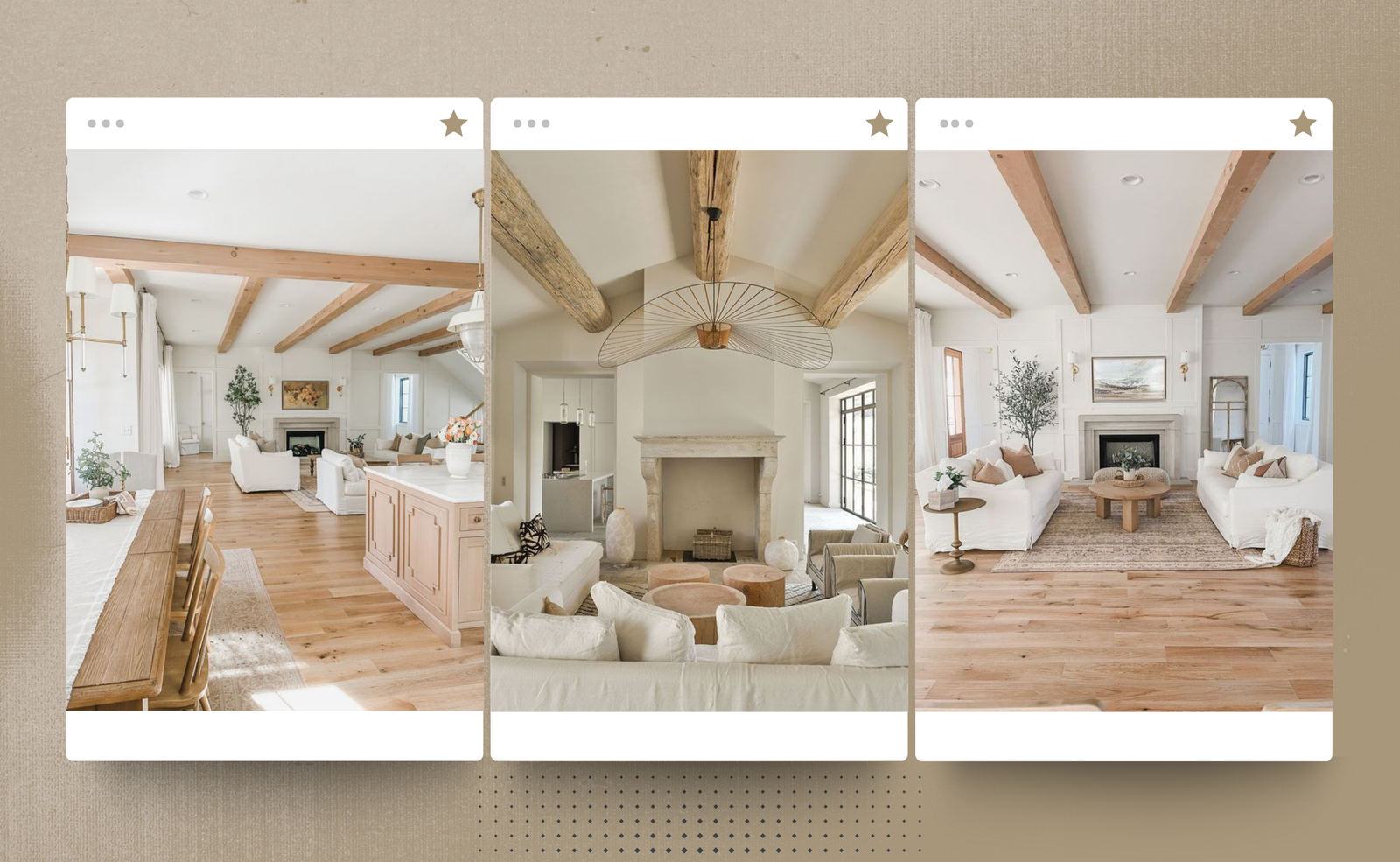
The first time I stumbled onto farmhouse cottage decor, I was three hours into a Pinterest spiral looking for something specific: a living room that felt warm but not cluttered, homey but not “grandma’s house.” The images I kept saving had a particular quality I couldn’t name at first. Worn wood. Loose linen. Spaces that looked like they’d been collected over years, not purchased on a single Saturday afternoon.
What I eventually figured out is that farmhouse cottage is its own hybrid. Not purely farmhouse, which can lean cold and too raw, and not purely cottage, which tips easily into fussy. The combination is where the livable, actually-pleasant-to-be-in version of this style lives.
The Foundation: What Makes Farmhouse Cottage Different
Most people get this style wrong because they treat it like a checklist. Shiplap: check. Galvanized metal: check. Throw blanket on the couch: check. And then it still doesn’t look right. Farmhouse cottage isn’t about specific items. It’s about a feeling of accumulated life. Things should look like they’ve been there a while, even if they haven’t.
The Palette That Does the Heavy Lifting
Start with off-white, not bright white. Bright white reads as modern farmhouse, which is a colder, more minimal look. Off-whites (think the color of old linen or weathered wood) set the right temperature immediately. Warm the palette further with creamy beiges and the occasional faded sage or dusty blue. These aren’t accent colors so much as supporting tones that let the textures do the work.
In practice, the palette is the thing most people underestimate. I spent months trying to layer accessories into a room that had slightly-too-cool undertones, and nothing stuck. The first thing I’d change in any space going this direction: test an off-white paint chip against existing furniture before committing. That one step saves a lot of frustration later.
Materials That Actually Earn Their Keep
Wood should look like it has history. That doesn’t require genuinely old furniture. It means avoiding anything with a high-gloss finish or that looks straight out of a flatpack box. Matte and distressed finishes, visible grain, slightly uneven edges. For textiles, linen and cotton are the right instinct. Synthetic throws don’t drape the same way, and in person you can tell immediately. The budget version of this is IKEA’s linen range, which washes to a lived-in softness that works perfectly for this aesthetic.
Room by Room: Where This Style Really Clicks
The Living Room: Get the Layering Right

The living room is where farmhouse cottage earns its reputation, and also where people overstuff it. The rule I keep returning to: every horizontal surface gets one thing, maybe two. A reclaimed wood coffee table should hold a stack of books and a small pottery piece. That’s it. The instinct to add more is strong, but restraint is what makes the room look intentional rather than accumulated by accident.

The slipcovered sofa is genuinely one of the best pieces for this aesthetic, but only in natural linen, not polyester cotton blends that pill after a season. It wrinkles. That’s part of the look. Pair it with a spindle chair or a woven accent chair, not a matching loveseat. Matching sets flatten the layered-over-time feeling that makes this style work. I’ve had better luck sourcing from different places and different eras: a thrift store armchair with a linen slipcover punches well above its price point here.
The Dining Room: Mismatched on Purpose

Contrary to what you see everywhere, a perfect farmhouse cottage dining room doesn’t require a massive reclaimed table. What it needs is a table that looks like it’s been eaten at. Solid wood with visible grain, a couple of small dings, a surface that reflects the age of the house. The scale matters more than the price. And mismatched chairs are actually better than a matching set: matching chairs look like they came from a showroom floor; mismatched ones look collected. Keep the material consistent (all wood, or all wood with cushioned seats) even if the silhouettes differ.
The Bedroom: Where Farmhouse Cottage Feels Most Natural

The bedroom is where this style clicks most naturally. White linen bedding (look for “natural” or “undyed” rather than bright white) with a wooden headboard is the foundation most people get right. What gets missed is adding depth. The first thing I’d change in any farmhouse cottage bedroom: swap the standard duvet for one with texture: a waffle-weave or matte linen duvet changes the room before you add anything else. Avoid barn doors unless you have the ceiling height; in smaller bedrooms they overwhelm the whole space.

Textures and Layering: The Part Most People Skip
Rugs as a Design Tool, Not an Afterthought

I’ve made the mistake of picking a rug last, after all the furniture was in place, and every single time it was the wrong call. In farmhouse cottage, the rug often sets the temperature of the entire room. A natural jute or sisal rug brings warmth without adding color. Layering a smaller vintage or floral rug on top is a move I first tried after seeing it in a real cottage outside a rental city, and I’ve used it in every room since. The layered look photographs well but it also actually functions better: the top rug defines the seating area while the jute underneath holds the floor.
For sourcing: Ruggable has a farmhouse range that’s machine washable, which matters in a space that’s supposed to feel truly lived in. Layered jute from Target’s Threshold line works well too and costs very little. Going expensive on a rug that needs to look slightly worn is counterproductive anyway.
Wall Decor That belongs in the room

Most wall decor fails in farmhouse cottage because it’s too symmetrical or too finished-looking. A gallery wall with matching frames misses the point entirely. What works: one large statement piece: a piece of macrame, a vintage mirror with chippy paint, a botanical print in a simple wood frame, then one or two smaller pieces nearby, not in a grid. For affordable pieces that look like they belong: thrift store frames repainted in matte white or left in natural wood, paired with botanical or bird illustrations printed from public domain sources. Total cost is under $30 and the result looks like it came together over years rather than in an afternoon.
The Details That Make It Personal
What to Hunt for at Thrift Stores

The pieces that make farmhouse cottage feel real rather than staged are the ones with history. A white ceramic pitcher. An old wooden crate. A glass cloche over something interesting. What makes these work isn’t age; it’s patina. Look for things with uneven surfaces, worn paint, or visible grain rather than smooth, even finishes. Local estate sales outperform Goodwill for this aesthetic because the inventory skews older. The best pieces I own came from a single estate sale in central Texas: a weathered ladder now used as a blanket rack and a set of ironstone pitchers. Both cost under $20 total.
For a version of this aesthetic that incorporates coastal textures alongside the same vintage-hunting instincts, beach farmhouse decor is worth a look: it uses natural rope, whitewashed finishes, and the same approach to layering found objects.
Architectural Touches Without a Contractor

Shiplap is the most associated architectural element with this style, and it works, but it’s not cheap to install properly. The realistic renter-friendly alternative: peel-and-stick shiplap panels have genuinely improved in the last two years, or wainscoting wallpaper on one accent wall. The effect is similar in person and in photos. Exposed brick, on the other hand, is a shortcut I’d skip faking. If you don’t have it, don’t manufacture it. What you can do instead: add depth through linen curtains that pool slightly on the floor, or swap builder-standard light fixtures for something with an aged brass or antique bronze finish. Both changes cost under $150 and shift a room more than any printed brick wallpaper.
Practical Spaces: Not Just Pretty Ones
The Entryway Sets the Tone

The entryway tells people what the rest of the house is going to feel like, so it’s worth getting right even if it’s tiny. For farmhouse cottage, a wooden bench with storage, a row of simple hooks above it, and something living (a small plant, a stem or two of dried flowers) is enough. You don’t need a barn door or a statement console. What actually works in a small entryway: a set of simple black iron hooks instead of decorative ones, a flat-weave rug that’s easy to shake out, and a wall-mounted mirror with a wood or aged metal frame. Total budget for this setup can be under $150, and it sets the right tone before anyone takes a step further inside.
The Kitchen: Where the Style Earns Its Keep

The apron front sink is the iconic farmhouse kitchen move, and if you’re renovating, it’s worth the investment: it changes the character of the kitchen immediately. If you’re not renovating, the same feeling can be approximated with open shelving (replace one upper cabinet row with open shelves, paint them the same off-white as the walls), a wooden cutting board displayed on the counter, and swapping out cabinet hardware for simple antique brass pulls. Those three changes cost under $200 combined and shift the room considerably without touching a single wall.
If your living space has a fireplace, the way you style it can anchor the whole farmhouse cottage look: these modern farmhouse fireplace ideas show what works in a real room. And for where plants and flowers fit into this style, which vessels make sense and which just clutter a surface, flowers in home decor covers what actually earns a place.

Frequently Asked Questions
What is the difference between farmhouse cottage decor and regular farmhouse style?
Farmhouse cottage decor blends the raw, utilitarian side of farmhouse style with the softer, more romantic elements of cottage design. Where straight farmhouse can feel sparse and cold, farmhouse cottage adds warmth through floral patterns, softer color palettes, and collected vintage pieces.
Can I achieve farmhouse cottage decor on a small budget?
Yes. The style actually benefits from budget sourcing. Estate sales, thrift stores, and Facebook Marketplace produce the best pieces for this aesthetic because they carry the patina and wear that makes farmhouse cottage look authentic rather than staged.
What colors work best in a farmhouse cottage space?
Off-whites, warm beiges, and creamy neutrals form the base. Add faded sage, dusty blue, or muted lavender as supporting tones. Avoid bright whites and cool grays, which push the room toward modern farmhouse or Scandinavian rather than cottage warmth.
Is farmhouse cottage decor suitable for apartments or rental spaces?
It works well in rentals because most of the changes are furniture and accessory-based rather than structural. Focus on slipcovers, rugs, textiles, and removable wall treatments. The key pieces (a linen sofa, layered rugs, and vintage accessories) don’t require permanent installation.
What is the best way to start if I am decorating from scratch?
Start with the palette and the main sofa. Get the off-white right on the walls, then find a natural linen sofa or slipcover. Everything else can layer in over time. Rushing the accessories is what makes spaces look like a themed showroom rather than a real home.