Modern Ski Lodge Interior Design: What Works and What Doesnt

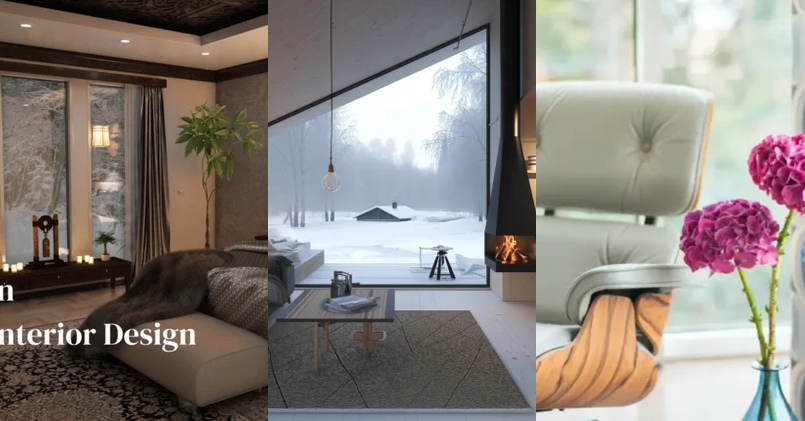
I didn’t know I was interested in ski lodge interiors until my partner and I started planning a week-long trip to a mountain town. We were scrolling through vacation rental listings and I kept stopping on the same type of space: exposed wood beams, stone fireplace, oversized sofas in gray and cream, big windows with nothing blocking the mountain view. After the third or fourth listing, I realized I wasn’t evaluating the rentals anymore. I was studying the rooms.
Since then, I’ve spent more time than I care to admit looking at how this style actually works. What’s structural and what’s cosmetic. What you need to spend money on and what you can work around. Here’s what I’ve found, including a few things I got completely wrong the first time Trying to bring the look into my own home in a rental.
The Elements That Define Modern Ski Lodge Design
Modern ski lodge design is a specific hybrid. It’s not full rustic, and it’s not minimal modern. The defining quality is that it takes materials from the natural environment (wood, stone, raw textures) and pairs them with the restraint of contemporary design. No ornate carvings. No trophy antlers. No dark heavy furniture from 1985. The rustic elements are present but edited.
Exposed Wood and Stone as the Starting Point
If you’re working with a space that actually has exposed wood beams or a stone wall, those are your anchors. Everything else should work around them. The mistake most people make is trying to compete with these features by adding more visual interest when the beams and stone already carry the room. I’ve seen this go wrong in rental properties where the owner added too much: dark curtains, heavy art, complicated rugs. The original features disappeared under all the effort.
If your space doesn’t have these structural elements, you can suggest the same effect with wood-framed mirrors, a stone-look fireplace surround, or a simple wood-paneled accent wall. One wall is enough. The whole point is suggestion, not reproduction. For more context on how mountain spaces handle this balance, the broader approach in mountain home interior design is worth looking at alongside this style.
Large Windows and What to Do With Them
One of the things that surprises me most about ski lodge design is how deliberately it handles natural light. The large windows you see in every lodge image aren’t decorative choices. They’re decisions driven by the fact that mountain winters are dark and people spending extended time inside need all the daylight they can get.
The design implication: window treatments should be minimal or absent. If you need privacy, use sheer panels rather than heavy curtains. Keep the floor in front of the windows clear so the light has space to move across the room. Arrange seating so you face the light source, not away from it. This sounds obvious until you’re standing in a rental property that got it backwards, which I have been, and the difference is significant.
The Color Palette Question
Ski lodge palettes run narrower than most people expect. The base is almost always neutral: white, cream, warm gray, oatmeal. The wood and stone tones carry the warmth. Accent colors, when they appear at all, are deep (navy, forest green, charcoal) and used sparingly. If you start introducing too many colors, the space stops feeling like mountain and becomes something harder to name.
The version I’ve been testing in my own living room in a rental starts with warm white walls and lets the wood furniture and textile colors do the rest. The palette holds together because it’s narrow, not because each piece is perfect.
Getting the Texture Right
This is where most ski lodge interiors succeed or fail. The materials can be correct and the color can be right, but if the texture layering is off, the room feels cold and staged rather than warm and lived-in. Texture is the work you don’t notice when it’s done well and can’t miss when it isn’t.
Why Textiles Matter More Than the Fireplace
Here’s something most design advice gets wrong about ski lodge interiors: the fireplace is not where the warmth comes from. I know that sounds like a strange thing to say about a room that may have an actual fire in it. But the spaces I’ve been in that felt genuinely cozy, the ones that made me want to stay longer than I’d planned, all had something in common. They had a lot of textiles, layered in a way that looked like it accumulated naturally over time. Chunky knit throws draped over every arm. Two or three different pillow textures on the same sofa. A rug that looked deep enough to sink into.
You can recreate this in a room with no fireplace at all. A tall wax candle in a stone holder, a few layers of wool and sherpa and cotton on the sofa, and a sheepskin on the floor will get you most of the way there. Trying this in my spare bedroom and by the third layer I stopped thinking about what was missing. For the affordable version: one good wool throw (Pendleton blankets through REI or Target’s home section run $60 to $100 and hold up for years) plus two or three cheaper sherpa layers underneath to add volume. The volume is the point, not any single piece.
Mixing Wood, Stone, and Metal Without Losing the Room
The three-material combination of wood, stone, and metal is a signature of this style, but the ratio matters more than the presence. Wood should lead. Stone should support. Metal should punctuate. If you flip that and make metal the main material, you end up with something that feels more industrial than mountain. This balance connects to broader principles around visual harmony in interior design, and it’s especially visible here because the contrast between materials is part of what makes the style work.
In practice: wood on the furniture and floors, stone on the fireplace surround or one accent surface, matte black or bronze metal on light fixtures and hardware. The metal shouldn’t be shiny. Brushed or matte finishes fit the style better, and shiny chrome looks like a bathroom, not a mountain retreat.
Furniture That stays convincing to Real Use
A real ski lodge gets heavy use. Wet boots, damp coats, kids arriving from the slopes still in full gear. The furniture choices that look good in a design catalog aren’t always the ones that survive an actual ski season. This is the part nobody addresses honestly.
Seating That Survives the Season
The sofas in most ski lodge photos are upholstered in wool or textured fabric that looks beautiful but would need professional cleaning after one winter. If you’re designing a vacation rental or a second home with heavy traffic, the more practical choice is a performance fabric with a textile look. Sunbrella and similar brands make fabric that looks woven and residential but can be wiped down with a damp cloth. For a sectional in a high-traffic space, that’s the decision that actually pays off over time.
The visual shortcut for making performance fabric look less utilitarian: layer natural texture on top. A real wool throw, a genuine sheepskin rug nearby, wood side tables. The synthetic fabric recedes and the natural materials take over visually. I’ve seen this work well enough that guests never comment on the sofa material but always mention how warm the room feels.
The Mudroom Nobody Plans For Until It’s Too Late
The mudroom is the piece of ski lodge design that almost never shows up in inspiration boards. It’s not photogenic. But it’s the space that determines whether the rest of the house stays nice. A functional ski lodge mudroom needs bench seating at a height that makes boot removal easy, hooks at multiple heights, tile or stone flooring that handles wet and salt, and a drip area under the boot storage with a removable mat.
The budget approach is to carve out a section of the entryway with a storage bench (Target’s Threshold line has solid wood options under $100, and IKEA has a few that work), a row of hooks at two heights, and a stone-look porcelain tile from any home improvement store for a few dollars per square foot. The Scandinavian cabin interior approach handles this storage-meets-design challenge really well and is worth borrowing from directly.
Getting the Ski Lodge Aesthetic Without the Lodge
I live in a rental. There’s no ski resort within four hours. But I’ve been working elements of this style into my own home since that a mountain town trip, and I want to be honest about what actually carries over versus what requires the original architecture.
What Works Without the Architecture
The elements that transfer well regardless of structure: textile layering, the narrow neutral palette, a wood coffee table with real grain, one piece of textile art or a woven wall hanging. That combination will sit comfortably in the ski lodge aesthetic in almost any room. What doesn’t work without the original architecture: ceiling height, exposed beams, floor-to-ceiling windows. You can reference those elements with tall mirrors and warm wood accents, but you can’t fake a vaulted ceiling with creative decorating. Honest answer: pick the elements that work in your actual space and let the rest go.
The one thing I’ve found that punches above its price: a layered rug situation. A jute or sisal base rug underneath a smaller wool piece carries the whole room toward mountain aesthetic without spending much on anything structural. There’s useful overlap here with how modern farmhouse fireplace design handles this same material language, so if you’re working with the texture-and-natural-material approach, looking at both styles together is worth the time.
The One Place Worth Spending More
If I had one place to put real budget, it would be the lighting. A good ceiling fixture in a material that fits the style (wrought iron, matte black, or an antler-adjacent shape that stops short of hunting lodge) makes the whole room feel more considered. You can source budget versions of most ski lodge decor, but cheap pendant lights look cheap in a way that a budget throw doesn’t. Rejuvenation and Arhaus both carry options in the $200 to $400 range for a pendant that fits this style without looking like it came from a generic cabin catalog. That’s not cheap, but it’s the one investment where you notice the difference every day.
Frequently Asked Questions
What makes modern ski lodge interior design different from traditional lodge style?
Modern ski lodge design keeps the natural materials (wood, stone, exposed beams) but removes the heavy, dark, ornate elements of traditional lodge style. Think lower furniture profiles, a neutral palette instead of deep hunter green, and minimal decorative clutter. The rustic elements are present but edited down significantly.
Can I create a ski lodge feel in a room without a fireplace?
Yes. The fireplace is less central to the look than most people think. A layered textile approach with chunky wool throws, sheepskin, and a deep area rug creates most of the warmth. Add candles in stone or wood holders and you get most of the ambiance without the structural requirement.
What colors work best for a modern ski lodge interior?
The base palette is neutral: warm white, cream, oatmeal, and warm gray. Wood and stone tones provide the warmth. Accent colors, when used, are deep and limited: navy, forest green, or charcoal. Avoid cool grays and bright accent colors, which pull the space away from the mountain feeling.
What flooring works best in a ski lodge interior?
Stone tile and wide-plank hardwood are the most authentic choices. For high-traffic areas near entrances, stone tile or porcelain that mimics stone handles moisture and salt damage better than wood. In living areas, wide-plank hardwood or engineered wood with a matte finish fits the style well. Layer with natural fiber rugs to add warmth.
How do I choose the right lighting for a ski lodge style room?
Go with fixtures made from natural-looking materials: wrought iron, matte black, brushed bronze, or wood. Avoid chrome or polished metal. Pendant lights over dining or seating areas work well. Use warm-toned bulbs rather than bright white to keep the room feeling cozy rather than clinical.
Is ski lodge interior design too specific a look for a primary residence?
Not if you edit it down. The core elements (neutral palette, natural textures, wood and stone accents, layered lighting) work in any home. What makes it feel like a rental lodge versus a livable home is usually too many matching cabin-theme accessories. Pick the material principles and apply them to your own furniture and decor.